
Last updated November 15, 2026
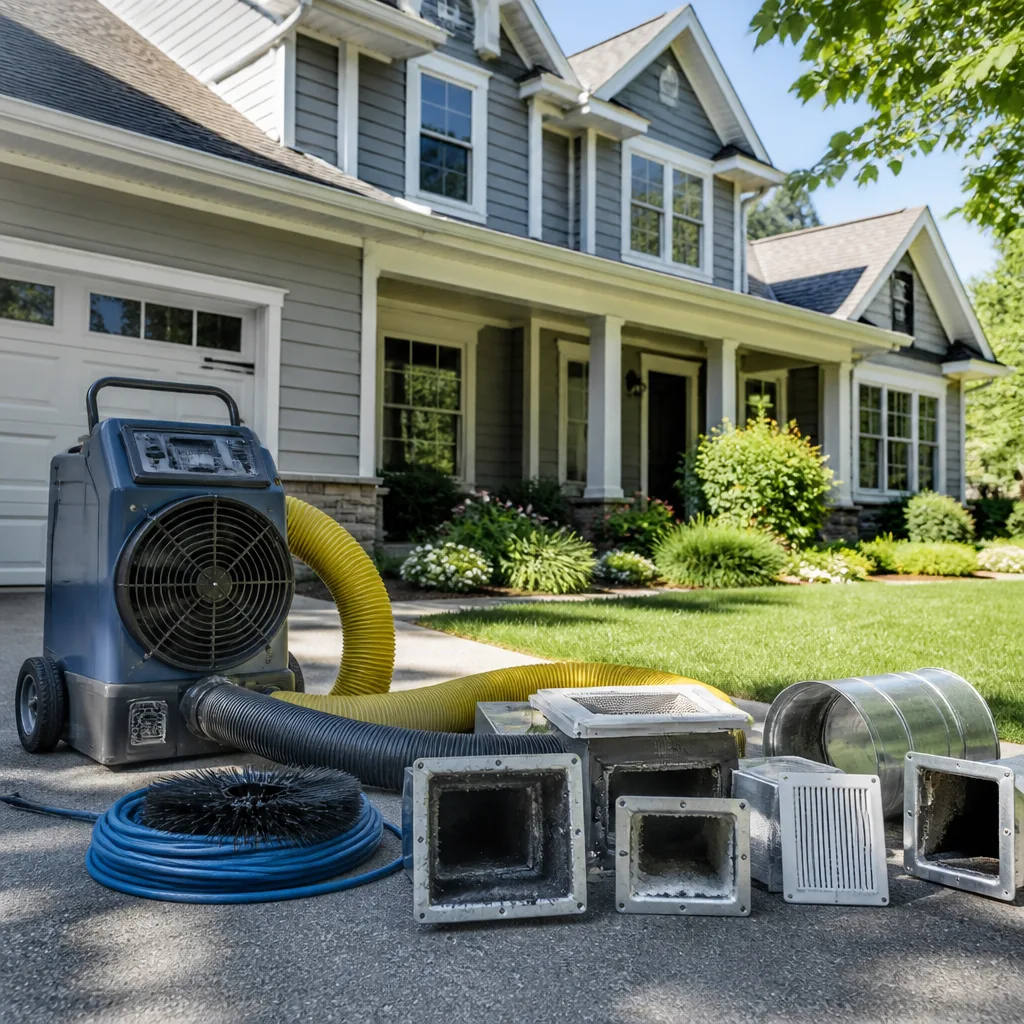 Whole-home duct cleaning
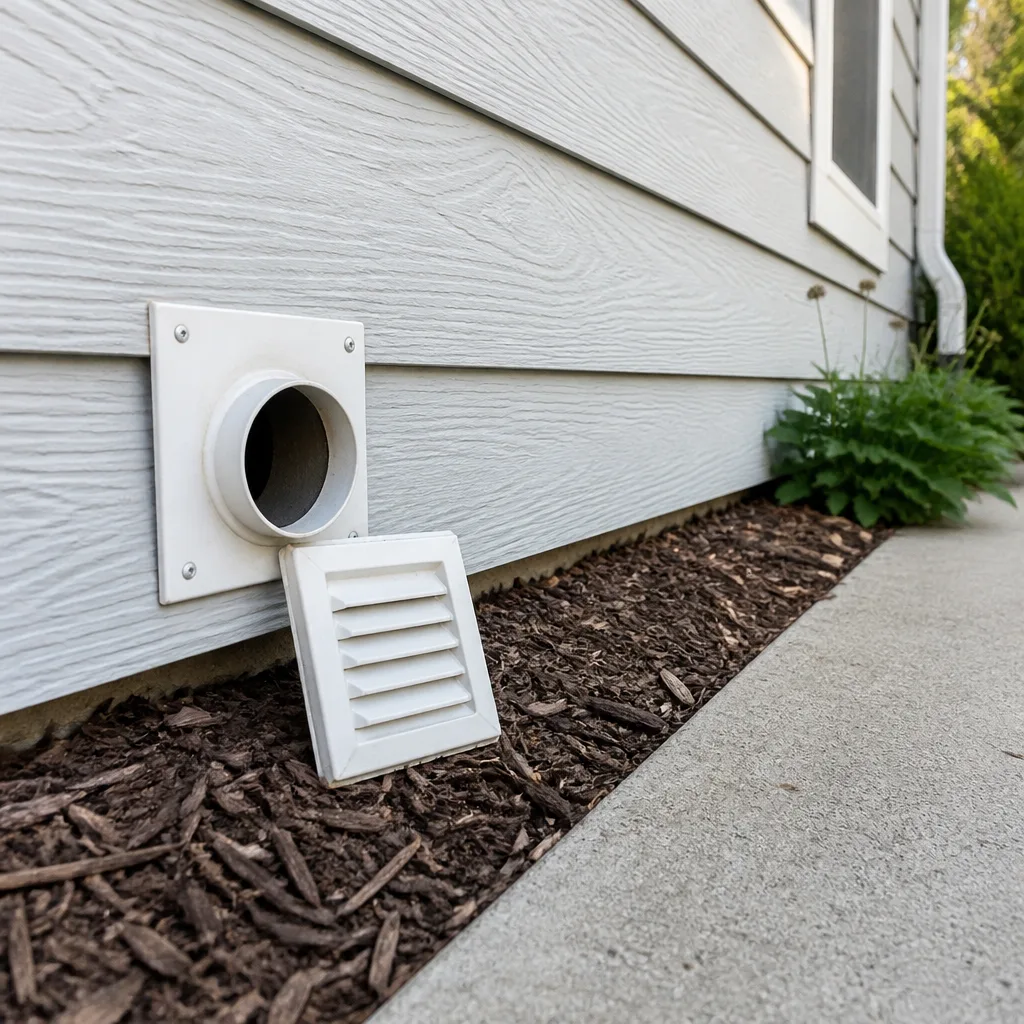 Dryer vent cleaning
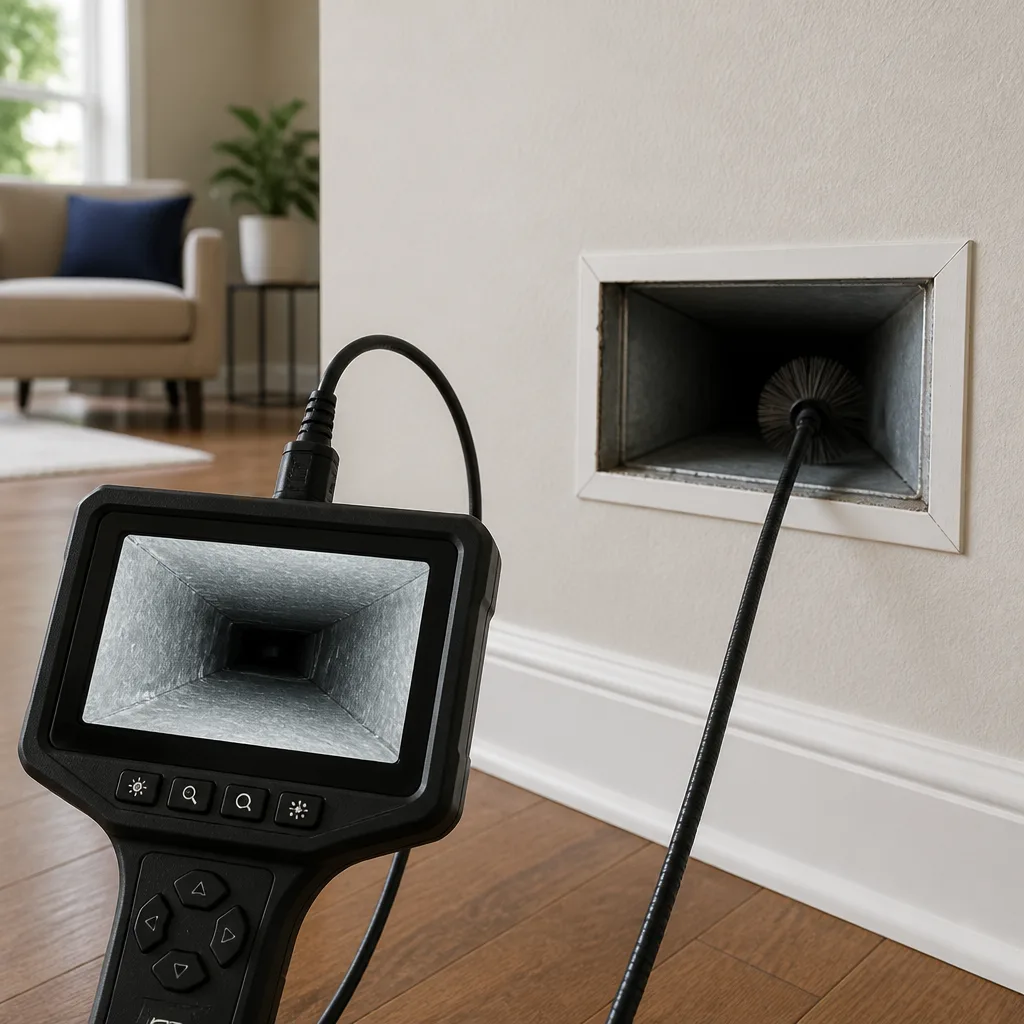 Camera inspection
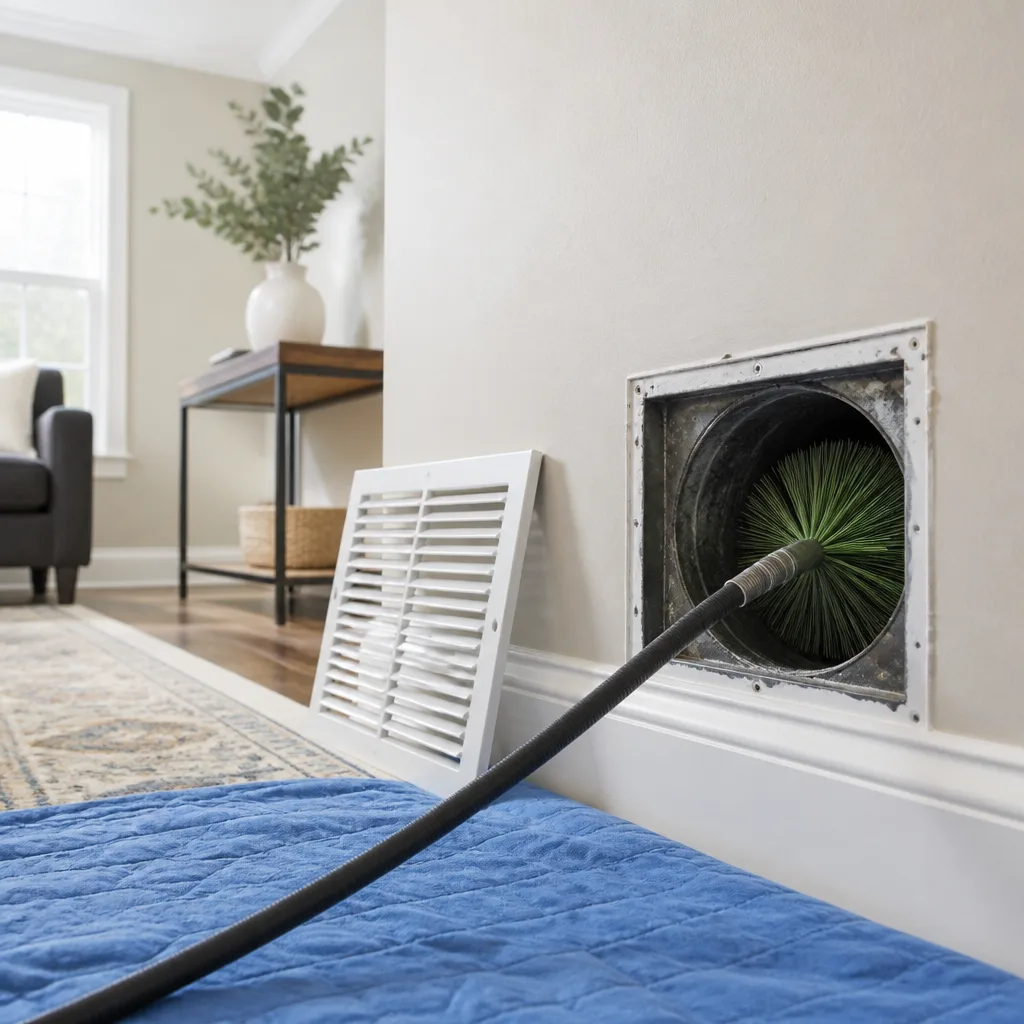 Sanitizing & deodorizing
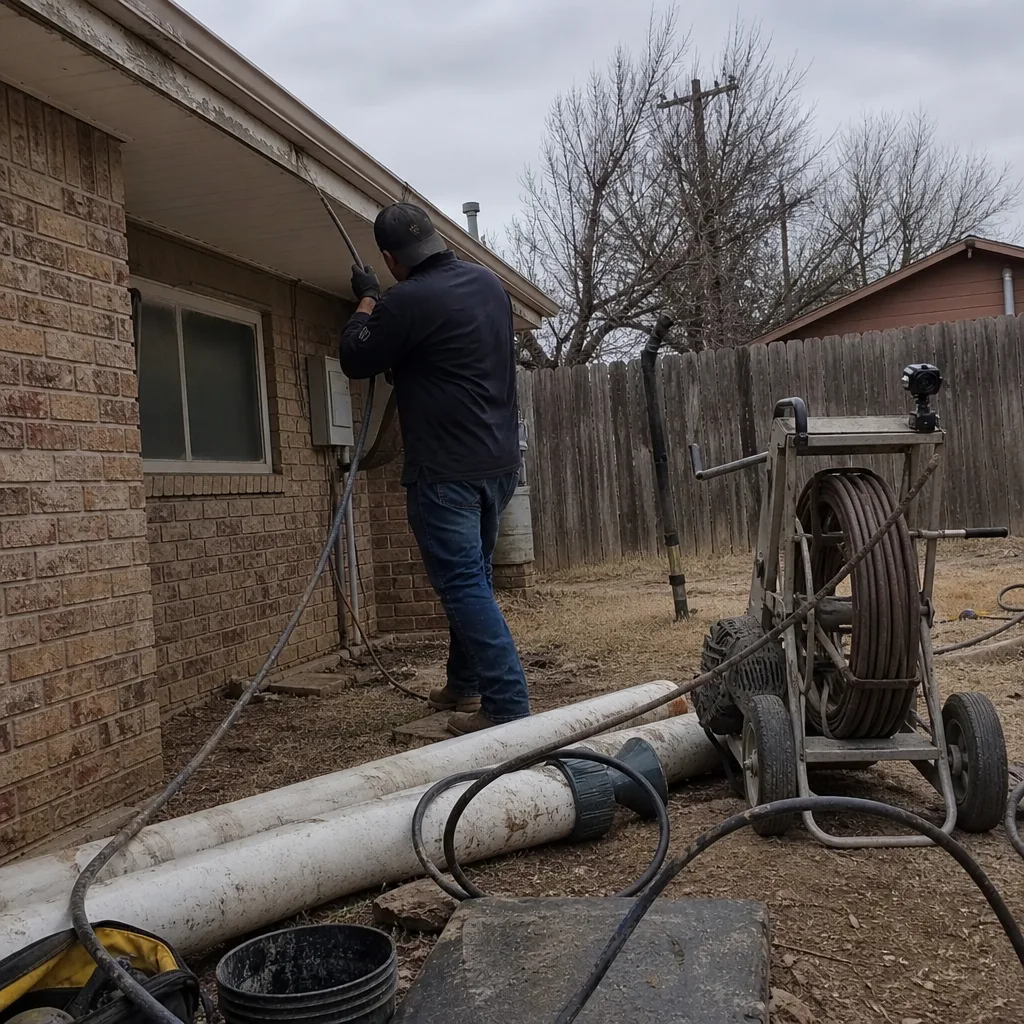
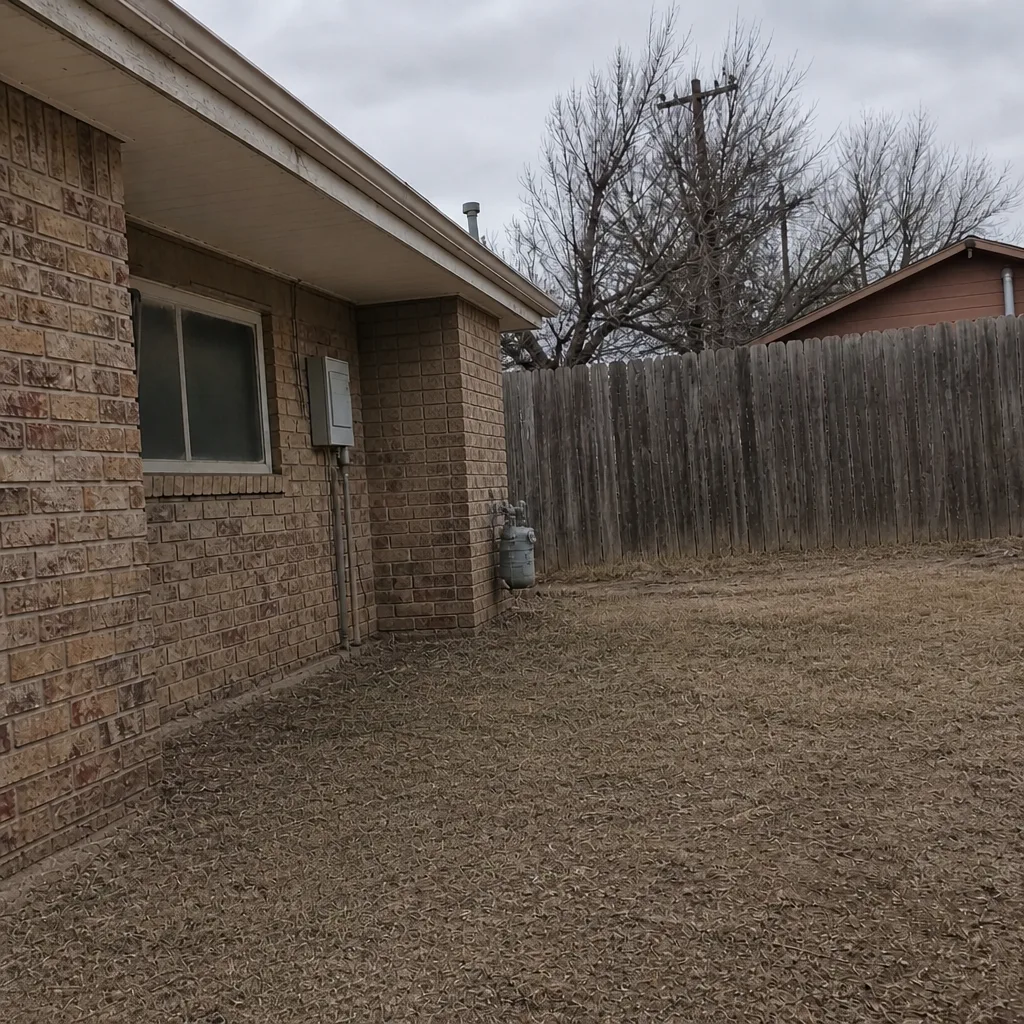
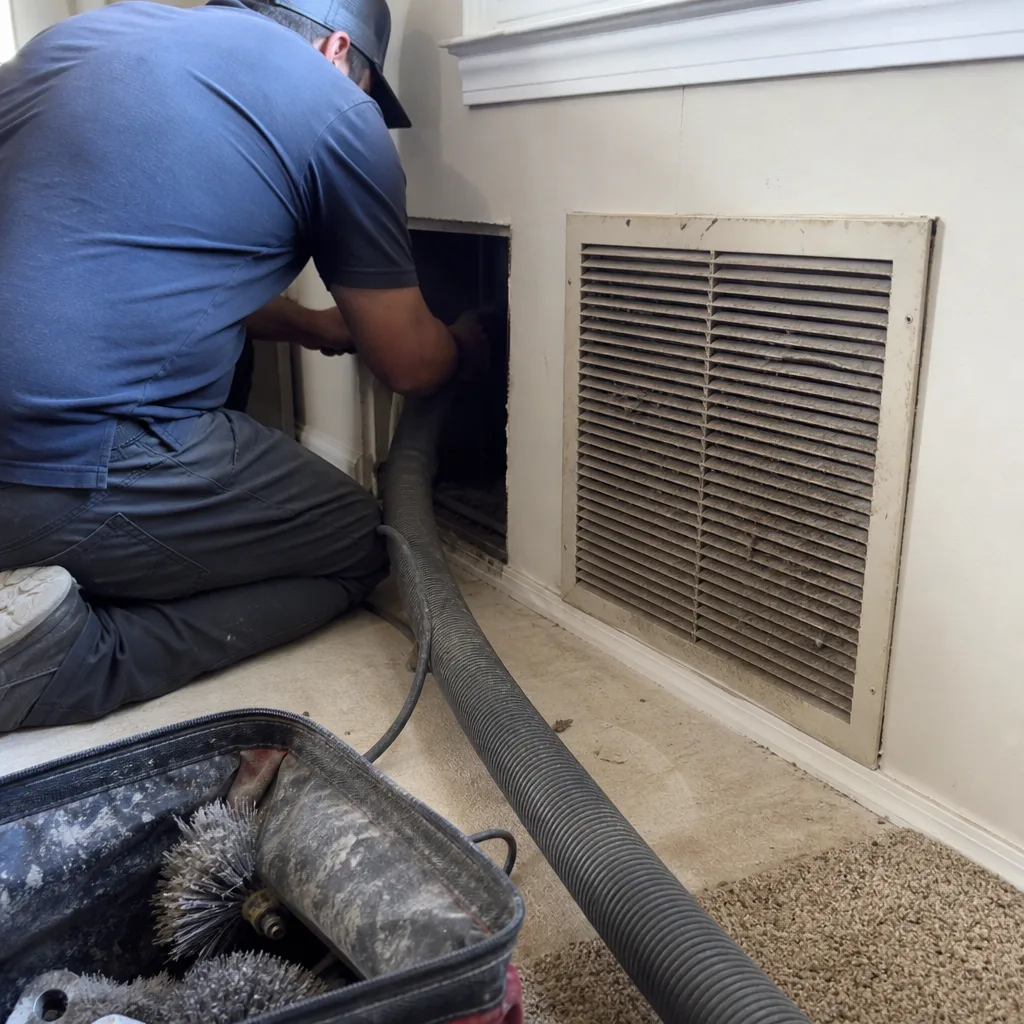
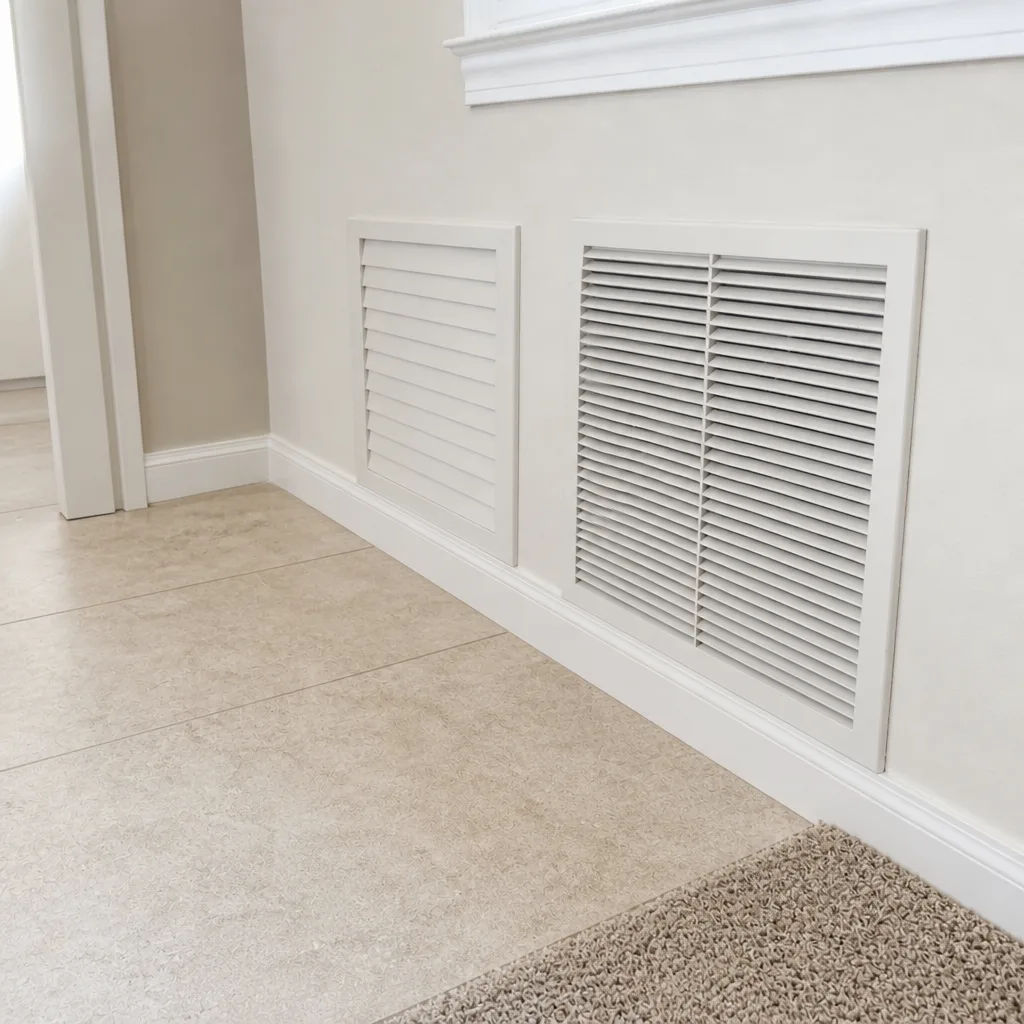
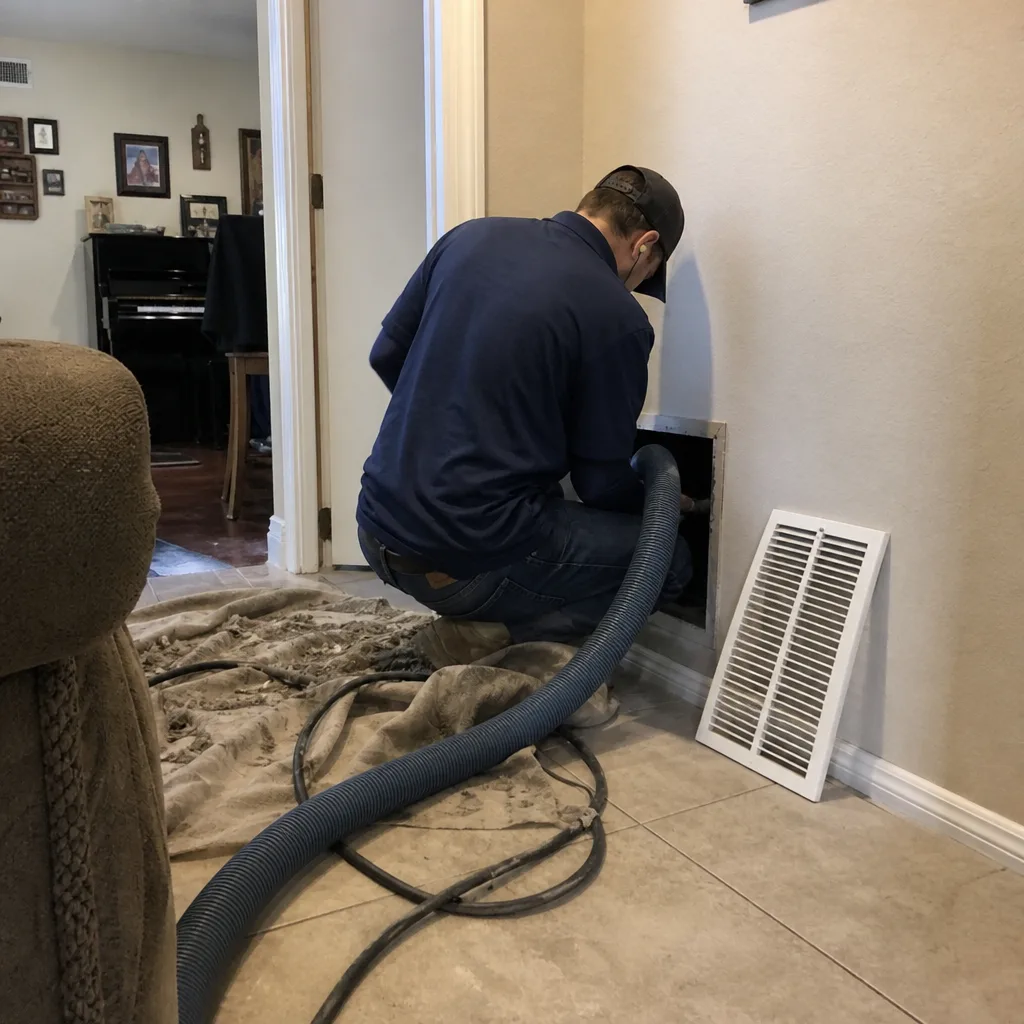
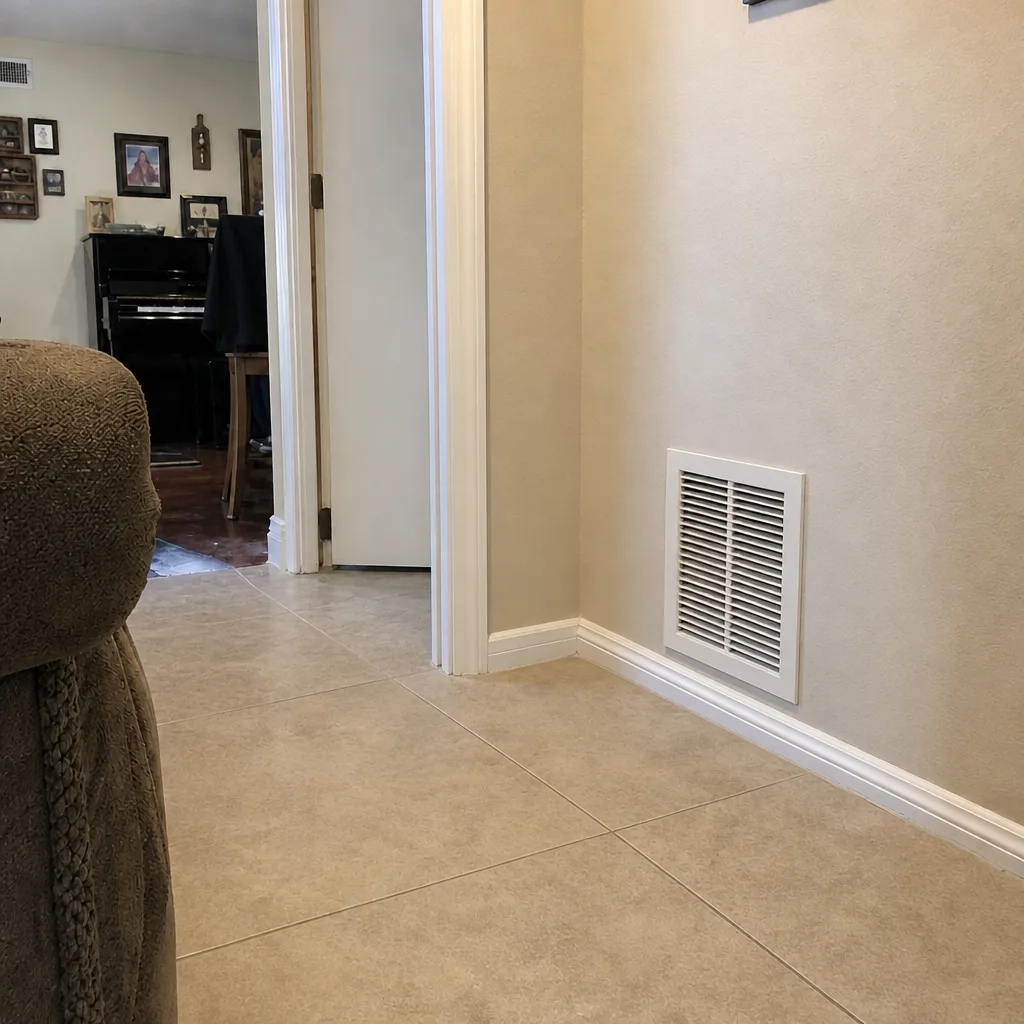
Whole-system duct and dryer vent check with before-and-after photos - you see exactly what came out of your vents
That "$99 whole-house special" is a bait ad - the real number appears once they are in your hallway, or the "clean" is a shop-vac at the register. We photograph the inside of your ducts before and after instead.
Choosing the Right Air Duct Cleaning Brand: A Buyer’s Guide for Amarillo
“Professional-grade equipment” is one of the most repeated phrases in this trade, and one of the least examined. It can describe a portable rotary-brush unit that costs a few thousand dollars, or a truck-mounted vacuum system running tens of thousands. The gap in what those two machines can actually pull out of a duct run twenty feet from the main trunk isn’t marginal. It’s the whole job. This guide is written to give you something better than faith when a contractor makes that claim in your driveway. You’ll learn what the major equipment brands actually do, how to test a contractor’s setup in about ten seconds, and why the technician’s process matters as much as the machine. We’ll keep the focus on Amarillo homes, where flex duct is common and dust seasons are real.
Quick Answer
The right air duct cleaning brand for your Amarillo home is one that can prove its equipment and its process before work starts: a contractor who can demonstrate real negative pressure at the collection point, name the specific systems they run, and explain what happens to debris inside flex duct. Brand names like Rotobrush, Nikro, and Abatement Technologies mean something only when they’re attached to a genuine capability. Ask what the machine does, how it’s maintained, and how the tech verifies the result. If those answers come easily and specifically, you’re dealing with a real duct specialist rather than a coupon operator.
Styles & brands we work with
- Whole-home duct cleaning
- Dryer vent cleaning
- Camera inspection
- Sanitizing & deodorizing
Table of Contents
- What “Professional Equipment” Actually Means
- Rotobrush: Negative Pressure at the Cleaning Head
- Nikro: When a Portable System Is Built Right
- Abatement Technologies: Containment and Air Scrubbing
- The Ten-Second Static Pressure Test
- Why the Technician’s Process Determines the Outcome
- What Amarillo Homes Demand From a Duct Contractor
- How to Read Pricing Without Getting Burned
- Common Mistakes to Avoid
- When to Call a Professional
- Frequently Asked Questions
What “Professional Equipment” Actually Means
Air duct cleaning equipment falls into three broad tiers. Understanding them is the first step in evaluating any quote, whether you’re in Amarillo or anywhere else in the Texas Panhandle.
- Consumer and shop-vac setups. A wet/dry vacuum with a hose attachment. These move nowhere near enough air volume to suspend and capture debris from a duct run. Useful for surface dust; useless for the inside of flex duct.
- Portable professional systems. Rotary-brush units and high-CFM vacuums built for the trade. Rotobrush and Nikro both live in this tier. When maintained and used correctly, these can do legitimate work in residential duct systems.
- Truck-mounted and HEPA-equipped systems. Higher airflow, larger collection, and the ability to contain particulate matter for advanced contamination scenarios. Abatement Technologies equipment sits in this category for containment and air scrubbing work.
A contractor claiming “professional-grade equipment” could mean any of these three. Asking which one is not pedantic. A portable unit that’s been run past its service life can no longer sustain its rated CFM, and a tech who doesn’t know that number is a tech who can’t tell you whether the machine is actually working. When we say we use Rotobrush and Nikro, we mean maintained portable systems used within their rated capacity. When we bring Abatement Technologies equipment, we mean HEPA-rated particulate control for jobs that need it.
That distinction matters more in Amarillo than in some markets because so much of the housing stock runs on flexible duct. Flex duct has ridges, turns, and long runs that trap debris in ways rigid metal ducting doesn’t. An underpowered machine doesn’t just clean poorly; it can redistribute dust into the flex corrugations rather than remove it. The equipment tier is the difference between cleaner air and the illusion of it.
Rotobrush: Negative Pressure at the Cleaning Head
Rotobrush is a rotary-brush system with a built-in vacuum, and its design detail worth understanding is where the negative pressure sits. On a truck-mounted setup, the vacuum pulls from a distant collection point, usually outside the home, and the entire duct run between the cleaning head and the truck is under negative pressure. On Rotobrush, the vacuum sits at the cleaning head itself, which means debris is captured at the point of agitation rather than being carried through the run to a collection point far away.
For flex duct systems, this design has real advantages:
- Shorter debris travel. Dust and material lifted by the brush are captured close to where they were dislodged, reducing the risk of recontamination further along the run.
- Better control in tight spaces. Flex duct often snakes through joists and soffits where a long vacuum hose can’t reach cleanly. A head-mounted capture system does better work when access is limited.
- Visible verification. Because the capture point is at the head, a technician can check the collection chamber to see what was actually removed. That’s a piece of evidence a distant collection point can’t provide.
Rotobrush is not a truck-mounted system. It doesn’t claim to be. What it claims is controlled cleaning in residential duct runs, and in Amarillo homes with flex duct and moderate airflow, that control matters more than raw airflow. A technician using a Rotobrush who understands its rated capability, maintains the brush assemblies, and runs multiple agitation passes per duct section can deliver a genuinely clean system. A technician who runs one quick pass and calls it done can’t, regardless of the brand on the machine.
Nikro: When a Portable System Is Built Right
Nikro is a manufacturer of industrial and contractor-grade vacuum and filtration equipment. Its duct cleaning units sit in the legitimate portable tier: high CFM for their size, built for daily contractor use, and rated for the dust loads a real cleaning generates. That “rated for daily contractor use” phrase is doing a lot of work. A Nikro unit that has been serviced, has clean filters, and operates within its design parameters is a genuinely different machine from a Nikro-logo’d unit that has been run hard for years without filter changes.
Here’s the question to ask: “What CFM is this machine rated at, and when was it last serviced?” A contractor who can answer both is running a professional operation. A contractor who can’t has a machine with a brand on it and no reliable performance behind the claim.
Nikro’s role in a residential cleaning job is straightforward and important. It provides the sustained, high-volume suction that lets a technician pull loose particulate out of a duct run without the vacuum bogging down under load. That’s the boring, essential work of duct cleaning. It’s also where under-maintained equipment fails first, which is why “we use Nikro” without a service history is a weaker claim than you might think.
Because the tool matters but the technician matters more, we ask our techs to verify airflow at the collection point before they start, not just trust that the machine was working the last time. Our technicians have up to 9 years of experience, and the ones who’ve done the most duct work tend to be the most obsessive about filter condition. It’s not glamorous. It’s what makes the difference.
Abatement Technologies: Containment and Air Scrubbing
Most duct cleaning jobs don’t need HEPA-rated containment. Standard dust removal with a well-maintained Rotobrush or Nikro system handles the typical Amarillo home. But some jobs do, and knowing which is which is part of evaluating a contractor’s equipment honestly.
Abatement Technologies equipment becomes necessary when particulate control goes beyond basic dust removal. The three scenarios that most often trigger it:
- Renovation debris. Drywall dust, sawdust, insulation fibers. These materials don’t just sit in the ducts; they can be drawn into the HVAC system and distributed during normal operation. HEPA containment keeps them from becoming airborne during the cleaning itself.
- Smoke residue. After even a small fire, soot particles migrate through the system and lodge in duct surfaces. Standard vacuum systems can agitate soot without capturing it fully, which is why HEPA-rated air scrubbing matters for these jobs.
- Suspected microbial growth. When a contractor encounters growth inside ductwork, containment and air scrubbing keep spores from spreading during the work. Note: this is containment during cleaning, not remediation. If growth is confirmed, that’s a different scope and a licensed mold remediation professional, not a duct cleaner.
The Abatement Technologies name is a signal that a contractor has planned for these scenarios rather than just the routine dust job. It’s not a claim that every job needs it. It’s a claim that when a job does, the contractor isn’t scrambling to rent equipment on the day of. Duct specialists who invest in this tier of equipment tend to be the ones who take contamination scenarios seriously.
If a contractor tells you they “always” use HEPA equipment on every job, ask why. Sometimes it’s a real capability statement. Sometimes it’s marketing language applied to a machine that isn’t HEPA-rated. The Abatement Technologies name means something specific; verify that’s what’s actually being used.
The Ten-Second Static Pressure Test
This is the single most useful thing you’ll take away from this guide. Before work starts, ask the technician to demonstrate static pressure at the collection point. It takes about ten seconds and will tell you, honestly, whether the machine in your driveway is doing what the salesperson says it does.
Here’s how to frame the request:
- Ask for a pressure reading before the machine starts. A legitimate contractor will have a gauge or manometer on hand or can explain how they measure the suction.
- Watch the gauge during operation. A machine working correctly will hold a stable negative pressure reading. A machine that struggles will drop the reading as soon as it hits real duct resistance.
- Ask whether the reading changes when the brush is engaged. A well-maintained system holds up under load. A tired system’s reading collapses.
- Ask for the target range. A tech who knows the machine should know what reading indicates normal operation for the specific run.
A contractor who brushes past this request with “the equipment is fine” is telling you something. A contractor who reaches for the gauge without hesitation is telling you something else. Neither answer confirms or denies competence on its own, but the willingness to demonstrate is a real signal.
This test doesn’t just separate legitimate equipment from underpowered substitutes. It also filters out contractors who don’t know their own tools. Someone who has used a Nikro system for years should be able to talk about its rated CFM and normal operating pressure without checking notes. If they can’t, the equipment brand on the truck is doing more work than the technician is.
You don’t need to own a manometer to ask the question. You just need to ask it and watch how it’s answered. When we visit a home, this is part of what we do before we start cleaning, because it tells us what the machine is actually doing in your specific system, not just what the spec sheet says it can do in ideal conditions.
Why the Technician’s Process Determines the Outcome
Great equipment in the wrong hands still produces a mediocre job. The technician’s process is where brand claims get tested. Here’s what a real duct cleaning process looks like, and what to look for when you’re evaluating a contractor.
Access point placement. A duct system has to be opened at enough points to actually reach every run. A contractor who only opens the main trunk and runs a hose upstream isn’t cleaning the branch ducts at all. Ask how many access points a typical home needs and whether their quote includes cutting them.
Agitation passes per run. A rotary brush needs multiple passes along each duct section to dislodge lodged debris. One pass loosens dust. Three passes removes it. A contractor who can’t tell you how many passes they run per section is a contractor who’s optimizing for time, not cleanliness.
Verification before closing up. A real duct cleaning ends with a visual check of the runs and, ideally, before-and-after documentation. If a contractor can’t show you what came out, ask why. The cleaning chamber isn’t a trophy; it’s evidence the machine did the job.
Repair capability. Duct cleaning surfaces problems: disconnected flex, crushed runs, torn interior liners, failed joints. A cleaning-only contractor will finish the job and tell you to call someone else for the repair. A full-service specialist can address it as part of the visit, which is a meaningfully different service scope. We built our service around that difference because duct cleaning that leaves a crushed connection in place is duct cleaning that leaves the problem half-solved.
Every one of those steps depends on a technician who knows what they’re looking at. The machine is necessary. The process is what delivers the result.
What Amarillo Homes Demand From a Duct Contractor
Amarillo’s climate isn’t extreme in the ways that dominate other markets, but the local housing stock and dust patterns put specific demands on a duct contractor. Wind-driven dust from the open plains settles everywhere, and a system running daily for cooling and heating cycles pulls that dust into the return air path. The result is a dust load inside duct systems that’s genuinely higher than what you’d see in a wetter, more sheltered climate.
Flex duct is common across Amarillo homes, and flex duct is where underpowered equipment shows its limits first. The corrugated interior catches dust along the ridges, and a low-pressure vacuum just shifts it around. This is one of the reasons we work with Rotobrush systems that maintain pressure at the cleaning head rather than far from it. The cleaning head is where the work happens; the vacuum needs to be there.
The neighborhoods across Amarillo vary in housing age and duct layout, but the same practical questions apply everywhere: how many access points does this system actually need, and which ones are safe to cut? A contractor who’s worked extensively in the area can answer those without guessing. If you want to see the range of what we cover, our Amarillo service area page describes the coverage in detail.
Two other local considerations come up often. First, dryer vent cleaning is a real fire-safety service, not an add-on. Lint accumulation in the vent line is a leading cause of residential house fires, and it’s a different cleaning job from the air ducts, requiring different tools and a different focus. Second, air duct repair capability matters more than most homeowners expect, because duct cleaning regularly finds problems that need to be fixed before the system can work well. Our air duct cleaning service includes structural inspection for exactly this reason.
We also work with Honeywell and Aprilaire products for the indoor air quality side of the conversation. When a homeowner’s concern is allergen load rather than dust accumulation, a cleaning visit is often the right starting point, and a filtration upgrade is a natural next step. We don’t oversell that. We name the products we know because that’s the honest scope of what we can help with.
How to Read Pricing Without Getting Burned
The duct cleaning industry has a well-earned reputation problem. Low teaser prices that grow into much larger invoices once the technician is on site are a real pattern, and it’s the single most common reason homeowners end up frustrated. Understanding how to read a quote protects you from that pattern.
Here’s the pricing philosophy worth filtering contractors through:
- One flat price per system, agreed before work starts. The written estimate should reflect the whole system, not a per-vent or per-run figure that balloons as the technician discovers “extras.”
- No teaser coupon pricing. A coupon price that changes once the tech is in the home is a sales tactic, not a real estimate. If a contractor’s advertised price doesn’t survive contact with the actual job, that’s the tell.
- Before-and-after photos of your ducts. Ask before work starts whether you’ll get documentation. This is part of how you’ll know the work was actually done, not just claimed.
- Clear scope in writing. Access point cutting, agitation, collection, and verification should all be part of the written estimate. Anything that might get added later should be itemized up front.
When you’re comparing quotes, ask each contractor the same three questions: What’s the flat price for my system? What’s included in that price? And can I see before-and-after photos when you finish? A contractor with a clean answer to all three is worth continuing the conversation with. A contractor whose answer to any of them is vague is telling you what the invoice will look like.
For our part: estimates are free, the price is set per job by the written estimate before work starts, and we show before-and-after photos of your ducts at the end. Those aren’t unique promises in theory. They’re just rarer in practice than they should be.
Common Mistakes to Avoid
- Accepting “professional-grade equipment” without asking which equipment. Brand names in this trade mean something specific. A contractor who can name the Rotobrush or Nikro system on the truck is signaling a level of professionalism their competitor with an unnamed “professional” system isn’t. Ask the question every time.
- Skipping the static pressure question. It’s the fastest way to see whether the machine in your driveway can actually hold up under load. A ten-second gauge reading separates real capability from confident-sounding language, and the only reason to skip it is not knowing it exists.
- Arbitraging on price without asking about scope. A quote that’s half the others isn’t automatically a bargain; it’s often a quote for half the work. Ask how many access points it covers, how many agitation passes each run gets, and what happens if a structural problem turns up.
- Hiring a cleaning-only contractor and assuming repair is included. Duct cleaning regularly finds disconnected flex, crushed sections, and failed joints. If the contractor can’t fix what they find, you’ll be scheduling a second visit before the first job is settled. Ask about repair capability before you book.
- Treating dryer vent cleaning as an optional add-on. It’s a dedicated fire-safety service, not a check-box. Lint accumulation is a leading cause of residential house fires, and the vent line needs its own tools and its own attention. A contractor who lists it in the same sentence as the duct work is doing the right thing; a contractor who treats it as an upsell isn’t.
- Doubting the whole industry because of the cheapest operators. The pattern of teaser pricing and per-vent inflating is real, but the contractors who build their process around flat pricing, written estimates, and demonstration of capability are out there. Narrow your search to those, and the industry’s reputation problem stops being your problem.
- Assuming Amarillo’s mild climate means dust isn’t a real issue. Wind-driven dust from the surrounding plains settles inside duct systems at a rate that surprises homeowners who haven’t had a cleaning done in a while. Flex duct catches that dust in corrugations, and a system pulling it into the return air every day makes indoor air quality a here-and-now question, not a theoretical one.
When to Call a Professional
The case for booking a cleaning becomes clearer in specific situations: a recent renovation that left drywall dust or construction debris in the air, visible dust blowing from registers when the system kicks on, unexplained increases in allergy symptoms inside the home, or a dryer that’s taking longer to dry clothes than it used to. Recent purchase of a home with unknown duct history is another good reason to get an inspection, especially in older Amarillo properties where duct systems may have been modified over the years. Symptoms after a small fire or smoke exposure matter too, because soot in the ductwork doesn’t clear on its own.
If you’re experiencing one of these and want a straight answer about what’s involved, call (866) 389-4505. Duct Cleaning Amarillo offers free estimates, and we’ll tell you what we find before we recommend anything. Our technicians have up to 9 years of experience, and we run the same Rotobrush and Nikro equipment on every job. You can read more about how we approach dryer vent cleaning as a separate, dedicated service.
If your ducts are running fine and you’re just curious about what a cleaning would involve, that’s a good time to get an estimate too. The written quote costs nothing, and it’s the clearest way to compare contractors.
Frequently Asked Questions
Rotobrush is a rotary-brush system with the vacuum at the cleaning head, capturing debris close to where it’s dislodged. Truck-mounted systems pull from a distant collection point outside the home. For flex duct runs common in Amarillo homes, the head-mounted capture is often the better fit because debris travels less distance and access in tight spaces is easier. Neither system is universally superior; the right choice depends on the specific duct layout and contamination level.
Ask them to demonstrate static pressure at the collection point before work starts. A legitimate setup will hold a stable negative pressure reading under load, and the technician should be able to explain what the reading means for the specific system. Asking this question costs nothing, takes about ten seconds, and filters out contractors who can’t speak specifically about their own tools.
No. Routine dust removal is handled fine by a well-maintained Rotobrush or Nikro portable system. HEPA-rated containment becomes necessary for specific scenarios: renovation debris, smoke residue after a fire, or suspected microbial growth inside the ductwork. When those situations are present, Abatement Technologies air scrubbing equipment keeps particles from spreading during the cleaning itself. A contractor who can tell you which scenario applies to your home is a contractor with real judgment.
Usually because they cover less. A low quote may exclude access point cutting, omit multiple agitation passes per run, and leave out documentation. Teaser coupon pricing that changes once the technician is on site is another common pattern. Your best protection is a written estimate that itemizes scope, one flat price for the whole system, and before-and-after photos at the end. Ask for all three up front, and the cheapest quote stops looking like a bargain.
It depends on what’s happening in your home. Recent renovation, a new pet, or a home with allergy-sensitive occupants can call for more frequent cleaning. A home that hasn’t had duct work done in many years is a good candidate for an inspection to see what’s actually inside. If you’re not sure, a free estimate will tell you what the system looks like and whether a cleaning is warranted now or can wait a bit.
Not with the same contractor unless they offer repair as a service. Duct cleaning surfaces problems: disconnected flex, crushed runs, torn liners, failed joints. A cleaning-only contractor will finish the cleaning and tell you to call someone else for the fix. A full-service specialist can address the repair as part of the same visit, which is a meaningfully different scope. Ask about repair capability before you book the cleaning.
The Bottom Line
Equipment brands in duct cleaning are a proxy for process capability, not a substitute for it. Rotobrush, Nikro, and Abatement Technologies tell you what tier of machine the contractor is operating, but the technician’s access point placement, agitation passes, verification steps, and repair capability determine what actually comes out of your ducts. Use the static pressure question to test whether the equipment on the truck is really doing the job, and use flat pricing, written estimates, and before-and-after photos to test whether the contractor is trustworthy. In Amarillo, where wind-driven dust and flex duct put real demands on a system, that combination is the difference between a duct cleaning that helps and one that just looks like it did.
If you’d like a straight answer about your system, call (866) 389-4505 for a free estimate. We answer 24/7. Fast dispatch from 7am to 7pm, Sunday through Friday. You can also start with our duct cleaning Amarillo page for an overview of how we approach the work. Licensed, insured, one flat price per system agreed before work starts, and before-and-after photos of your own ducts at the end. Our technicians have up to 9 years of experience, and we’ll tell you what we find before we recommend anything.
Written by the team at Duct Cleaning Amarillo.
See the difference
 Before
 After
 Before
 After
 Before
 After