
Last updated November 15, 2026
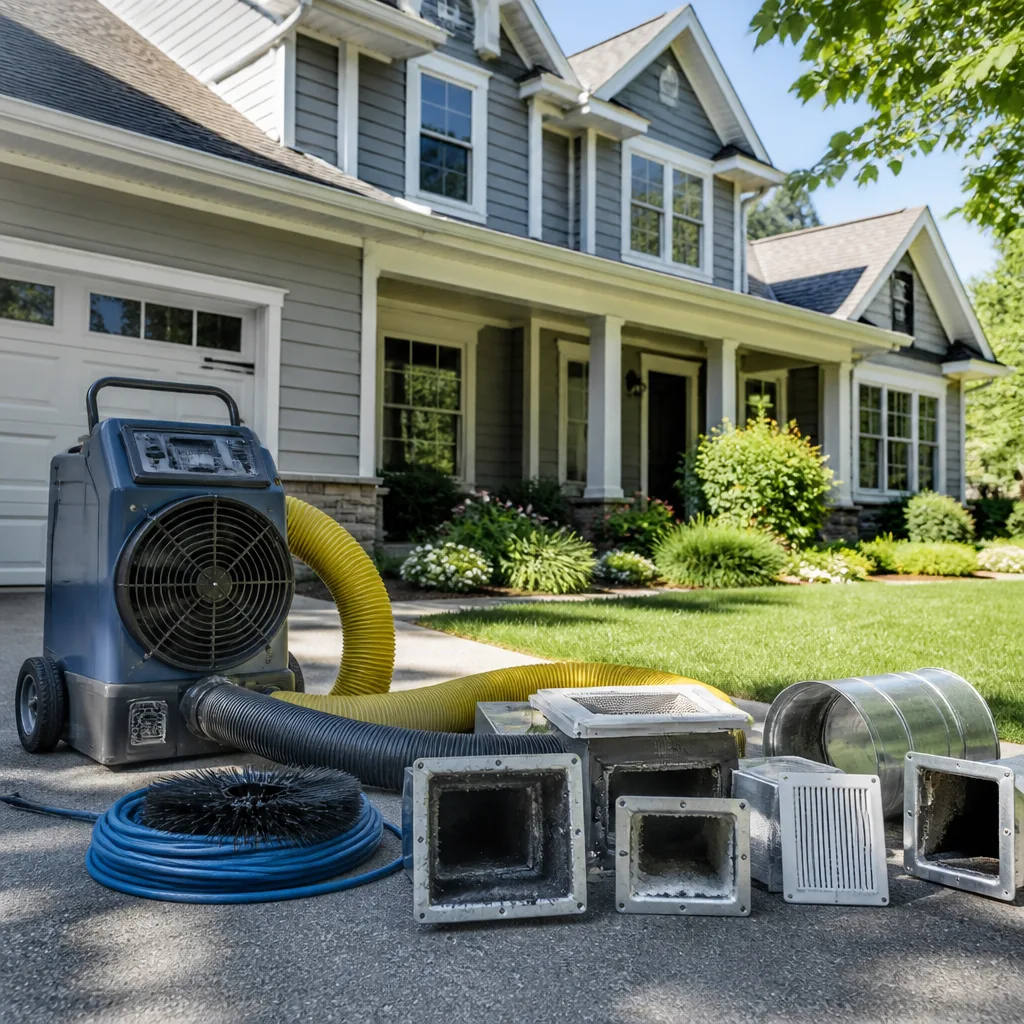 Whole-home duct cleaning
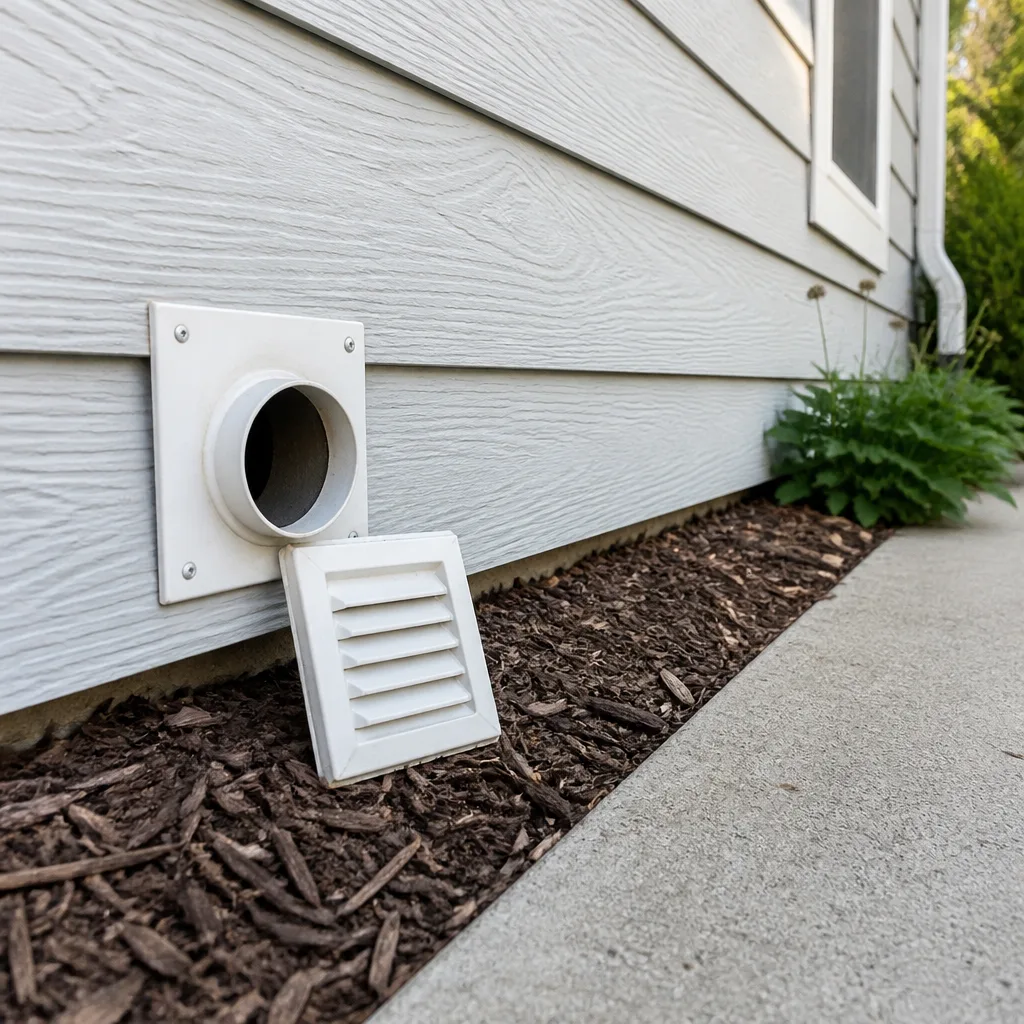 Dryer vent cleaning
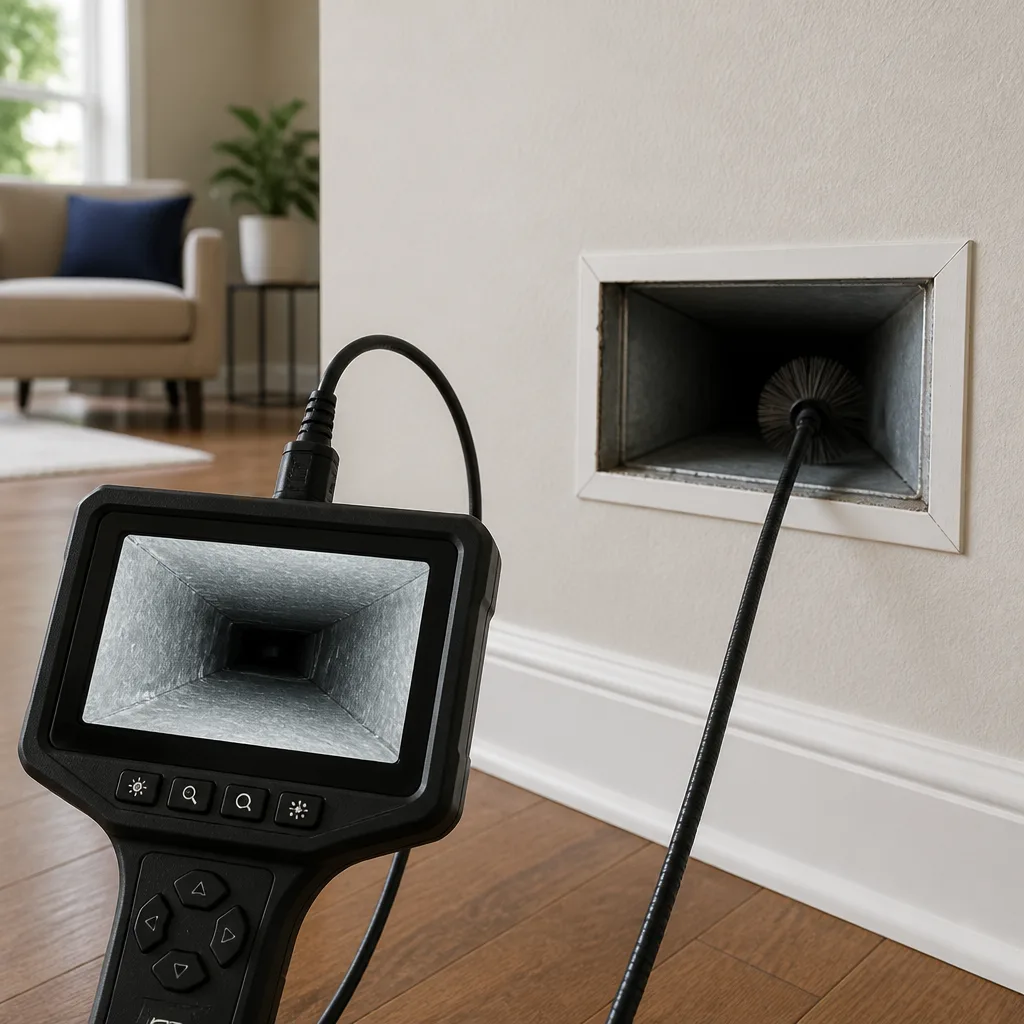 Camera inspection
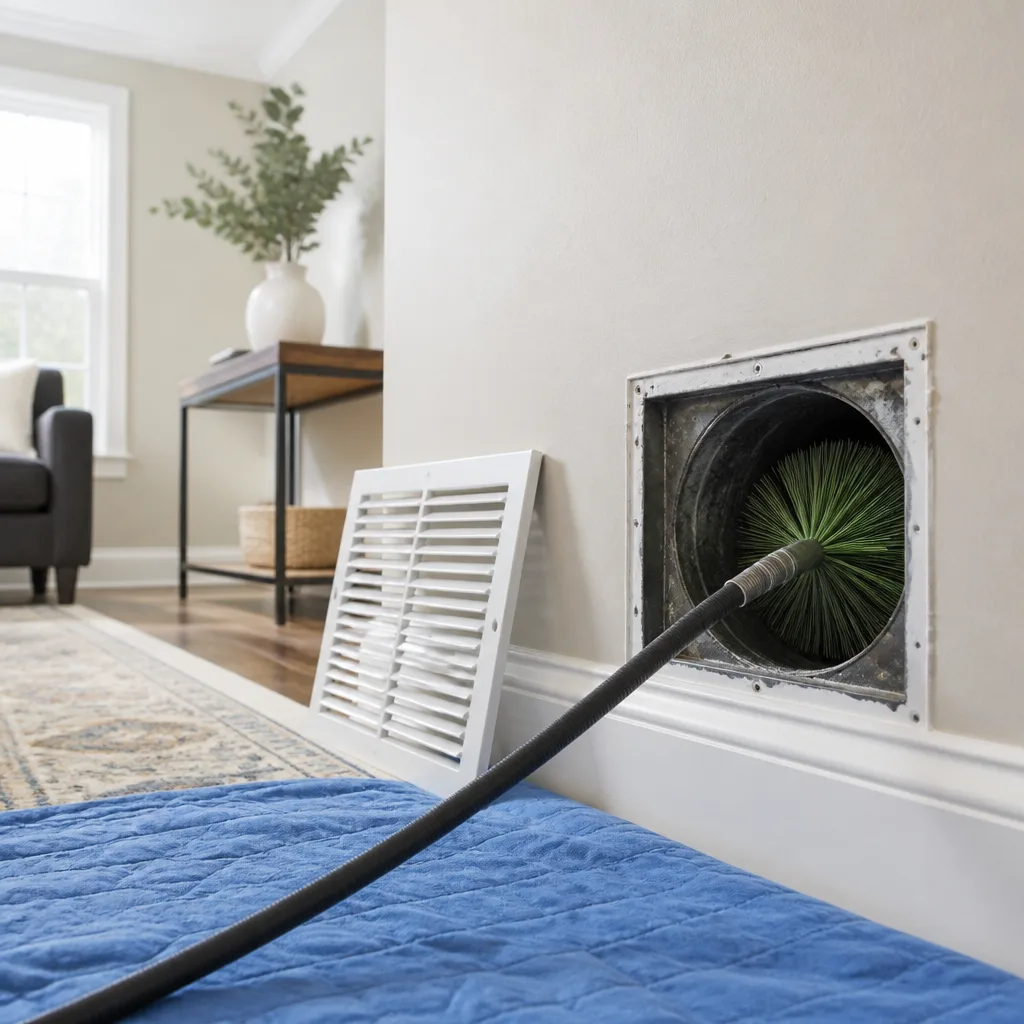 Sanitizing & deodorizing
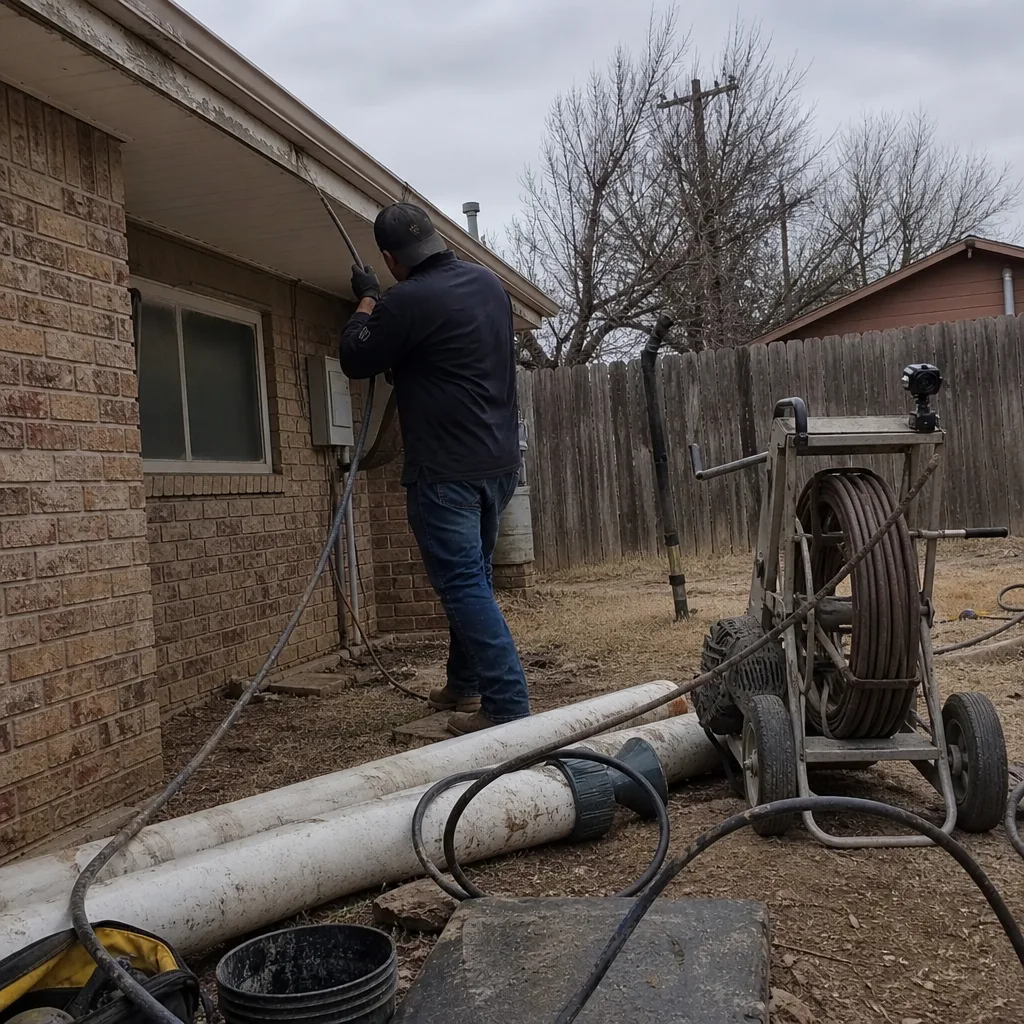
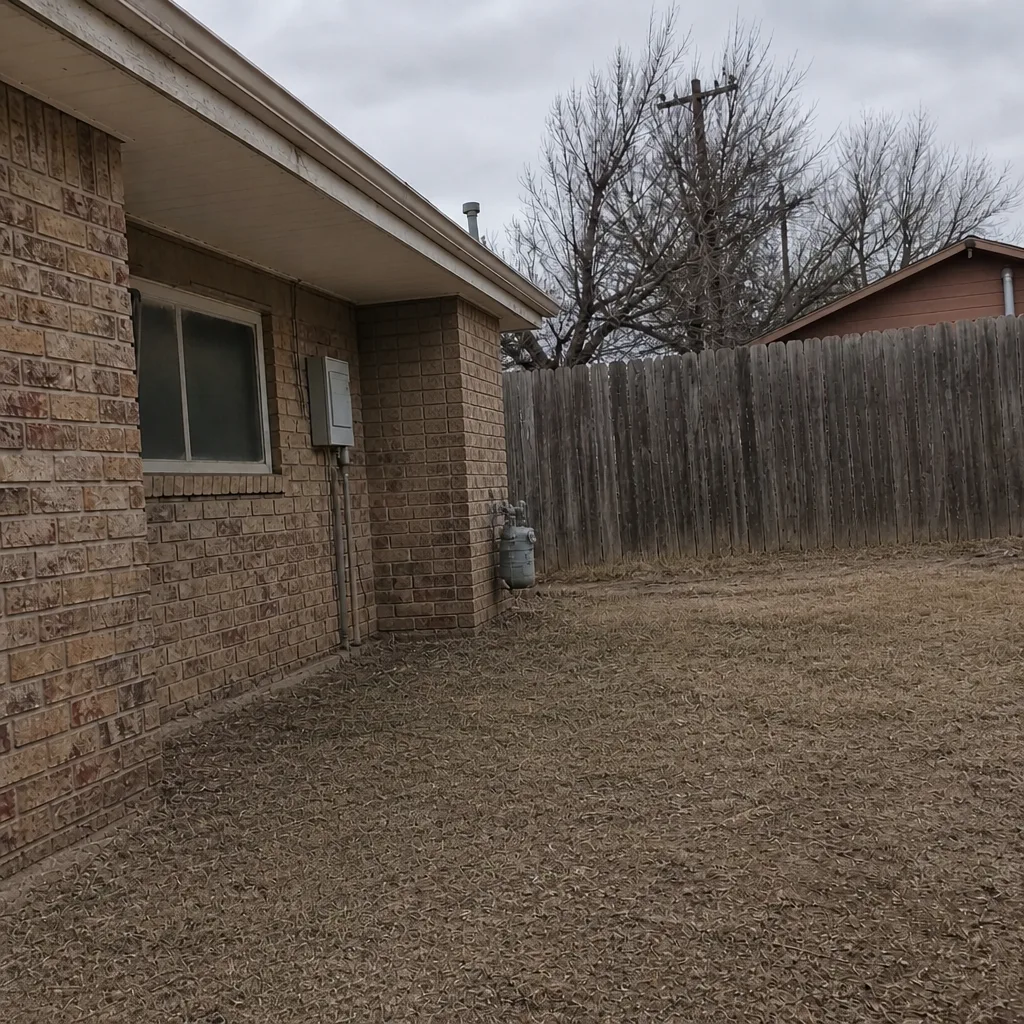
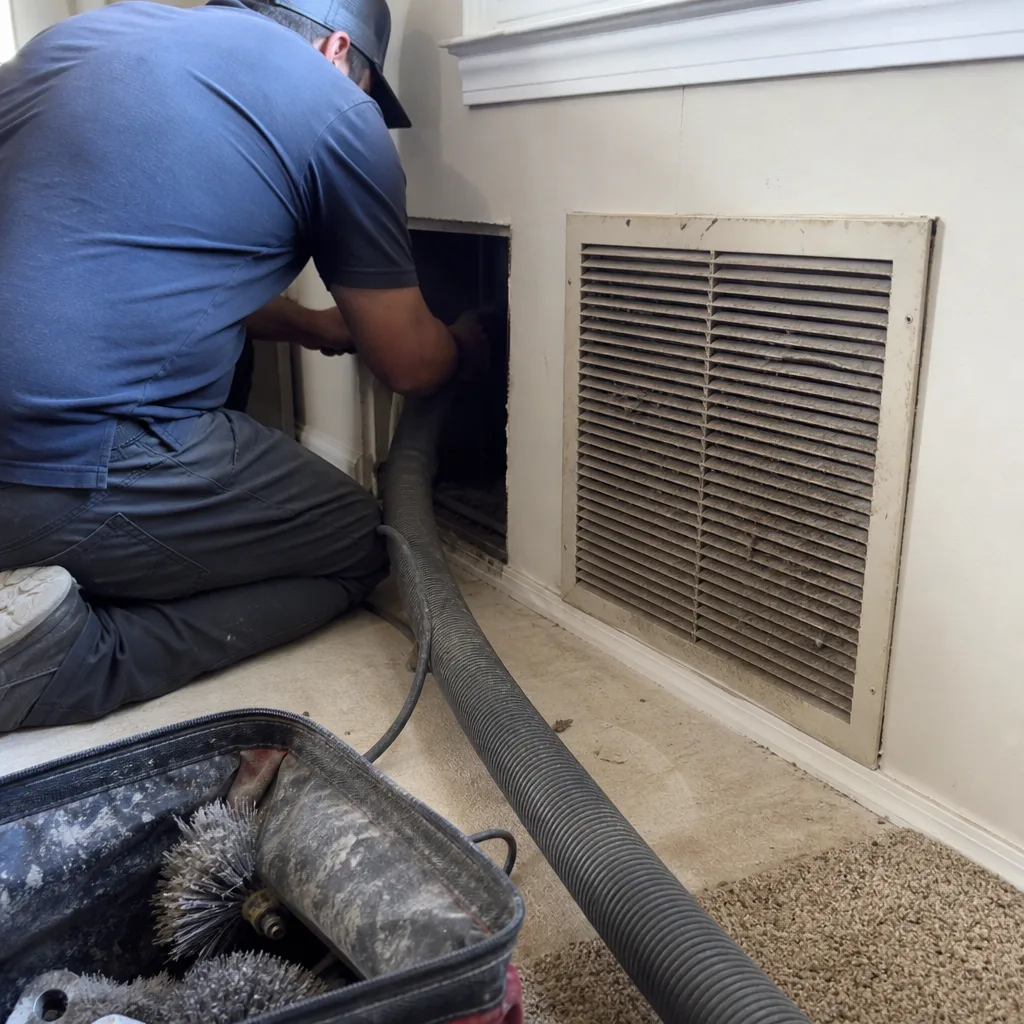
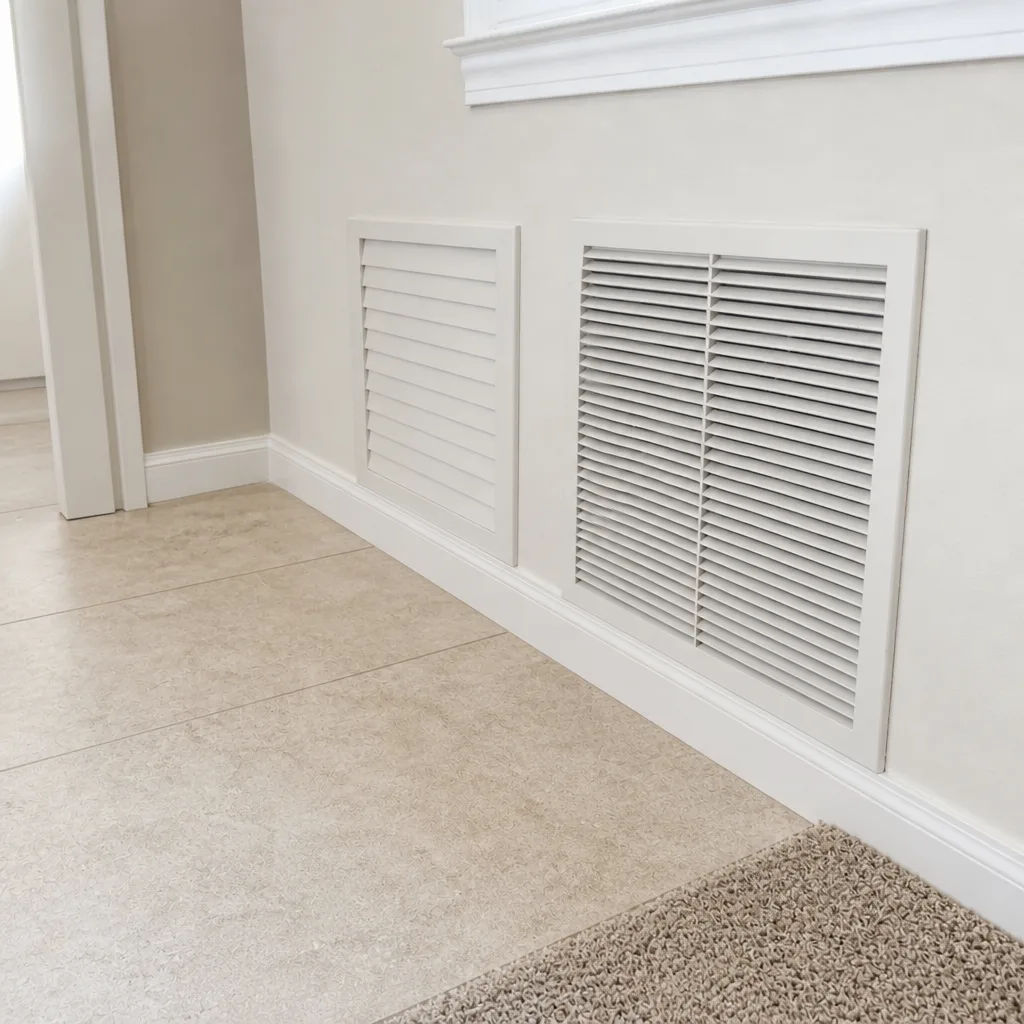
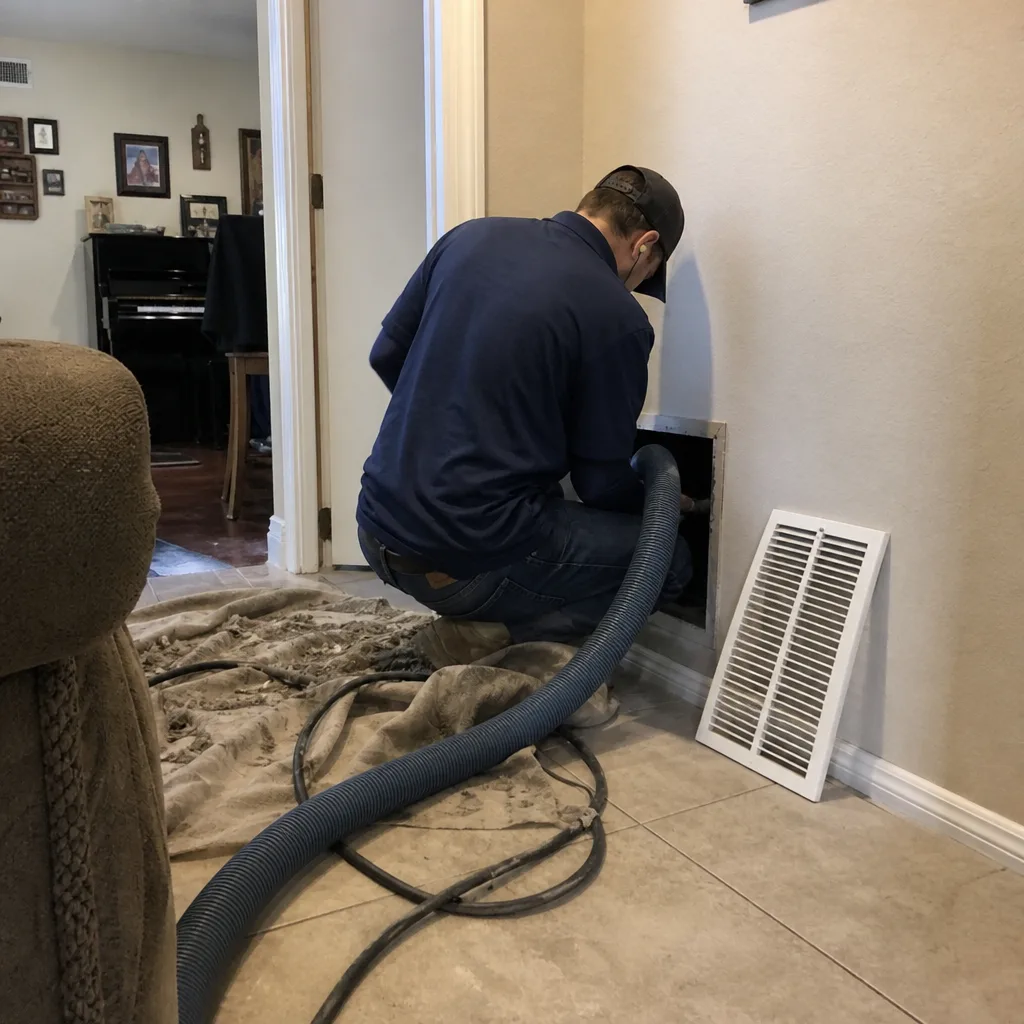
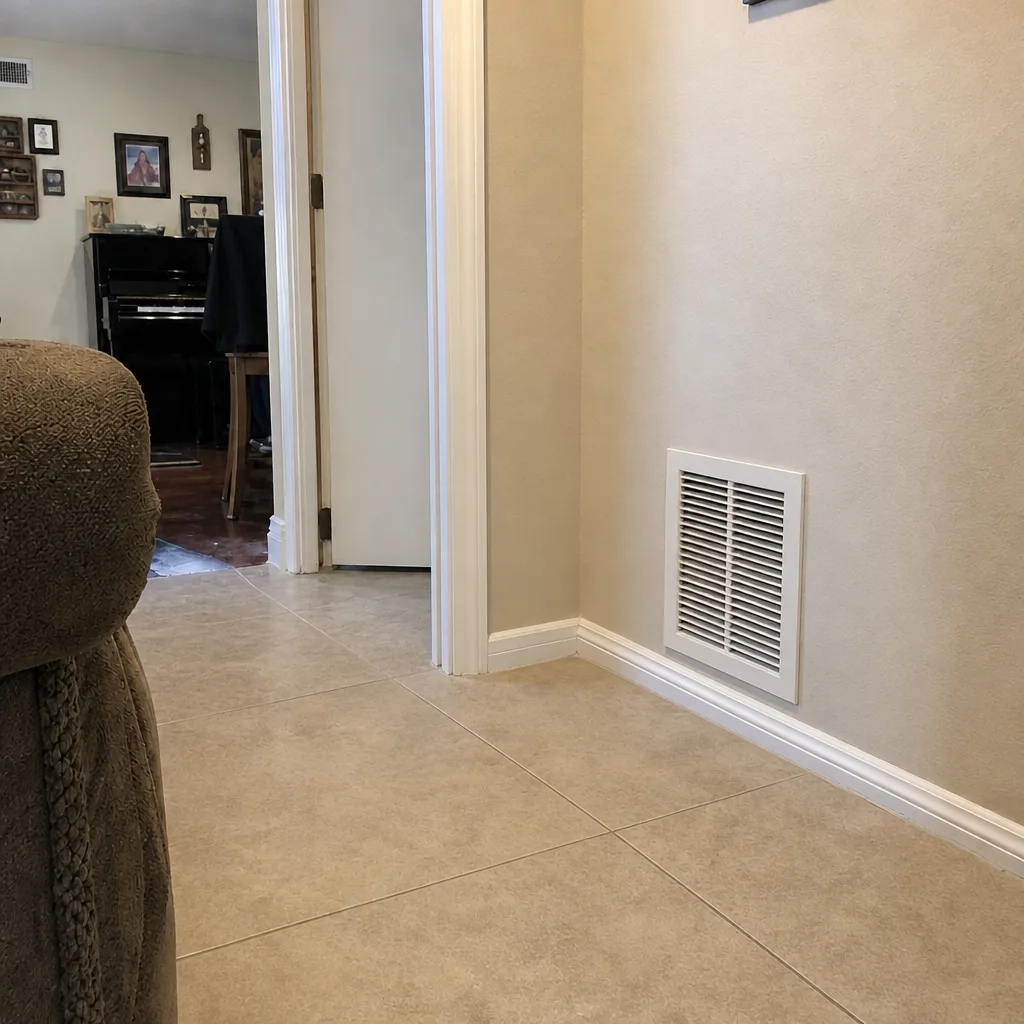
Whole-system duct and dryer vent check with before-and-after photos - you see exactly what came out of your vents
That "$99 whole-house special" is a bait ad - the real number appears once they are in your hallway, or the "clean" is a shop-vac at the register. We photograph the inside of your ducts before and after instead.
Seasonal Air Duct Cleaning Care for Amarillo: Year-Round Homeowner’s Guide
Most homeowners treat duct cleaning as a yearly checkbox, something to tick off whenever the calendar reminds them. That approach misses how contamination actually accumulates here. In Amarillo, your ductwork takes on four distinct loads across the year: spring dust storms, summer cooling stress, fall furnace startup, and winter static that glues fine particles to surfaces. The worst time to discover restricted ducts is the first 95-degree day in June, when the system runs for 14 hours straight. The contamination causing that restriction started building back in March. This guide walks through what each season does to your ducts, how to observe the changes, and when to schedule professional work.
Quick Answer
Seasonal duct care in Amarillo works best when you match cleaning and inspection timing to what each season deposits. Spring storms drive fine dust into return-side ductwork, summer heat stresses airflow through already-restricted systems, fall furnace startup burns off settled dust, and winter dry air causes static-adhered particles to cling harder. A single annual cleaning is less effective than observation through the year plus a targeted professional cleaning scheduled ahead of peak cooling season.
Styles & brands we work with
- Whole-home duct cleaning
- Dryer vent cleaning
- Camera inspection
- Sanitizing & deodorizing
Table of Contents
- Spring in Amarillo: Haboob Season and Return-Side Infiltration
- Summer: Airflow Restriction and Cooling Stress on the System
- Fall: Furnace Startup Odors and What They Tell You
- Winter: Static Electricity and Particle Adhesion
- Building a 12-Month Duct Observation Log
- What a Professional Cleaning Actually Involves
- Common Mistakes to Avoid
- When to Call a Professional
Spring in Amarillo: Haboob Season and Return-Side Infiltration
March through May is the highest-risk window for duct contamination in Amarillo. The spring wind season here doesn’t just carry dust; it drives fine particulate matter into every gap in the building envelope, and ductwork with even minor return-side leaks becomes a collection point. A haboob, the dust wall that forms when thunderstorm outflow lifts loose topsoil, pushes particles through attic vents, around filter frames, and into return plenums faster than any other event on the calendar. The system doesn’t need to be running for this to happen; a return grille with a poorly seated filter lets dust slip past whether the air handler is on or off.
Supply Versus Return-Side Contamination After a Storm
The supply and return sides of your ductwork collect contamination differently after a spring dust event, and knowing which side is affected tells you what kind of cleaning is needed:
- Return side: Catches the bulk of incoming dust because it pulls air from living spaces and sometimes from attic or crawlspace leaks. A return plenum that looks lightly grey after a storm may hold far more particulate than the supply runs.
- Supply side: Typically stays cleaner unless the system was running during a storm event with a compromised filter. Supply contamination often signals a filter failure or infiltration at the air handler cabinet.
- Air handler cabinet and blower compartment: The junction where both sides meet. Dust that makes it past the filter settles here and coats the blower wheel, which slowly unbalances it and cuts airflow.
After a significant dust event, the practical check is visual: pull a return grille and look at the interior of the plenum with a flashlight. If you see a visible coating of pale dust on surfaces that were clean before the storm, the return side has taken on load. A professional inspection using rotary-brush equipment and negative-pressure vacuum systems, the kind we run with Rotobrush and Nikro gear, can verify whether that dust has reached the main trunk lines or stayed near the grilles. Post-storm inspection is also a good time to check filter seating and grille gaskets, since a filter that isn’t snug in its frame lets dust bypass entirely.
If you’d like a baseline inspection done before summer, our air duct cleaning service starts with a walkthrough of the full system rather than a blind cleaning pass.
Summer: Airflow Restriction and Cooling Stress on the System
June through August in Amarillo pushes the cooling system into its hardest work of the year, with 100°F-plus days arriving well before the calendar says summer has started. When ducts are restricted by accumulated dust and debris, the blower has to work against higher resistance to move the same volume of air. The system runs longer, cools less effectively, and stresses the compressor. That extra runtime is the mechanism by which dirty ducts cost you money in summer heat, not some vague efficiency penalty.
Static Pressure Drop as a Restriction Proxy
Static pressure is the resistance air meets as it moves through ductwork, and it rises as ducts narrow from buildup. You don’t need professional gauges to notice the symptom, though. Watch for these signs during peak cooling season:
- Rooms that cooled fine in May now run 2-4 degrees warmer than the thermostat setting.
- The blower sounds different, either louder from higher velocity through restricted passages or quieter because less air is moving.
- Static pressure you can sense at a supply register: if airflow from a vent feels weak compared to other rooms, that branch may carry more restriction.
- Longer run times without a corresponding drop in indoor temperature.
- Condensation or moisture at the air handler or visible condensate issues that appeared with the heat.
A technician measuring static pressure across the air handler can quantify restriction in inches of water column. That number is more reliable than guesswork and shows exactly how hard the system is working. If you’ve never had the system measured, summer is the season where the result matters most. Professional-grade cleaning with Abatement Technologies filtration equipment also captures fine particulate that standard shop vacuums stir back into the air, which matters during summer when windows stay closed and every particle released inside stays inside.
If airflow issues have left you wondering whether the ducts themselves need work, our Amarillo service page covers what a full inspection and cleaning visit involves.
Fall: Furnace Startup Odors and What They Tell You
September through November is when the furnace fires up for the first time since spring, and that first run almost always produces an odor. Most of the time it’s dust burning off the heat exchanger and burners, which is normal and fades within an hour or two. But not every smell is benign. Distinguishing normal burn-off from contamination that needs attention is one of the most useful skills a homeowner can develop, and fall is the season to learn it.
Normal Burn-Off Versus Soot Contamination
- Normal burn-off: A faint, dusty smell on the first heating cycle that fades within an hour or two and doesn’t return on subsequent cycles. It smells like hot dust, not smoke or chemicals.
- Soot contamination: A sharper, acrid smell that persists beyond the first cycle, or returns each time the furnace runs. Soot indicates incomplete combustion or a backdraft pulling exhaust into the ductwork, and it deposits a dark, oily film on duct interiors.
- Burning plastic or chemical odors: Never normal. These can indicate an electrical problem or a foreign object contacting a hot surface. Shut the system down and have it inspected.
- Musty or earthy smells: Typically point to moisture or biological growth in the system, which duct cleaning alone does not resolve. A technician should identify the moisture source first.
If the smell is soot, the ducts need cleaning and the furnace needs inspection by an HVAC professional to find the combustion problem. Duct cleaning removes the deposited soot but doesn’t fix what caused it. That distinction matters, and a company that only cleans ducts will tell you so. We work with Honeywell and Aprilaire air-quality products and can recommend filtration and humidity control solutions that support the whole system, but combustion diagnosis belongs with a licensed HVAC technician. Fall is also the right time to replace filters before heating season begins, since a filter loaded with summer dust cuts airflow just when the furnace needs it most.
Fall is a good season to have the duct cleaning Amarillo visit scheduled, since demand is lower than in summer and the cleaning happens before heating season deposits a fresh layer.
Winter: Static Electricity and Particle Adhesion
December through February brings dry air and static electricity, and static changes how particles behave inside ductwork. In humid climates, fine dust tends to stay loosely settled and moves when airflow picks up. In dry winter air, the same particles carry static charge and cling to duct walls, register grilles, and blower wheels far more aggressively. That adhesion is why winter dust can look difficult to remove with a household vacuum: the particles are physically attracted to the surface, not just resting on it.
Why Dry Air Makes Cleaning Harder
Static-adhered particles require mechanical agitation to dislodge, which is one reason rotary-brush equipment matters. A vacuum alone pulls loose debris but leaves the fine, statically charged layer on duct walls until a brush works it free. During winter, that layer builds faster because low humidity keeps charging particles as they move through the system. You may also notice more static shocks at light switches and door handles, which is a rough indicator of how dry the indoor air is.
Winter is also when whole-home humidification matters. Aprilaire humidifiers integrate with the HVAC system to bring indoor relative humidity into a more comfortable range, which reduces static adhesion and makes the duct surfaces less hospitable to clinging dust. It doesn’t replace cleaning, but it slows how fast the duct walls load between cleanings. Guardsman surface protection products also come into play during winter service visits, protecting flooring and trim while brush equipment works through the system. If you notice a sharp uptick in static and dust accumulation through January and February, log it. That pattern is useful going into spring, when the next inspection happens.
Building a 12-Month Duct Observation Log
A simple observation log makes annual professional inspections faster and far more targeted. Instead of a technician guessing what happened in your system over the past year, you hand them a record of when symptoms appeared and what triggered them. The log doesn’t need to be elaborate; a notebook or a note on your phone works fine. What matters is recording the right things at the right times.
What to Record Each Month
- Filter condition: Note how loaded the filter is when you check it, and when you replaced it. A filter that loads quickly points to high particulate load entering the system.
- Airflow observations: Pick a fixed supply register and note roughly how strong the airflow feels. Changes matter more than the absolute reading.
- Odors: Record any smell at startup, its character, and whether it fades or returns. This is the single most useful clue for fall inspections.
- Visible dust at grilles: Check return grilles monthly and note whether streaking or buildup appears with dust storms or furnace startup.
- Static and dust accumulation: A quick note on static shocks and how quickly surfaces collect dust through winter.
- Post-storm notes: After a March or April dust event, note whether grilles look dustier than the month before.
- Run-time complaints: Through summer, note whether rooms struggle to cool and whether the blower sounds different.
Bring the log to a professional inspection. With that history, a technician can target the side of the system that’s actually loaded instead of cleaning everything on a schedule. We’ve seen how much difference this makes on inspection visits, and it’s the reason we ask homeowners what they’ve noticed before we start equipment work. A dryer vent cleaning visit can be logged the same way: note lint buildup, drying times, and any heat at the exterior vent. Drying times that lengthen month over month are the clearest signal the vent is loading.
What a Professional Cleaning Actually Involves
A proper duct cleaning isn’t a shop vacuum pushed through a register; it’s a system-wide process that uses negative pressure, mechanical agitation, and filtration to remove contamination without releasing it into the living space. The equipment matters because the difference between a professional cleaning and a cheap one is almost entirely about what happens to the dust once it’s dislodged.
The Process, Step by Step
- System inspection: Every register and the air handler are opened and inspected. Contamination is mapped to see which runs are loaded and which are clean.
- Negative pressure setup: A high-powered vacuum connected to the main trunk keeps the system under negative pressure so dislodged debris travels toward the vacuum, not into rooms.
- Mechanical agitation: Rotary-brush tools work through each branch line, dislodging statically adhered dust that vacuum alone won’t move. Compressed air from the supply side pushes debris toward the vacuum.
- Filtration and containment: Abatement Technologies filtration equipment captures fine particulate, which is the visible difference between a professional job and one that leaves dust settling on your furniture afterward.
- Air handler and blower cleaning: The blower wheel and cabinet are cleaned, since a coated blower unbalances and cuts airflow.
- Repair assessment: Any disconnected joints, crushed runs, or leaks found during cleaning get flagged and repaired. Not every duct company offers repair, which is why we do: cleaning a leaky system leaves the infiltration path open.
- Before-and-after documentation: Photos of the duct interiors before and after work confirm what was actually removed. Ask for these.
The cleaning is priced per system based on the written estimate, agreed before work begins. That structure is why we don’t quote per-vent prices; a per-vent price encourages cutting corners on runs that are harder to access, and you end up paying for a partial job.
Common Mistakes to Avoid
- Cleaning only after a problem becomes obvious. By the time airflow drops noticeably in summer, the restriction built up through the previous spring and winter. Cleaning proactively ahead of peak season is more effective than reacting to it.
- Treating spring dust storms as a minor event. Amarillo dust events push fine particulate past poorly seated filters and into return plenums. Assuming a filter caught everything lets the return side load up unchecked.
- Confusing furnace odor types. Normal first-run burn-off fades quickly. Soot or chemical smells need diagnosis, not just cleaning. Treating every startup odor as harmless delays finding a combustion problem.
- Hiring on price without asking about equipment. A crew with consumer vacuums will leave dust in the air and statically adhered particles on the walls. Ask which professional systems they use before scheduling.
- Skipping the observation log. Without a record of symptoms, professional inspections have to clean everything to be safe. A log turns a blind cleaning into a targeted one.
- Ignoring the dryer vent. Lint accumulates through the year regardless of season. Long drying times, a hot exterior vent, or lint around the lint trap are signals to schedule dryer vent cleaning Amarillo.
- Assuming cleaning fixes moisture or mold issues. Duct cleaning removes particulate and debris. Moisture problems need their source identified first, and biological growth needs specialized remediation, which is outside standard duct cleaning.
When to Call a Professional
Some situations call for a professional visit regardless of the calendar. Call us if you’ve just finished a renovation that generated drywall dust and sawdust, since construction particulate can travel deep into the return system. Call if a March dust event left visible dust at return grilles or the interior of the plenum looks coated. Call if summer airflow has dropped noticeably compared to other rooms, or if the blower sounds louder than last year. Call if fall furnace startup produces a persistent acrid or sooty smell, and have the furnace inspected alongside the ducts. Call if anyone in the home has allergies or respiratory sensitivity and you’ve never had the ducts inspected. Call if you’ve never had the ductwork cleaned and don’t know its condition. Duct Cleaning Amarillo offers free estimates in Amarillo, with a written assessment of what the system needs and what it doesn’t. Call (866) 389-4505. We answer 24/7. Fast dispatch from 7am to 7pm, Sunday through Friday.
Frequently Asked Questions
Most Amarillo homes do best with a professional inspection every one to two years and cleaning when the inspection shows it’s needed, timed ahead of peak cooling season. The spring dust season, summer cooling load, fall furnace startup, and winter static combine to load ductwork faster here than in more humid climates. Homes with allergy sufferers, pets, or recent renovation work may need more frequent attention. Call (866) 389-4505 for an exact quote. Estimates are free.
Yes. Haboob events and windy spring days push fine dust through any gap in the building envelope, and return-side ductwork with a poorly seated filter or loose grille collects that dust quickly. The system doesn’t need to be running for infiltration to happen. A visual check of the return plenum after a major dust event shows whether the return side has taken on load.
A faint dusty smell that fades within an hour or two is normal burn-off as settled dust on the heat exchanger burns away. A sharper acrid or sooty smell that persists or returns on later cycles points to soot contamination or a combustion issue, and the furnace should be inspected by an HVAC technician before you rely on it for the season.
Restricted ducts raise the static pressure the blower works against, so the system runs longer to move the same air and struggles to reach the thermostat setting on peak 100°F days. The compressor works harder and signs of struggle show up as warmer rooms, longer run times, and changes in blower sound. A static pressure measurement tells you exactly how much restriction the system is dealing with.
Pricing is set per system by a written estimate after inspection, so it reflects your home’s actual duct layout and condition rather than a per-vent rate. That structure protects you from the bait-and-switch pattern where a low teaser price becomes a much larger invoice once the technician is on site. Call (866) 389-4505 for an exact quote. Estimates are free.
Low quotes usually reflect consumer-grade vacuums, no negative pressure setup, and no containment filtration, which means dust gets stirred into the air instead of captured. The difference shows on the job, with debris settling on surfaces afterward and statically adhered particles left behind. Ask which professional systems a company uses before you book, and ask for before-and-after photos of your own ducts. Call (866) 389-4505 for an exact quote on a full-system cleaning.
The Bottom Line
Duct maintenance in Amarillo isn’t a single annual event; it’s a year-round observation task. Spring dust storms load the return side, summer heat exposes restriction through airflow problems and longer run times, fall furnace startup reveals what settled over the warm months, and winter static adhesion grips fine particles to duct walls. Keep a simple monthly log of filter condition, airflow, odors, and dust at grilles, then use that record to schedule a targeted professional cleaning ahead of peak cooling season. Professional-grade equipment, a written estimate per system, and before-and-after documentation make the difference between a real cleaning and a quick vacuum pass.
Ready to schedule a full-system inspection and cleaning? Call Duct Cleaning Amarillo at (866) 389-4505 for a free estimate. We answer 24/7. Fast dispatch from 7am to 7pm, Sunday through Friday.
Written by the team at Duct Cleaning Amarillo.
See the difference
 Before
 After
 Before
 After
 Before
 After