
Last updated November 15, 2026
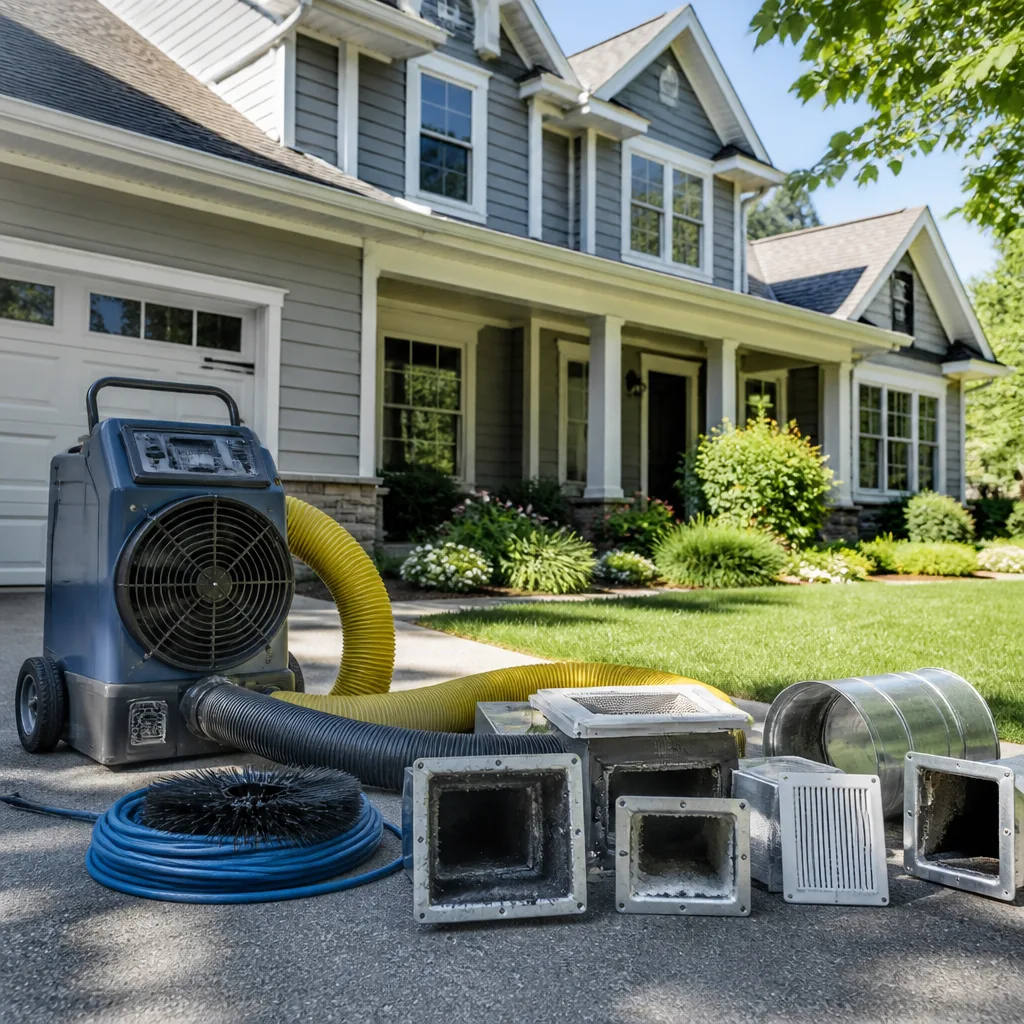 Whole-home duct cleaning
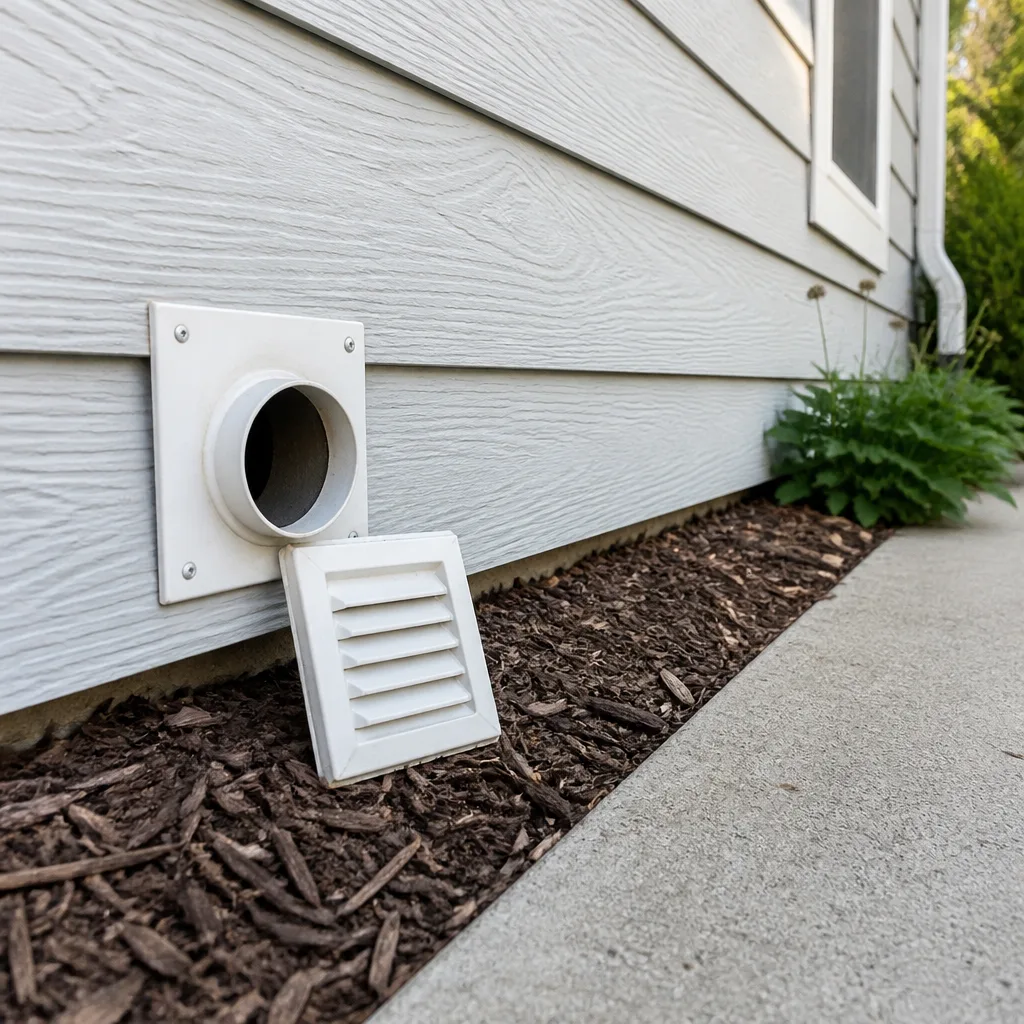 Dryer vent cleaning
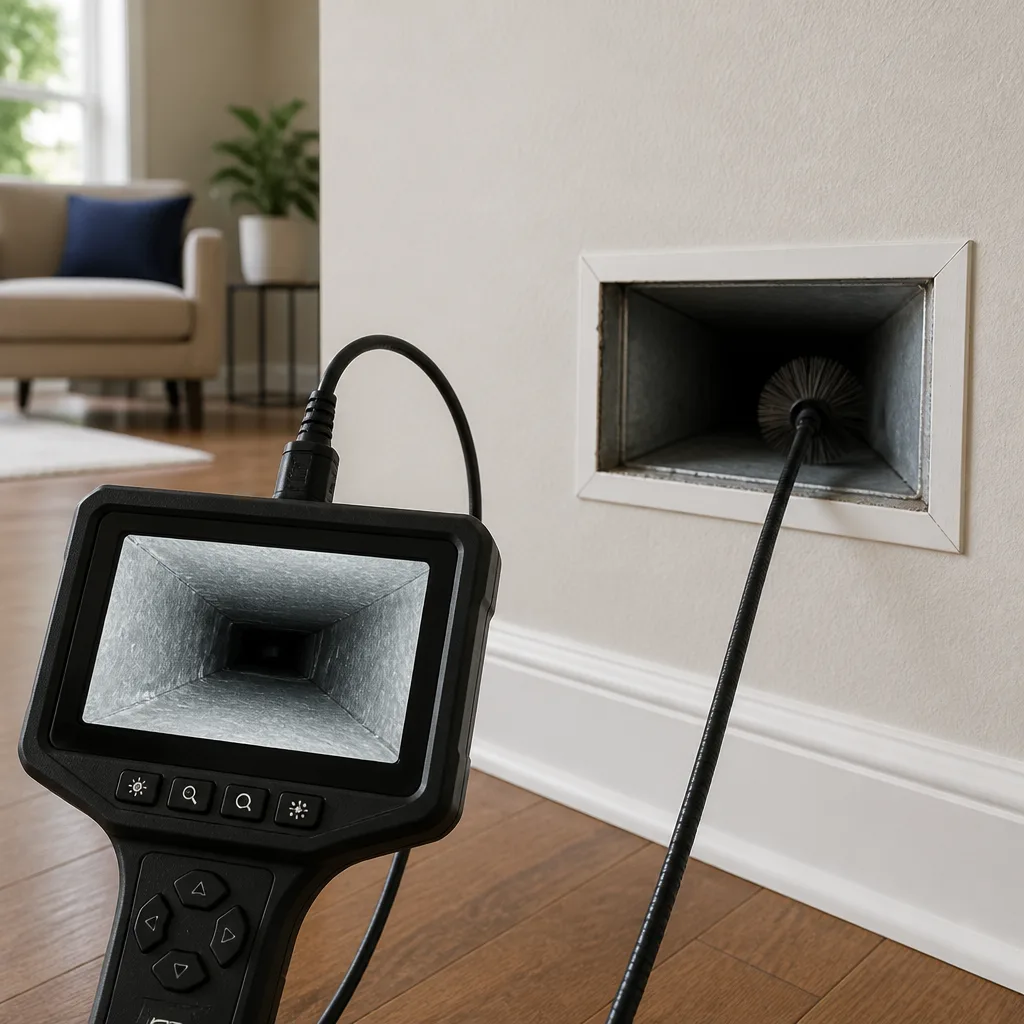 Camera inspection
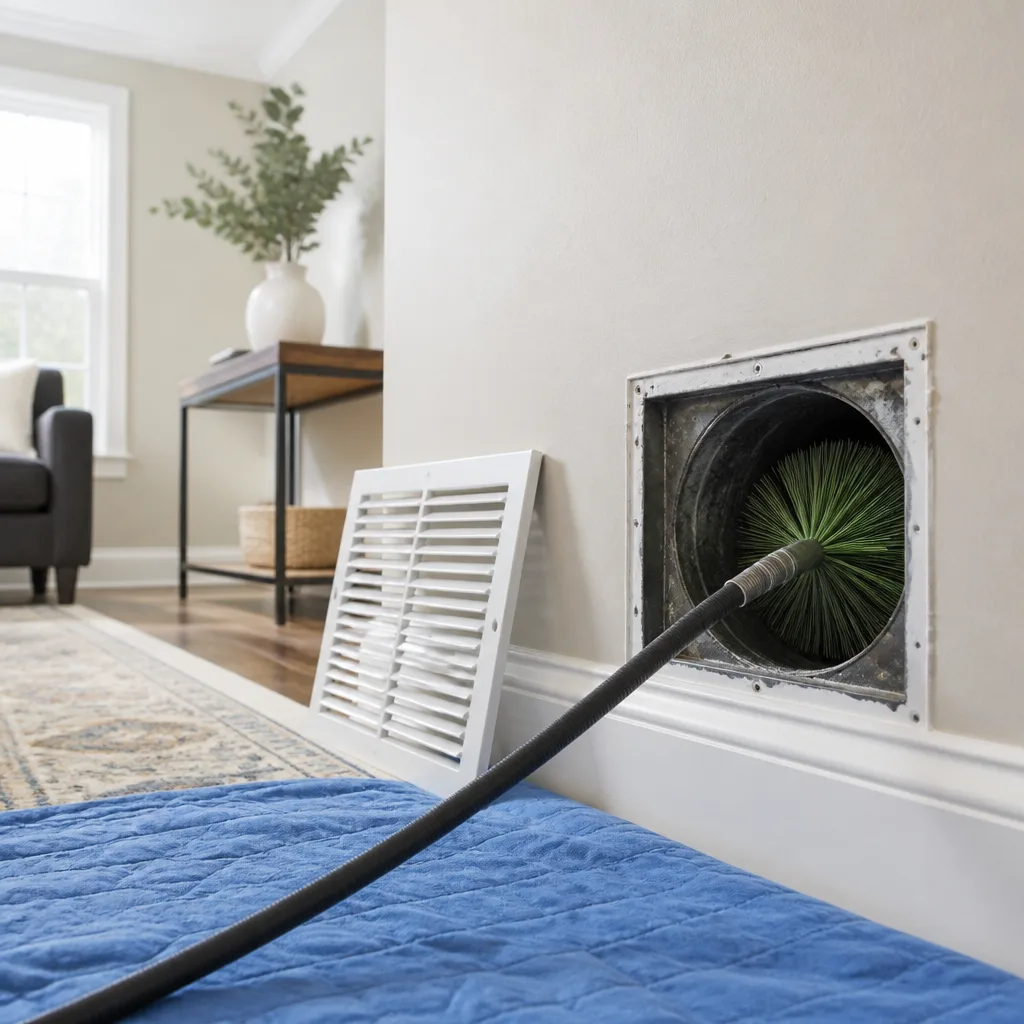 Sanitizing & deodorizing
Whole-system duct and dryer vent check with before-and-after photos - you see exactly what came out of your vents
That "$99 whole-house special" is a bait ad - the real number appears once they are in your hallway, or the "clean" is a shop-vac at the register. We photograph the inside of your ducts before and after instead.
Air Duct Cleaning Warning Signs: An Amarillo Homeowner’s Reference Guide
The dust on your register covers is usually the last warning sign, not the first. By the time you can see a gray film building on the grille face, the duct interior has often been loaded for months, and the visible dust is just the portion that finally settled where you’d notice it. That inverted order trips up a lot of Amarillo homeowners. They wait for an obvious symptom, or they misread the one they’re seeing. This guide is about the diagnostic signals that actually tell you a system needs professional cleaning, and just as importantly, the signals that point to a different problem entirely. A duct leak, failed insulation, or a sizing issue won’t be fixed by cleaning, no matter how thorough the cleaning is. Read on and you’ll learn how to tell the difference before you spend money on the wrong solution.
Quick Answer
The genuine warning signs of dirty ducts in Amarillo are a musty or dusty-acrid smell that returns quickly after filter changes, a visible dust plume from registers when the blower kicks on, room-to-room airflow that varies more than it should, and worsening allergy symptoms that track with time spent at home. Inconsistent room temperatures and dust alone are not reliable indicators. They often point to duct leaks, insulation failure, or HVAC capacity problems that cleaning will not solve, so the first step is always diagnosis before cleaning.
Styles & brands we work with
- Whole-home duct cleaning
- Dryer vent cleaning
- Camera inspection
- Sanitizing & deodorizing
Table of Contents
- Why dust on your registers is the last sign, not the first
- The room-by-room airflow test: dirty duct versus duct leak
- The odor taxonomy: what each smell in your ducts is telling you
- Why uneven room temperatures usually mean restriction, not capacity
- Allergy and respiratory patterns that point to duct contamination
- Post-renovation warning signs in older Amarillo homes
- When the answer is repair, not cleaning
- The dryer vent signals homeowners overlook
Why dust on your registers is the last sign, not the first
A register grille faces the room, so it’s the part of the duct system you actually see. The duct run behind it is a long, dark, low-velocity channel where particulate settles out of the airstream over months. What reaches the grille face is the fine fraction that stayed airborne long enough to make it there, and even that takes a while to become visible. By the time a homeowner in Amarillo notices a gray band forming on the supply covers, the interior of the branch and trunk lines has typically been collecting for a full heating and cooling cycle or more.
This matters because it flips the way most people sequence their thinking. A visible dust deposit is a confirmation, not an alarm. The stronger, earlier indicators are behavioral and sensory:
- A dusty smell that returns within weeks of a fresh filter, suggesting the filter isn’t the source.
- A visible puff of dust from a supply register in the seconds after the blower starts, which usually means particulate is being lifted off duct walls and insulation surfaces each time airflow ramps up.
- Dust settling faster in rooms with more supply registers than in rooms without them, a pattern that points to the ductwork rather than the air in the room.
- Filter loading that runs faster than it should, with a filter that darkens across its face in a shorter span than the manufacturer’s change interval.
None of these is a reason to panic. They’re reasons to get the system inspected before the problem compounds. In our experience across Amarillo, the homes that end up needing the most work are usually the ones where the visible sign was treated as the whole story for years.
The room-by-room airflow test: dirty duct versus duct leak
The single most useful distinction in this entire guide is the one almost no homeowner makes: is this a dirty duct problem, or a duct leak problem? The two produce overlapping symptoms but require completely different solutions. Cleaning a leaking duct system doesn’t fix the leak, and sealing a dirty system just traps the contamination. Here’s how to tell them apart with a simple walkthrough.
- Close off the house. Shut every exterior door and window, and turn off any exhaust fans in kitchens and bathrooms so you’re reading the supply side cleanly.
- Run the blower on a steady setting. Set the thermostat to fan-on so the system runs continuously without the compressor cycling. You want stable airflow, not bursts.
- Walk every supply register with a hand or a strip of tissue. Hold your palm a few inches off each grille and feel the push. Then note the difference between the strongest and weakest register in the house.
- Test the return side. A return grille should pull tissue firmly toward it. Weak suction at one return while another pulls hard can indicate an obstruction or a leak on that return run.
- Map the results. If supply airflow is consistently moderate everywhere but the air is dusty, you’re likely looking at dirty ductwork. If one or two rooms are dramatically weaker while the rest feel fine, that’s a restriction or leak signature, not a dirt signature.
- Check for leak evidence. Look for dust streaks or dark smudges at duct joints, especially where runs pass through unconditioned space like the attic. Dust being drawn into a leak leaves a pattern at the joint.
A room that’s consistently weak while its neighbor runs strong is a duct problem, not a whole-house dirt problem. In the Amarillo homes we inspect, a single undersized or disconnected branch is a common culprit behind one chronically stuffy room. That’s a repair, and it needs to be found with camera and pressure diagnostics before any cleaning does its job.
The odor taxonomy: what each smell in your ducts is telling you
Smell is the most underrated diagnostic tool a homeowner has. The type of odor usually points to a specific cause, and the four we run into most in Amarillo each mean something different about the system.
Musty
A musty, damp-earth smell typically indicates biological growth somewhere in the system. That can happen on duct liner, on a wet evaporator coil drain pan, or on any surface that stays damp. In Amarillo, where summers are hot and the cooling coil sweats, a dirty drain pan or failed drain line is a common source. Cleaning removes the growth on duct surfaces, but if the underlying moisture source isn’t corrected, the musty smell returns.
Metallic
An odd metallic or hot-metal smell coming through registers is worth taking seriously because it can mean heat exchanger proximity, especially in older furnaces. A small crack or a failing component near the heat exchanger can produce a subtle metallic note in the airstream. That’s not a duct cleaning problem; it’s a safety concern that calls for a qualified HVAC technician to inspect the furnace itself.
Burning plastic
A burning-plastic or hot-rubber smell inside the ducts usually points to insulation contact. Duct insulation has a plastic or foam core, and if a run is resting against a heat source or a metal component that warms up, that material can off-gas. A loose section of internal duct liner that’s contacting a heated surface produces the same smell. This one warrants inspection rather than cleaning, since the physical contact is the problem.
Dusty-acrid
This is the signature Amarillo smell. Caliche dust, fine silica, and the alkali particulate that’s everywhere in our air accumulate on duct surfaces, and when the blower pushes through a loaded system, the air carries an acrid, dusty note. It’s not biological and it’s not a heat issue; it’s particulate load. This is the odor that responds best to a proper professional cleaning with real vacuum and rotary agitation equipment.
Why uneven room temperatures usually mean restriction, not capacity
When one room in an Amarillo house runs three or four degrees warmer than the rest in summer, the reflex is to blame the air conditioner. In most cases we see, the system has enough capacity. The problem is that not enough conditioned air reaches that room, and the reason is a restriction somewhere between the equipment and the register.
Restriction comes in a few forms. A crushed flex duct run in the attic, a branch that’s been stepped on or kinked during a past renovation, a damper that’s partly closed, or a disconnected duct joint that’s dumping air into the attic instead of the room. Each produces a weak register at that location without affecting the equipment’s ability to cool. The system runs longer trying to satisfy a thermostat, but that lone room stays uncomfortable.
How to tell a restriction apart from a capacity problem on your own:
- If the home overall reaches its set temperature but one room lags, that’s restriction, not capacity.
- If the whole house struggles to hit setpoint on the hottest Amarillo afternoons, capacity or refrigerant issues are more likely.
- If the weak room improves when you close registers elsewhere, that’s strong evidence of restriction, since you’ve shifted airflow to the restricted branch.
- If a room feels weak in both heating and cooling season, the duct run feeding it is the constant.
Duct repair is the answer to a restriction. Cleaning alone can’t clear a physically blocked or disconnected run. If the room-by-room test flags one stubborn room, ask for a camera inspection before you authorize any cleaning.
Allergy and respiratory patterns that point to duct contamination
Homeowners often call because someone in the house is reacting to the air, and they’re not sure whether the ducts are to blame. The clues that point at duct contamination versus other indoor air sources are usually about pattern and timing, not severity.
Signals that fit a duct problem:
- Symptoms that move with the room, getting worse in spaces with more supply registers.
- Morning symptoms that ease within an hour of leaving the house, suggesting overnight dust exposure.
- Worsening symptoms in the first days after the system transitions between heating and cooling, when a loaded system gets stirred up.
- A dusty-acrid smell described above tracking alongside the symptoms.
Signals that point elsewhere:
- Reactions concentrated in one room with heavy carpet or recently installed furnishings, which can point at off-gassing rather than ducts.
- Symptoms tied to window-open days, when outdoor particulate enters directly.
- Increased symptoms in winter that clear when the home humidifier is running correctly, which points at humidity management, not duct dirt.
- Reactions that follow a laundering or bedding change, which point at textiles.
We’re not going to tell you duct cleaning cures allergies. We can tell you that a loaded system brings particulate into the breathing zone each time the blower cycles, and cleaning removes that mechanism. If your home has carpet, older insulation, or known humidity control issues, all of those need attention in their own right, and a good inspection looks at the whole picture.
Post-renovation warning signs in older Amarillo homes
Remodeling stirs up more than anyone expects, and Amarillo’s housing stock adds a wrinkle or two. Drywall dust is the obvious one. Blown insulation fiber is the sneaky one, since it drifts for days after a crew has “cleaned up.” And in homes old enough to predate the mid-1970s phase-out of lead in paint, sanding and demolition can put lead particulate into the airstream, which is a much bigger deal than dust.
The post-renovation warnings that mean it’s time for camera verification:
- A visible drywall haze on registers that returns after cleaning the grilles.
- White, fibrous material found in vent covers or inside the first few feet of a run, especially after an attic insulation job.
- Dust that smells chalky or gritty rather than musty, pointing at mineral particulate.
- Increased respiratory irritation in family members after a renovation wraps up.
- Renovation work that disturbed painted surfaces in a pre-1975 home.
For cases involving suspected lead dust or serious contamination, basic shop-vac cleaning isn’t the answer. A duct specialist with Abatement Technologies filtration equipment can contain particulate during inspection and cleaning, and camera verification before and after the work is the only way to know the system is actually clear. That’s why our approach always includes a camera pass, before and after, so you’re not taking anyone’s word for it.
When the answer is repair, not cleaning
Cleaning a healthy duct system is useful. Cleaning a damaged one just relocates the problem. Here are the specific conditions where repair has to come first or alongside cleaning.
- Disconnected joints. A joint that’s come apart in the attic is dumping your conditioned air outside the living space. Cleaning won’t reattach it; qualified repair will.
- Crushed or kinked flex duct. A flex run that’s been crushed loses most of its capacity for airflow, and the fix is replacement of that run, not cleaning.
- Failing internal duct liner. Some older duct systems have internal acoustic or thermal liner that degrades over time and sheds material into the airstream. The liner has to be addressed, not just vacuumed.
- Damaged register boots. A rusted or separated boot between the duct and the floor or wall register lets dust bypass filtration.
- Failed insulation at joints. Missing or falling-apart insulation at duct joints leads to condensation and biological growth during Amarillo’s cooling season.
We don’t just clean; we inspect and repair, because in our experience half the homes labeled “needs cleaning” are actually chasing a repair problem. That’s the reason we offer air duct cleaning with a real camera inspection first, rather than sending a truck for a blind vacuum pass. If your system turns out to need duct repair, that’s work we handle rather than handing you off.
The dryer vent signals homeowners overlook
Duct cleaning gets the attention, but the dryer vent is the one that can actually harm you. A clogged dryer vent is a fire risk, not a maintenance checkbox, and among the leading causes of residential house fires. The signs are quieter than duct symptoms, but pre-cleaning inspection usually catches them.
- Clothes take noticeably longer to dry than they used to, even on a clean lint screen.
- The exterior vent flap doesn’t open fully or opens with weak force when the dryer runs.
- The dryer itself feels hot to the touch on its top or sides.
- Lint is visible around the vent opening or the outside flap.
- A musty or burnt smell in the laundry area after a cycle.
Treat dryer vent cleaning as its own job, separate from duct cleaning, on its own sensible schedule. A clean vent dries faster, and it removes one of the leading causes of house fires from the equation. In Amarillo homes where laundry sits in interior closets or near the garage, vent runs can be long and lint accumulates faster than most owners realize.
Common Mistakes to Avoid
- Calling a cleaning service instead of getting a diagnosis. Cleaning without inspection hides leaks, restrictions, and liner failure behind a fresh-looking grille. Ask for a camera pass first.
- Buying on the coupon price alone. The lowest advertised price often means a shop-vac crew that touches the registers and misses the trunk line. Professional-grade equipment like Rotobrush and Nikro exists for a reason; ask what the service uses before you book.
- Cleaning in the middle of a renovation. Cleaning before the drywall dust has settled just means it’ll need doing again. Wait until construction is complete, then verify the ducts are clear.
- Assuming dusting the registers means the ducts are clean. Wiping the grille face tells you nothing about the run behind it. The interior needs a camera look.
- Treating a wet system as a dirty system. A musty Amarillo duct with a wet drain pan needs moisture correction, not just cleaning. If the source isn’t fixed, biological growth comes back.
- Skipping the dryer vent. Homeowners focus on the air side and forget the fire side. The dryer vent deserves its own inspection, and it’s not a bundled afterthought.
- Ignoring one weak room after a cleaning. If one room is still stuffy after a full cleaning, that’s a restriction or leak. Push for diagnosis instead of a second cleaning pass.
See the difference
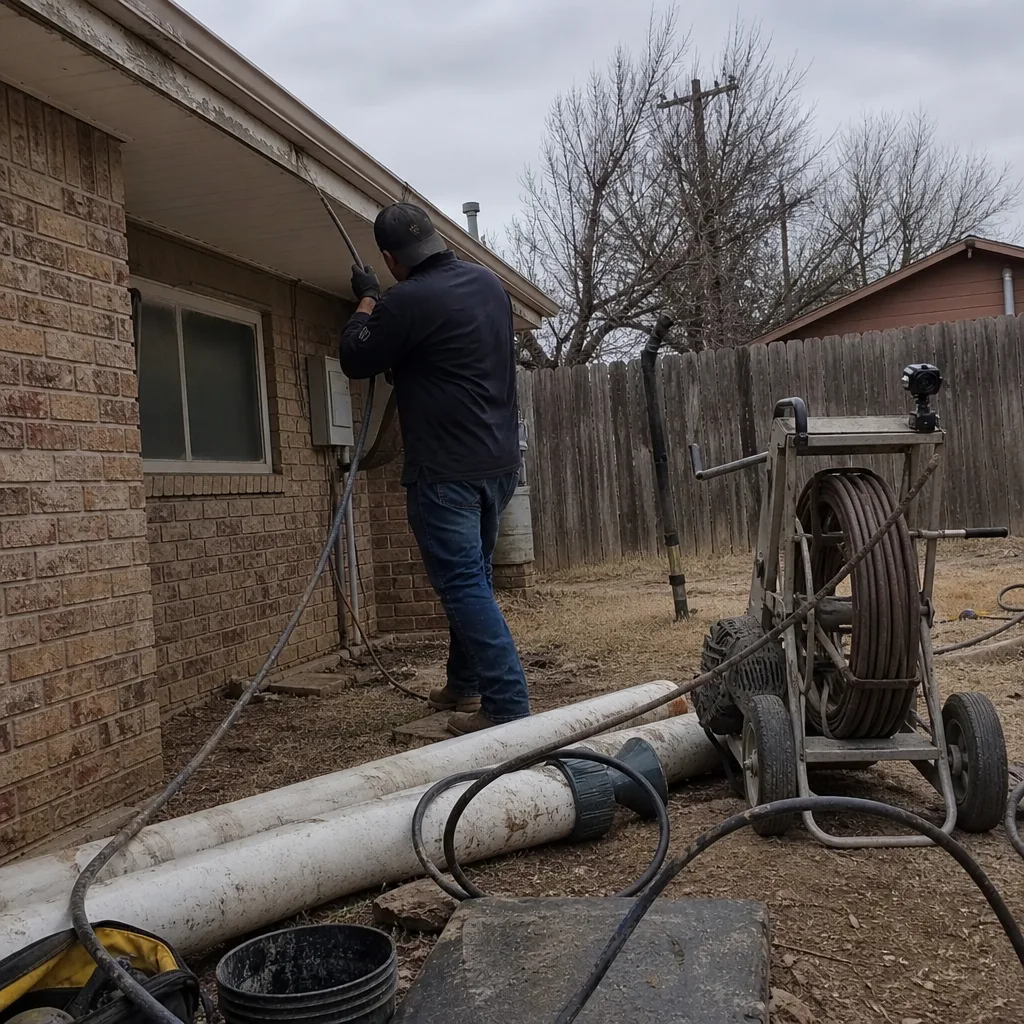 Before
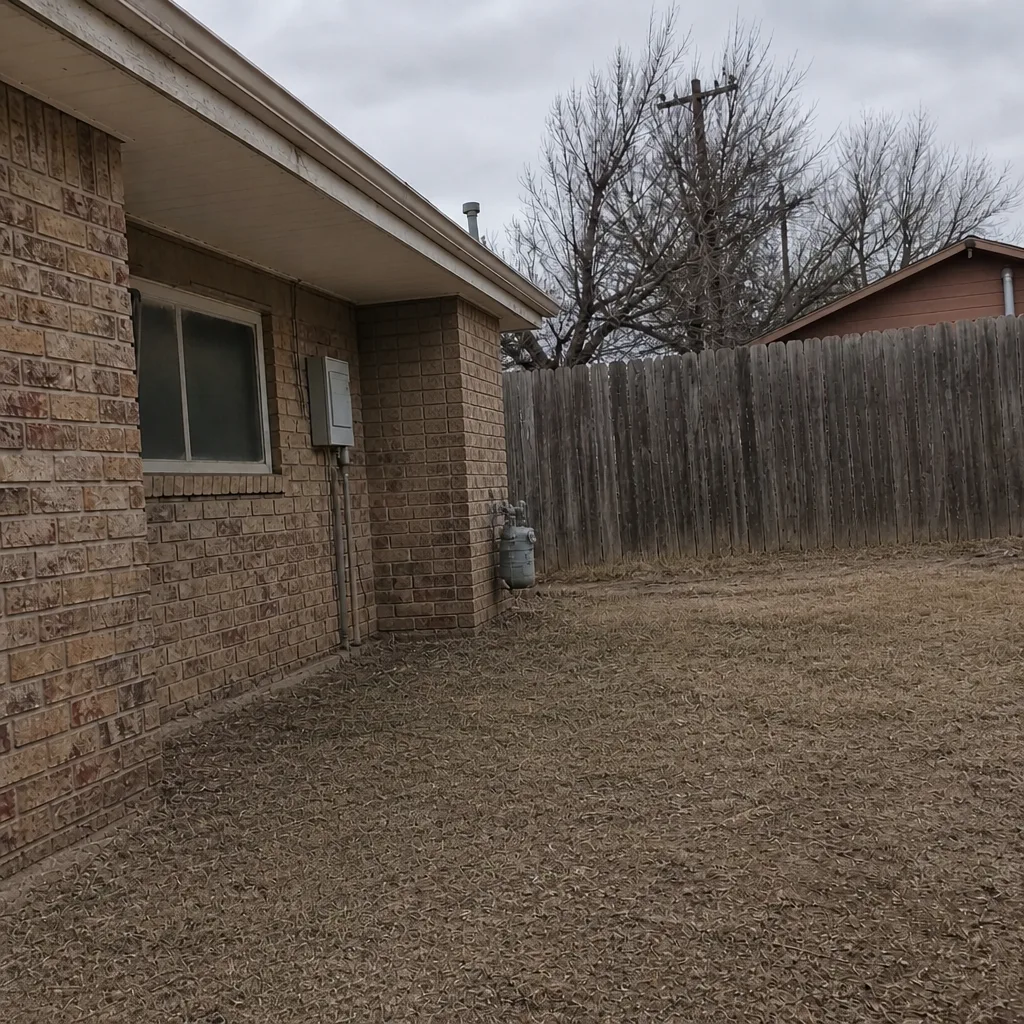 After
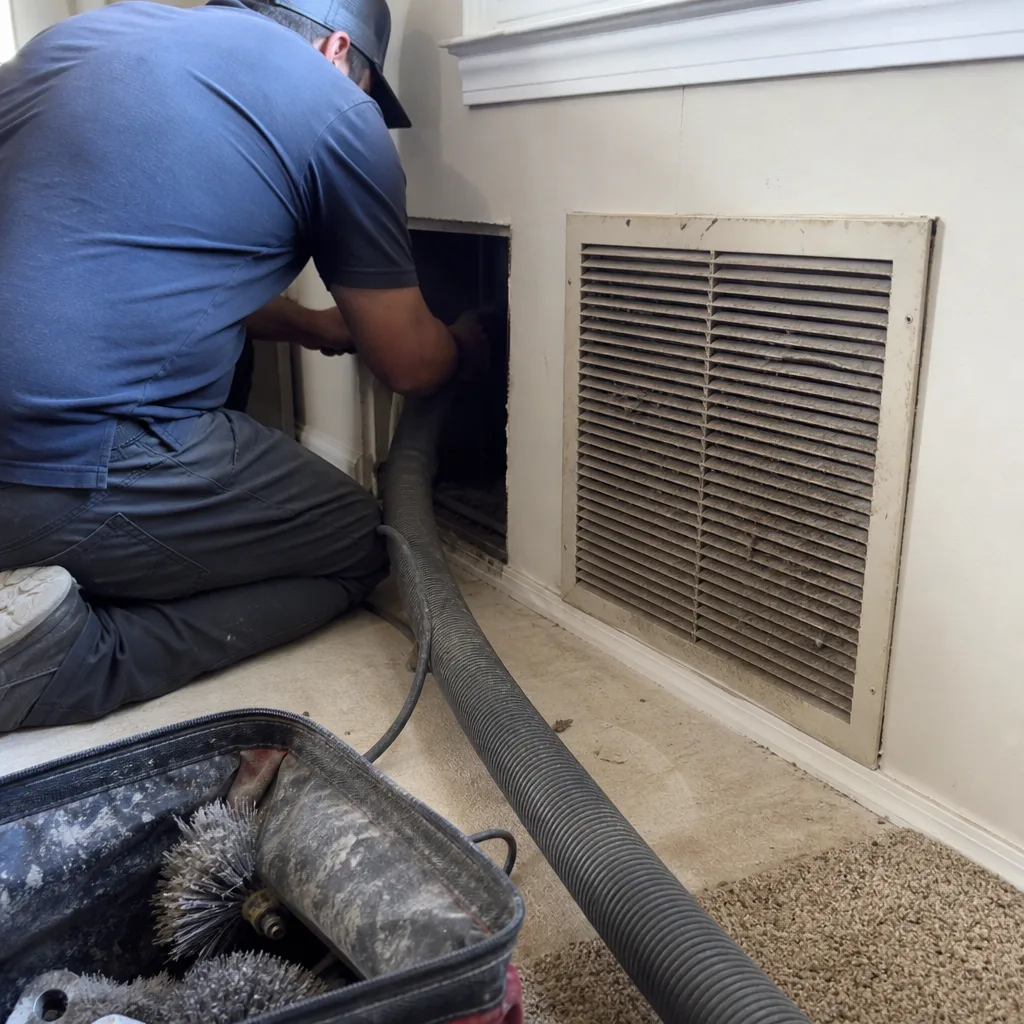 Before
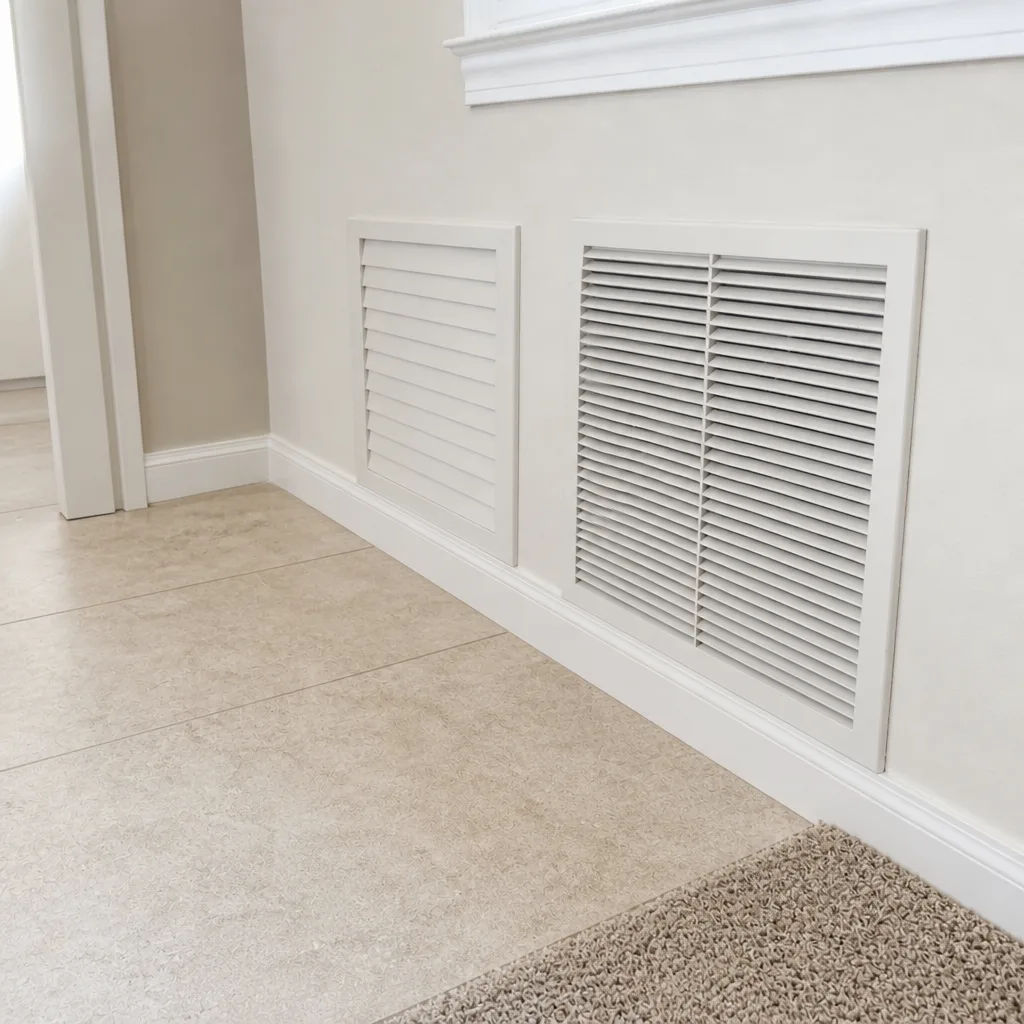 After
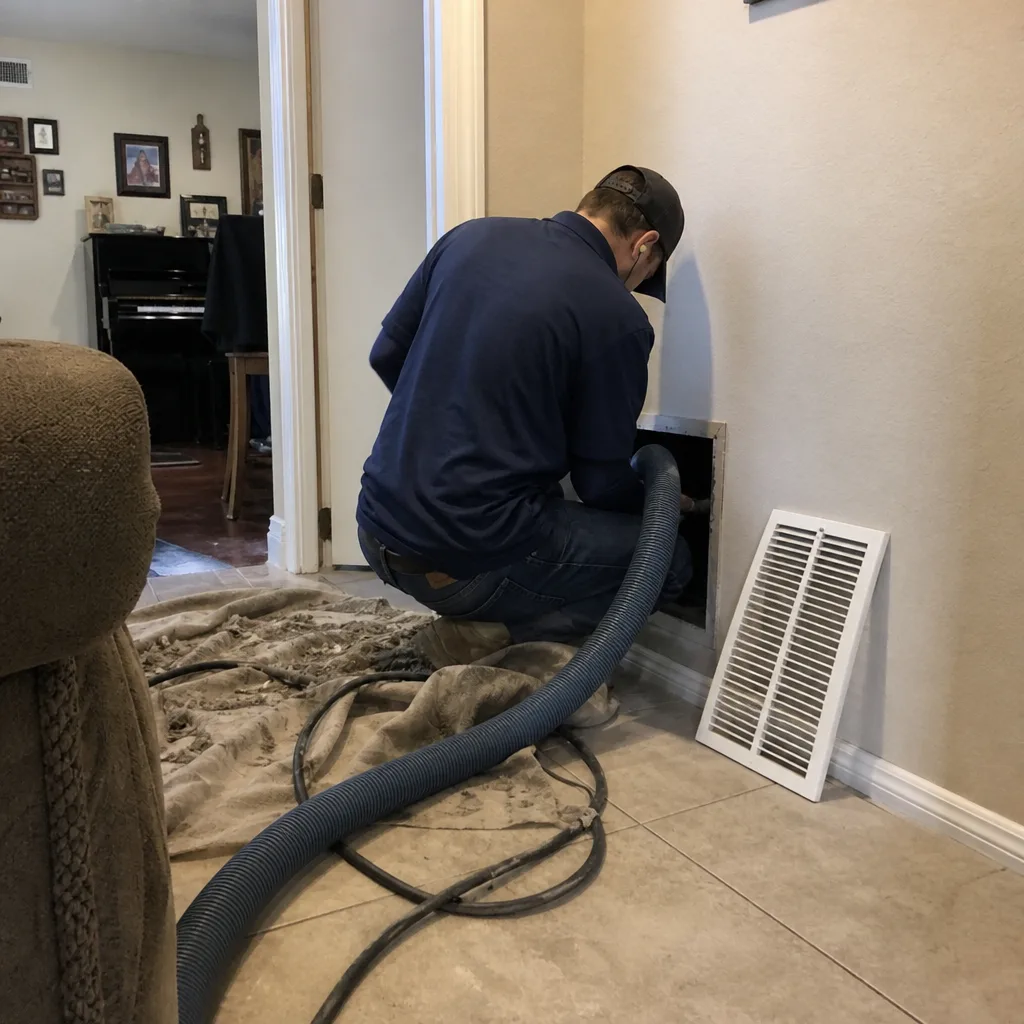 Before
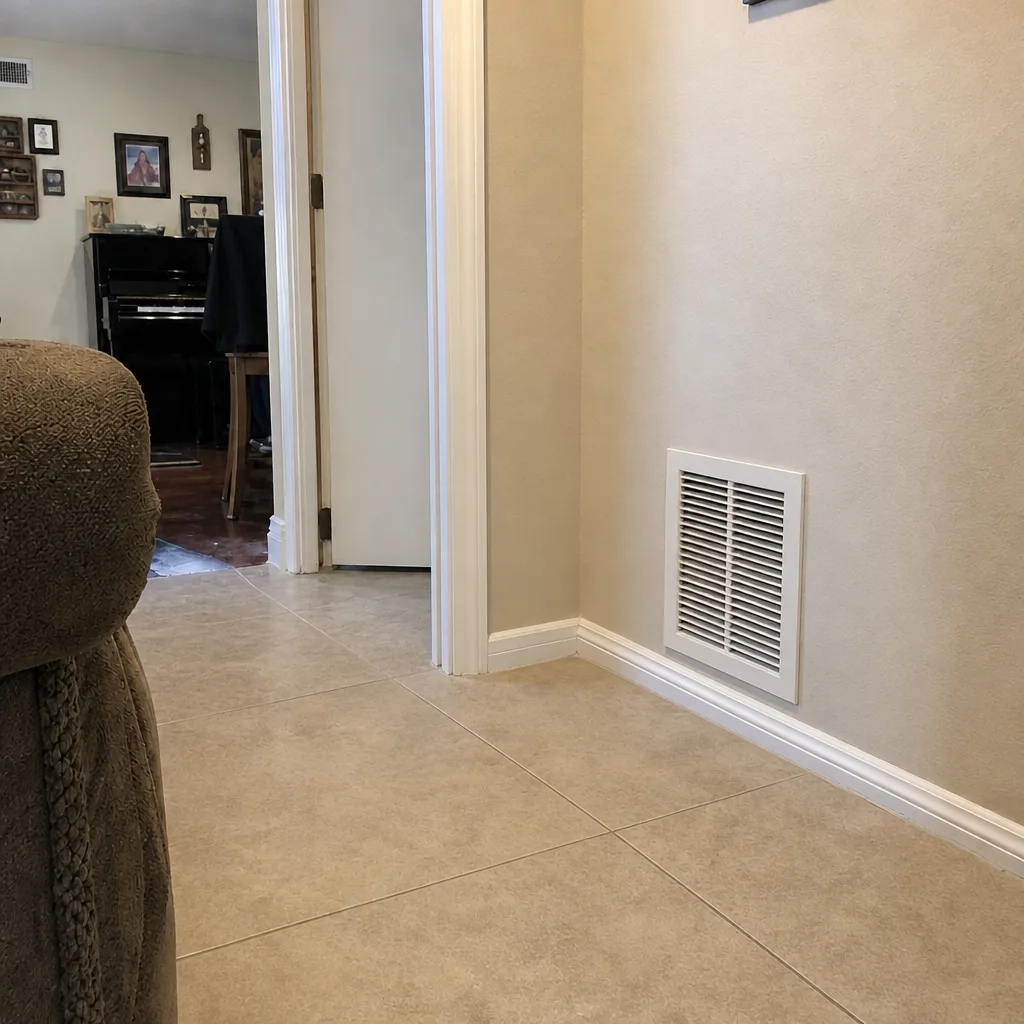 After
When to Call a Professional
Call a duct specialist if your odor fits the dusty-acrid or musty patterns, if you can see a dust plume from registers when the blower starts, if one room is consistently weak while the rest of the system runs fine, if you’ve had renovation work and the ducts haven’t been verified clean since, or if your dryer vent has gone more than a year without inspection. Call an HVAC technician instead if you smell metallic or burning plastic through your registers, since those can indicate a heat exchanger or insulation contact issue that’s outside duct cleaning scope. Call a professional the first time, and get the camera inspection before the cleaning quote.
Duct Cleaning Amarillo offers free estimates in Amarillo. Every estimate is priced per job by a written estimate, so the number you get is the number you pay. Call (866) 389-4505 to book an inspection.
Frequently Asked Questions
Pricing is per job, set by a written estimate, and there’s no per-vent rate. Whole-system ranges depend on square footage, how many runs the system has, whether duct repair is needed, and whether dryer vent service is included. Call (866) 389-4505 for an exact quote. Estimates are free, and the written number sets the final price.
Cheap quotes usually mean one of two things: a shop-vac crew without professional equipment, or a teaser price that turns into a much larger invoice once the technician is on site. The person pitching the low coupon price rarely has a rotary brush system, a real vacuum, or a camera to verify the work. Ask what equipment the service uses and whether before-and-after photos are included. Call (866) 389-4505 and we’ll walk you through what’s included in a real estimate.
You should get before-and-after photos of your own ducts, camera verification inside the runs, and a walk-through of the work at the end. If a company can’t produce pictures of your actual ductwork, you don’t know what happened behind your walls. Call (866) 389-4505 for an inspection and we’ll show you how the verification works.
It depends on the home, not a fixed calendar. A household with pets, allergy concerns, recent renovation, or a history of dust problems usually needs cleaning more often than a low-pet, low-renovation household. The diagnostic signs above are a better trigger than a number. Call (866) 389-4505 for a free estimate and a candid read on whether your system needs cleaning now or later.
Usually not. Uneven room temperatures typically signal a restriction or a duct leak, not a dirt problem, and cleaning alone won’t fix a crushed branch or a disconnected joint. That’s duct repair work. Call (866) 389-4505 and ask for a camera inspection before authorizing any cleaning.
No. Musty means moisture, and moisture needs to be corrected as well as cleaned. A wet drain pan or failed drain line in Amarillo’s cooling season can be the real source, and cleaning a duct with the moisture source still active just repeats the problem. Call (866) 389-4505 and we’ll help you trace it before we quote anything.
The Bottom Line
Dust on your registers is the end of the story, not the beginning. The real warning signs of overdue cleaning are an odor that comes back after a filter change, a puff from registers at blower start, and a dusty-acrid smell that fits Amarillo’s caliche-and-silica particulate. Uneven room temperatures, single weak rooms, and musty smells often point at repair work instead: duct leaks, crushed branches, or moisture sources. Catching that distinction before you buy a cleaning saves you a wasted visit. Start with a camera inspection, ask for before-and-after photos, and read the estimate against the diagnosis. If the answer is repair, that should be in the quote; if it’s cleaning, you’ll know it’s the right job with professional equipment. Whichever service you book, we answer the phone, we inspect honestly, and the written estimate sets the final price. For a free estimate and an inspection that actually tells you what’s going on inside the system in your Amarillo home, visit Duct Cleaning Amarillo or call (866) 389-4505. We answer 24/7. Fast dispatch from 7am to 7pm, Sunday through Friday. Our technicians have up to 9 years of experience.
Written by the team at Duct Cleaning Amarillo.