
Last updated November 15, 2026
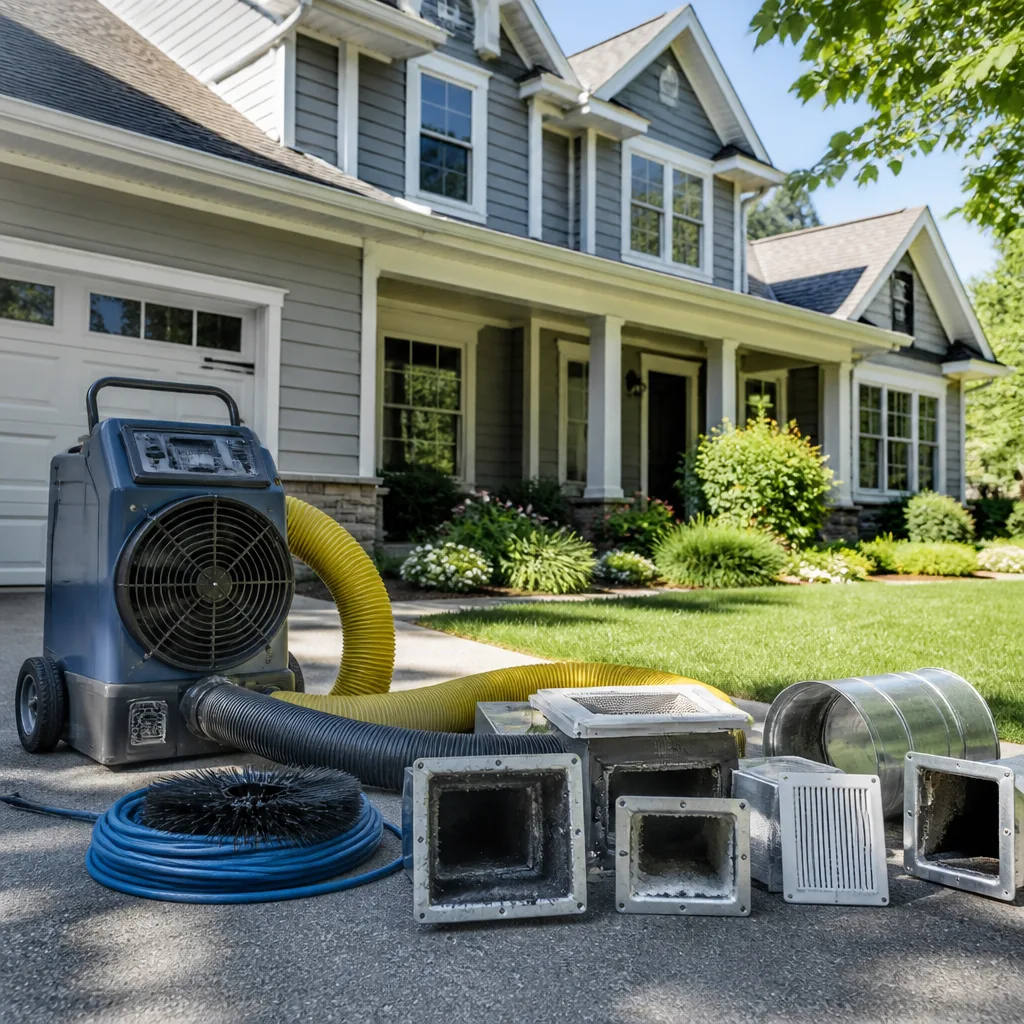 Whole-home duct cleaning
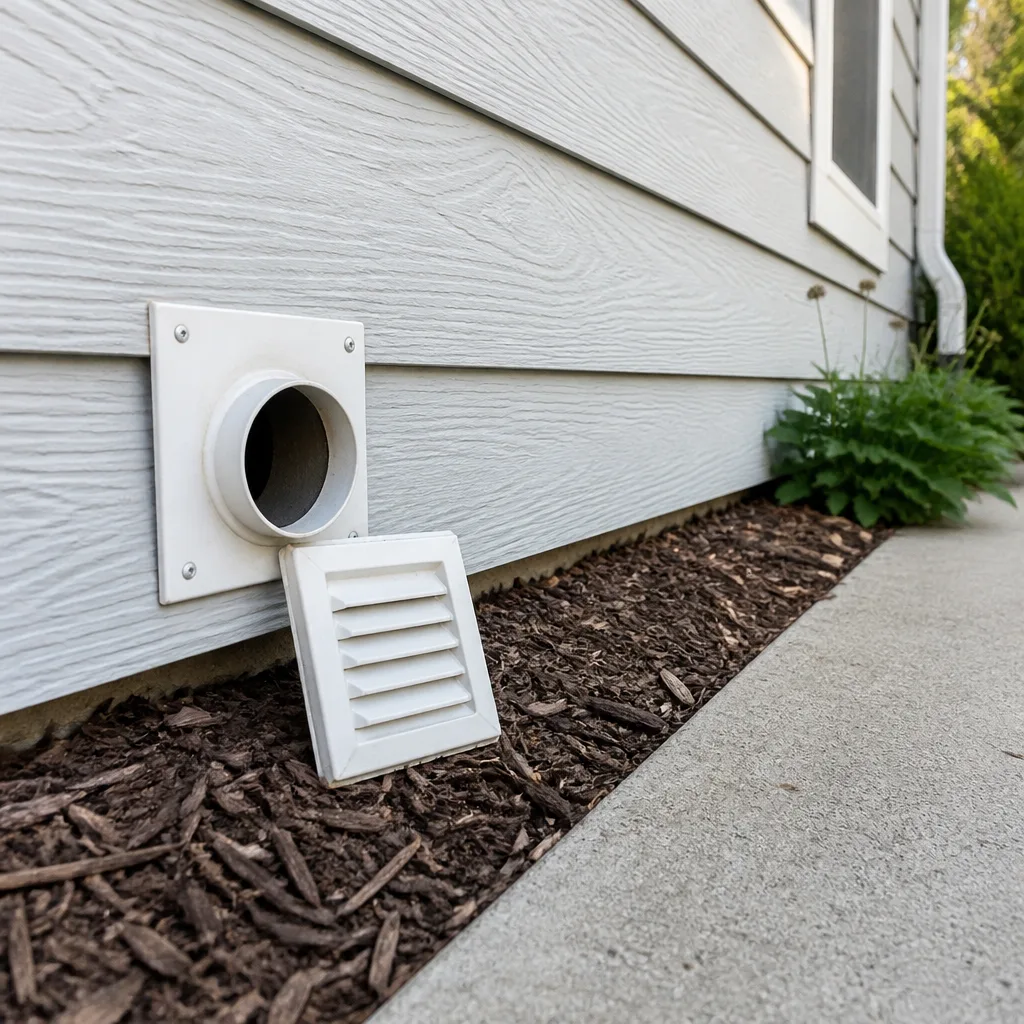 Dryer vent cleaning
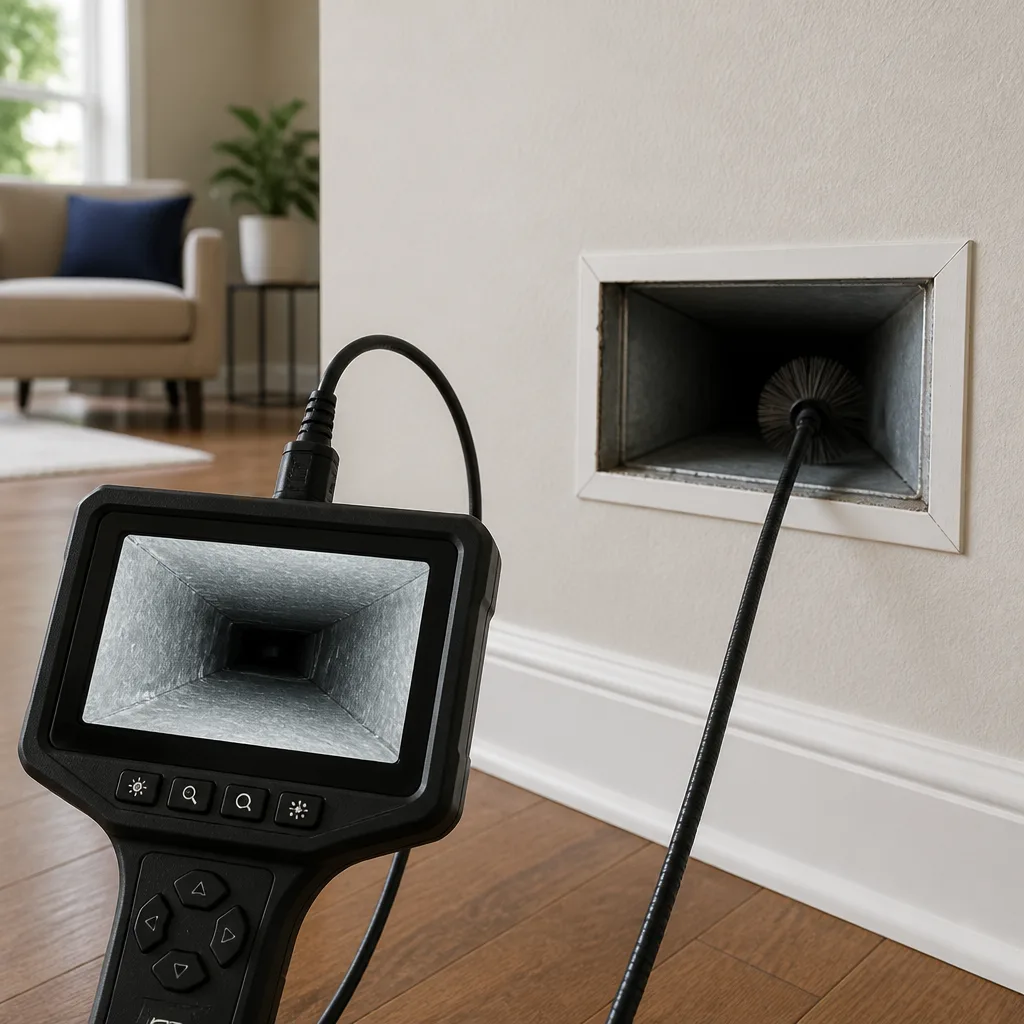 Camera inspection
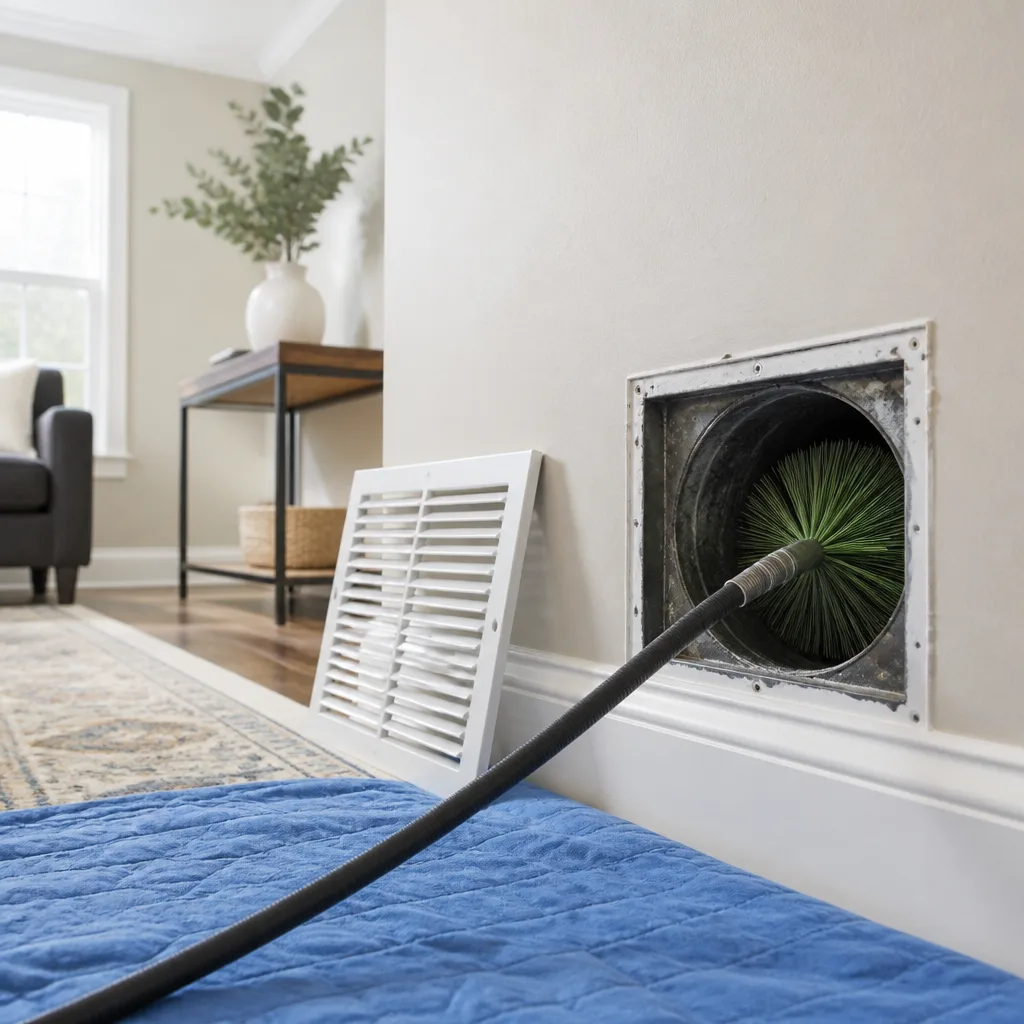 Sanitizing & deodorizing
Whole-system duct and dryer vent check with before-and-after photos - you see exactly what came out of your vents
That "$99 whole-house special" is a bait ad - the real number appears once they are in your hallway, or the "clean" is a shop-vac at the register. We photograph the inside of your ducts before and after instead.
Air Duct Cleaning Maintenance Schedule: What to Do and When
A single medium-sized dog sheds enough dander in a year to visibly coat the interior walls of a 6-inch flex duct run. Yet most duct maintenance schedules were written assuming a pet-free home, a clean-air climate, and occupants with no respiratory sensitivities. That’s the problem with the standard advice you’ll read everywhere: it hands you a fixed number of years and calls it a plan. In Amarillo, where wind-driven dust and caliche grit blow against every intake, the variables matter more than the average. This guide builds a maintenance schedule around your home instead of a generic calendar, and it tells you what to do between professional visits.
Quick Answer
Most homes in Amarillo should have their ducts professionally cleaned every 3 to 5 years, but that baseline shifts based on your specific conditions. Households with pets, smokers, recent renovations, or allergy sufferers should shorten the interval to every 2 to 3 years, and a home that has just been through major construction may need cleaning immediately regardless of the calendar. Between professional cleanings, change filters on a schedule that matches your filter’s MERV rating, wipe vent grilles quarterly, and check accessible flex duct connections once a year.
Styles & brands we work with
- Whole-home duct cleaning
- Dryer vent cleaning
- Camera inspection
- Sanitizing & deodorizing
Table of Contents
- Why a Fixed Cleaning Interval Fails Most Homes
- The Variable-Interval Schedule Matrix
- What to Do Between Professional Cleanings
- Filter Change Intervals by MERV Rating
- Amarillo Dust Events and What They Do to Duct Liner
- Syncing Duct Maintenance With Filter and Furnace Tasks
- Signs Your Schedule Needs a Reset
- The Annual Visual Check, Step by Step
Why a Fixed Cleaning Interval Fails Most Homes
The “every 3 to 5 years” rule is a starting point, not a prescription. It gets repeated so often that homeowners treat it as settled science, but it’s really just an average drawn from households that may look nothing like yours. The actual rate at which ducts accumulate debris depends on construction era, how many people and pets live in the house, whether anyone smokes indoors, whether the home has been renovated, and what the local air is carrying. Our technicians have up to 9 years of experience, and in that time we’ve learned that two houses on the same block can need very different schedules.
Construction era matters more than most people expect. Older homes often have ductwork with joints and seams that have loosened over decades, creating pockets where dust settles and stays. Homes built or remodeled in recent years may have tighter systems but can carry construction debris, drywall dust, and off-gassing residue from the build. Occupancy is the other big lever. A family of five with two cats loads the return air with far more particulate than a retired couple with no pets, regardless of what the calendar says.
The point isn’t to throw out the guideline. It’s to treat the 4-year baseline as the starting position and then adjust it. A schedule that reflects your actual home will save you money by avoiding unnecessary cleanings and protect your air quality by not skipping the ones you need. If you want to see what professional-grade cleaning involves before you plan the interval, the overview of duct cleaning in Amarillo walks through the process from inspection to final verification.
The Variable-Interval Schedule Matrix
Use this matrix to set your starting interval, then adjust as your household changes. The numbers are typical guidance, not a rigid rule. When in doubt, inspect rather than guess.
- Baseline household (no pets, no smokers, no allergy concerns): 4 years between professional cleanings.
- Pet household: subtract 1 year from baseline, so 3 years. A shedding dog or multiple cats pushes this further; heavy-shedding breeds warrant checking the interval sooner.
- Indoor smoker: subtract 2 years from baseline, so 2 years. Smoke residue deposits on duct walls and surface lining and doesn’t behave like ordinary dust.
- Allergy or respiratory-sensitive household: shorten to 2 to 3 years, and inspect the return air side more often.
- Post-renovation: clean immediately after major construction or drywall work, regardless of the last cleaning date. Then reset your interval from that point.
- New occupant with respiratory sensitivities: reset the schedule from the date you moved in if you don’t know the previous cleaning history.
- Recently purchased older home: assume the ducts are overdue until a professional inspection says otherwise.
Stack the modifiers if more than one applies. A pet-owning household with an allergy sufferer lands closer to 2 years than 3. A home that just finished a kitchen renovation and has a dog should be cleaned now and again in 3 years. These adjustments matter in Amarillo because the wind-blown dust load already pushes most homes toward the shorter end of each range. If you want a technician to size up your situation before you commit to a schedule, our air duct cleaning service starts with an inspection so the interval is based on what’s actually in the system.
What to Do Between Professional Cleanings
Professional cleaning resets the clock, but what happens between visits determines how fast the clock runs. The three habits that matter most are filter changes, grille wipe-downs, and a yearly visual check. None of them require special tools, and together they extend the usable life of your duct system.
- Change the filter on your MERV schedule. See the rating table below. A loaded filter stops catching particulate and can begin bypassing air around its edges.
- Wipe down supply and return grilles every quarter. A damp cloth on the face and fins of each register removes the dust layer before it gets pulled into the run.
- Vacuum around return air grilles monthly if you have pets. Hair collects on the grille face and restricts airflow before the filter ever sees it.
- Do the annual visual check of accessible flex duct connections once a year. Look at every joint you can safely reach for separation, crushing, or sagging.
- Keep the return path clear. Furniture pushed against return grilles starves the system and changes how dust settles in the ducts.
The quarterly grille wipe-down is the one most homeowners skip, and it’s the cheapest maintenance you can do. In Amarillo, a grille facing a room with a ceiling fan will dust up faster than one in a low-traffic hallway, so check them all rather than assuming one is typical. For the parts of the system you shouldn’t touch, a professional inspection is the right call. Structural problems inside ductwork are common enough that our air duct cleaning visits include checking for them, because a cleaning crew that can’t repair what it finds leaves you with a cleaner but still-broken system.
Filter Change Intervals by MERV Rating
Filter intervals depend on the rating and the loading rate, not just the calendar. Higher-MERV filters catch more, which means they load faster and need more frequent changes. The table below gives typical residential guidance; a dusty Amarillo spring or a shedding season can shorten any of these.
- MERV 1-4 (basic fiberglass or coarse pleated): change every 30 to 60 days. These catch large debris and little else.
- MERV 5-8 (standard pleated): change every 60 to 90 days. The sweet spot for most homes.
- MERV 9-12 (high-efficiency pleated): change every 60 to 90 days, but check monthly during dust season; these load quickly.
- MERV 13 and above: check monthly and replace as soon as loading is visible. High-MERV filters can also restrict airflow, so match the rating to what your system is rated to handle.
One filter fact homeowners miss: the loading rate itself tells you something. If a filter that used to last three months is loaded solid in three weeks, the ducts are shedding debris onto it. That’s a signal to inspect, not just to buy filters in bulk. We see this pattern regularly in Amarillo homes after a windy stretch. Honeywell and Aprilaire filtration products are worth considering if you want a system that’s easier to monitor, and we can talk through the options during an inspection.
Amarillo Dust Events and What They Do to Duct Liner
Amarillo sits in a part of Texas where wind and caliche soil combine to create dust events that push fine grit into every gap in a house. Caliche dust is different from typical topsoil dust. It’s mineral-heavy and abrasive, and it doesn’t settle the way soft organic dust does. When it gets pulled into a return, it can scour and cling to duct liner surfaces in a way ordinary house dust doesn’t, which is why the standard cleaning interval often underserves homes here.
After a significant dust event, do a quick inspection of the accessible parts of your system:
- Check the return filter. If it’s visibly loaded or coated in fine grit, replace it now rather than waiting for the calendar date.
- Look at the return grille face. A visible film of tan or reddish dust suggests the filter is being bypassed.
- Check supply registers for blowing dust when the system first kicks on after the event.
- Note any new dust trails near ceiling registers or along the ceiling line.
- Smell the return air. A musty or earthy smell after a dust event warrants a professional inspection.
Dust events are also one of the reasons a fixed 4-year interval doesn’t fit Amarillo well. A home near open ground on the west side of town can see substantially more grit load than a sheltered property. Ambient particulate control is where equipment like Abatement Technologies filtration tools earns its keep, catching fine material that basic vacuuming can miss.
Syncing Duct Maintenance With Filter and Furnace Tasks
The single biggest scheduling improvement most homeowners can make is to stop treating duct cleaning, filter changes, and furnace tune-ups as separate errands. Bundle them so one service call covers multiple systems and one calendar reminder covers all of it.
- Pick a single seasonal anchor. Late fall, before heating season, is the natural time. If your ducts are due this year, book the cleaning close to your furnace tune-up so the technician can look at both.
- Set your filter change reminders off the same anchor. If you change the filter on the first of each quarter, and your filter interval is 90 days, they line up automatically.
- Move the filter reminder, not the duct cleaning, after a dust event. Clean the filter immediately and let the duct schedule stay put unless the inspection says otherwise.
- Do the grille wipe-down on the same day as the filter change. Same task, same trip around the house, so it’s a single habit and it doesn’t drift.
- Log the dates. Write the cleaning date and filter changes in one place. When you sell the home, the record is worth having.
Dryer vent cleaning deserves its own line on that calendar. It’s a fire-safety task, not a duct convenience, and it should be done on its own interval regardless of the air-side schedule. Our dryer vent cleaning service handles it as a standalone job for exactly that reason. The same annual visual inspection you do on accessible flex duct can cover the dryer vent run while you’re at it, and a professional cleaning can clear what you can’t reach.
Signs Your Schedule Needs a Reset
The calendar is a guide, not a verdict. Several signals mean you should inspect and possibly clean regardless of where you are in the interval. Ignoring them is how a well-planned schedule drifts out of sync with the home.
- Visible debris at supply registers. If you can see dust, lint, or grit on the register face, the run behind it is carrying debris.
- A spike in filter loading rate. Filters that clog far faster than they used to point to a new debris source upstream.
- New occupants with respiratory sensitivities. Someone moving in with asthma or allergies is a reason to inspect, not to wait.
- A musty or stale smell when the system runs. Odor that appears only when the air handler cycles on usually comes from the duct interior.
- Visible dust trails on ceilings or walls near registers. This can mean a joint has opened and is blowing air into the ceiling cavity.
- Recent water intrusion or a roof issue. Moisture inside ductwork is a serious matter and warrants prompt professional inspection.
- A recent renovation. Drywall dust and construction debris belong in a professional cleaning, not a home vacuum.
Any of these is enough to move the schedule up. None of them is a reason to attempt interior duct work yourself, especially if the system has a component you can’t confirm is safe to open. When in doubt, book an inspection and let the assessment set the date.
The Annual Visual Check, Step by Step
This is a look, not a repair. The goal is to catch obvious problems and know when to call. Stop at any point where the component seems damaged or loose, and leave the fix to a professional.
- Turn the system off at the thermostat before you start, so it can’t kick on while you’re looking.
- Remove and inspect each return grille. The filter should sit flush with no visible gaps at the edges.
- Look into accessible flex duct runs where they connect at the plenum or at a trunk takeoff. Check for crushed sections, sagging runs, separated joints, or tape that has failed.
- Check the supply registers for debris and dust film after a short run of the system.
- Follow the dryer vent run if it’s accessible, and note any kinks or crushing.
- Write down anything that looks wrong so you can describe it accurately when you call.
If you spot a separated joint or a crushed run, that’s an air duct repair, and most cleaning-only companies can’t help with it. Our air duct cleaning includes the repair capability, so a discovered issue doesn’t leave you hunting for a second contractor. That full-scope approach is part of why we use Guardsman surface protection during the work. If your inspection turns up anything that looks structural, book a professional look rather than taping over it yourself.
Common Mistakes to Avoid
- Following the 3-to-5-year rule blindly. It ignores pets, smokers, and construction, and it was never written for Amarillo’s dust load. Adjust it to your home.
- Mismatching the filter interval to the loading rate. Three months is not a law. If the filter is solid at six weeks, change it at six weeks.
- Buying the cheapest high-MERV filter. A restrictive filter that your system wasn’t rated for can cut airflow and stress the blower. Match the rating to the equipment.
- Skipping the grille wipe-down. It takes minutes and extends the life of every run behind the register.
- Assuming the dryer vent is fine because the dryer still dries. Reduced drying time is the finishing signal, not the first warning, and the vent fire risk builds quietly.
- Ignoring a musty smell. Odor at the register means something is living in the duct interior. Get it inspected.
- Hiring on price alone. If a quote is implausibly cheap, ask what equipment they’ll actually bring. The professional systems from Nikro and Rotobrush behind the work are built for the job, not the price point.
See the difference
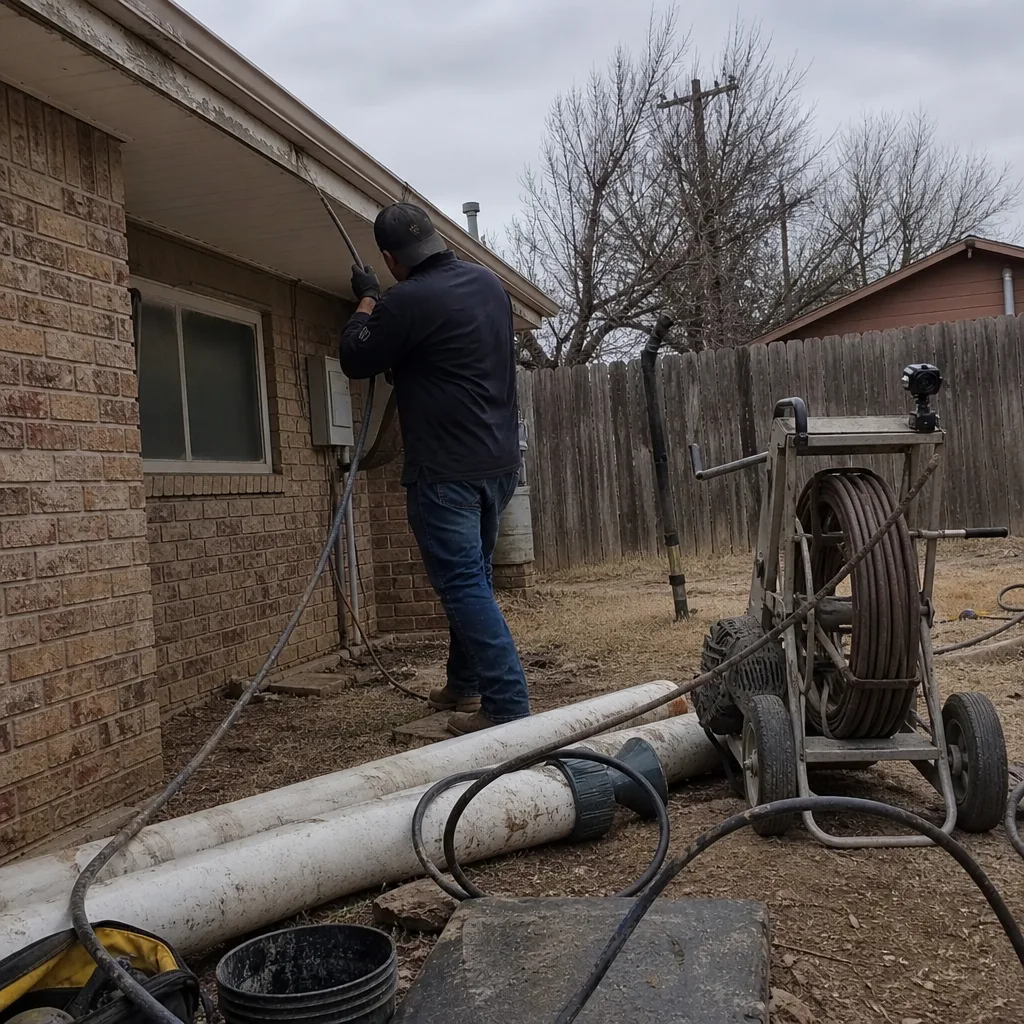 Before
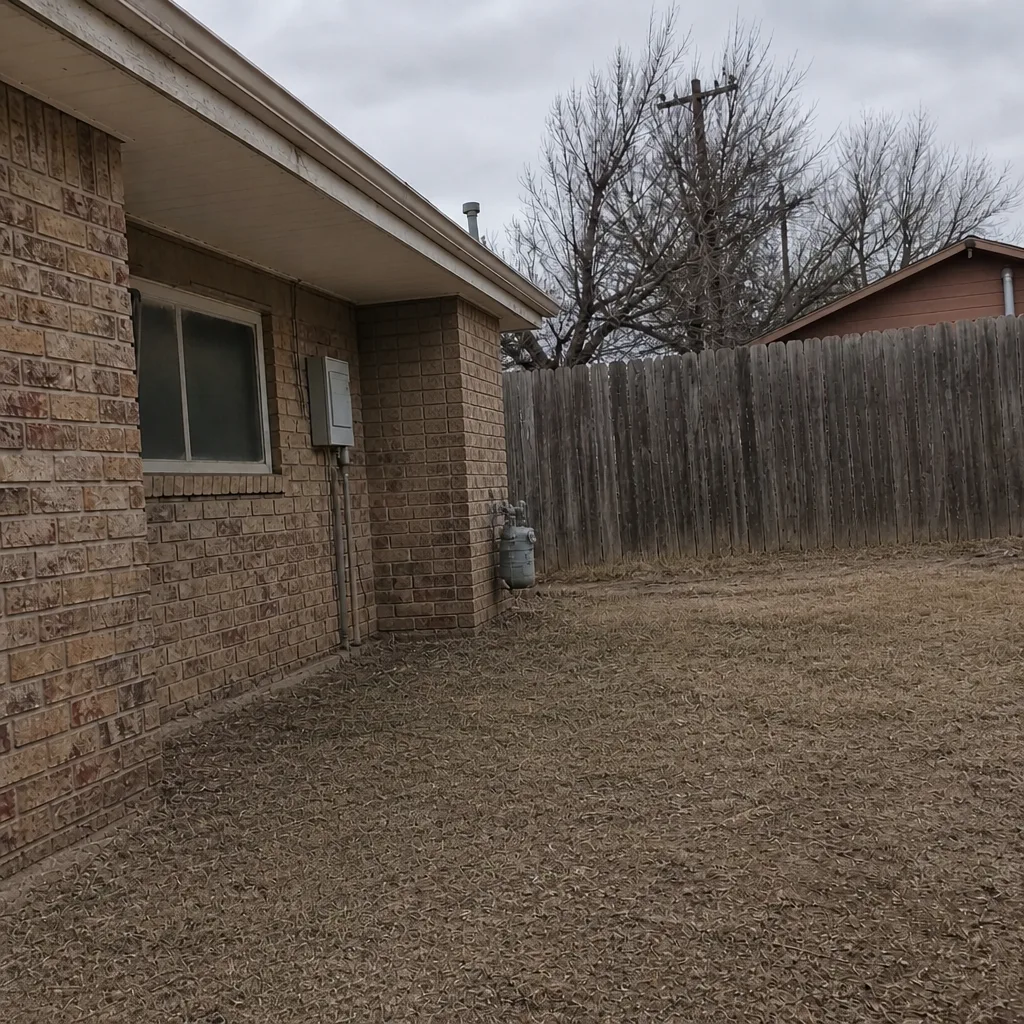 After
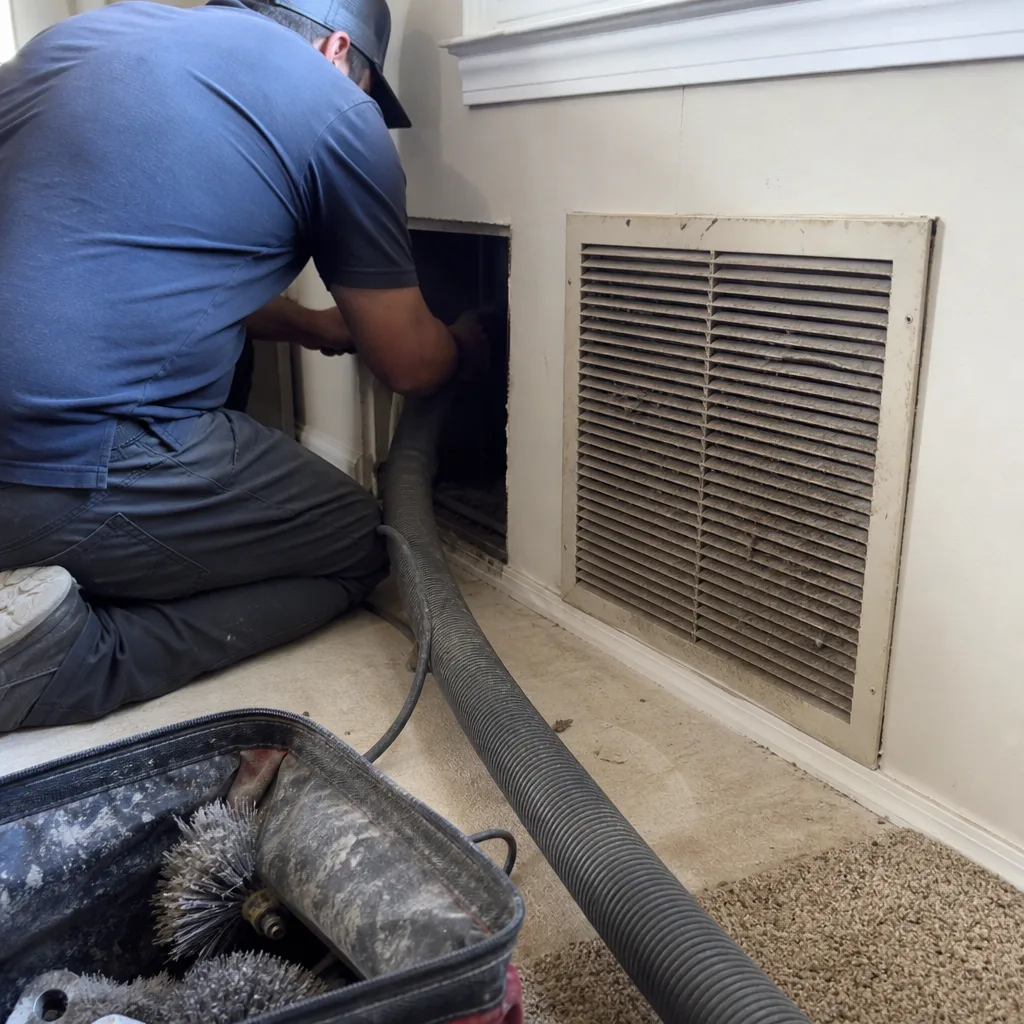 Before
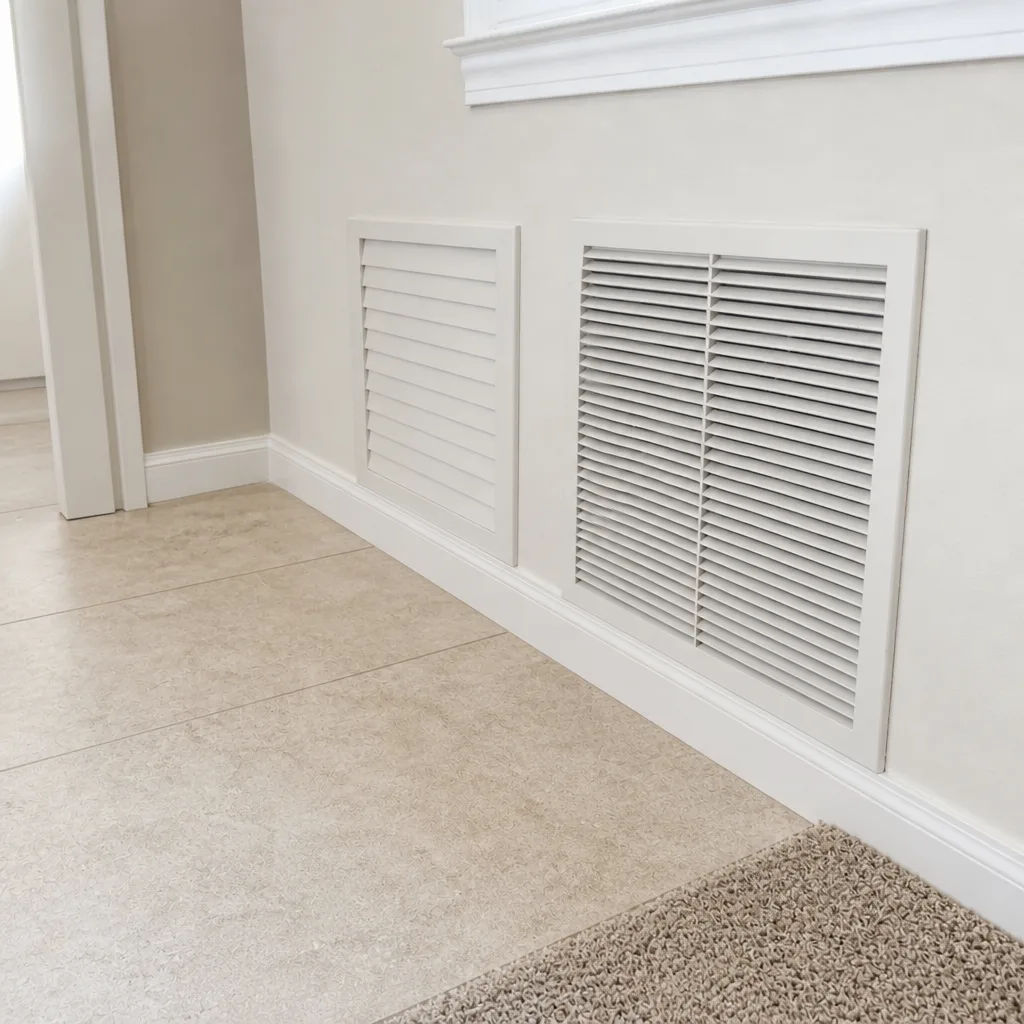 After
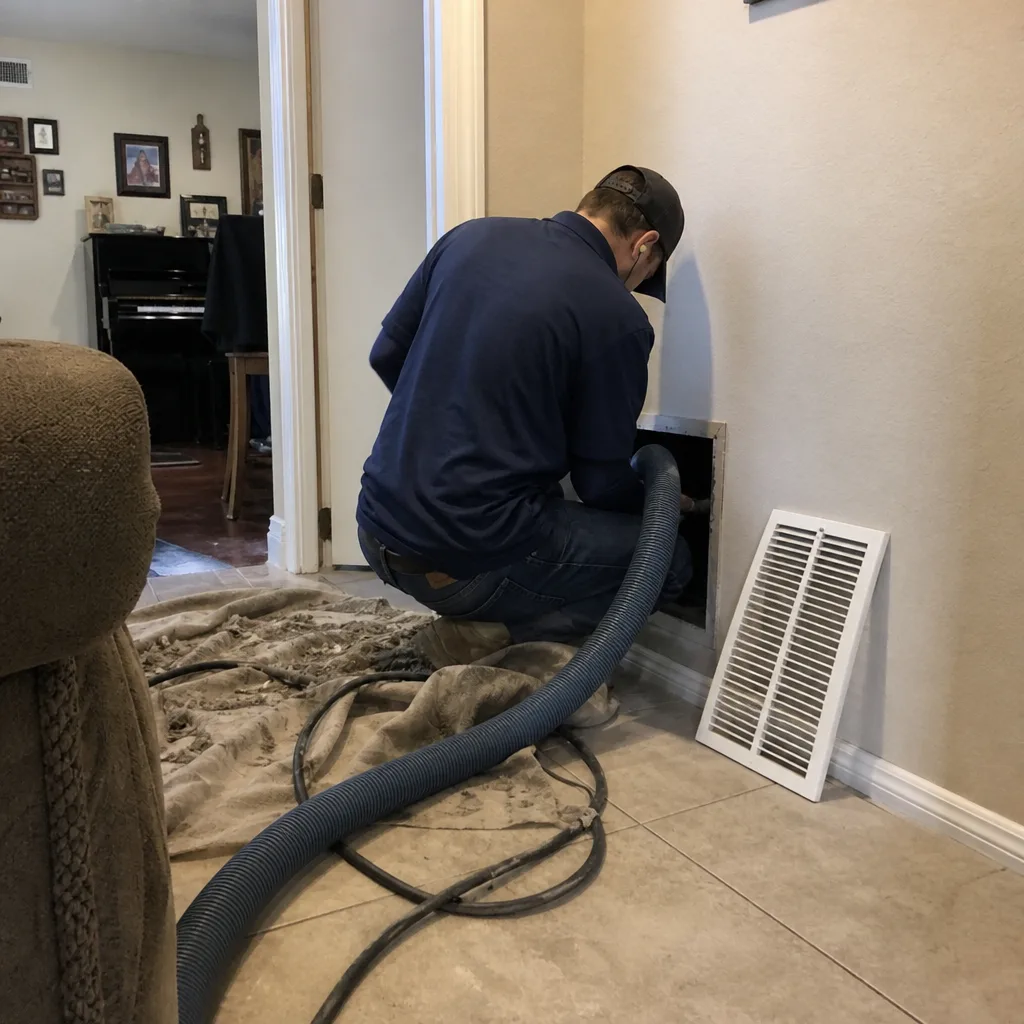 Before
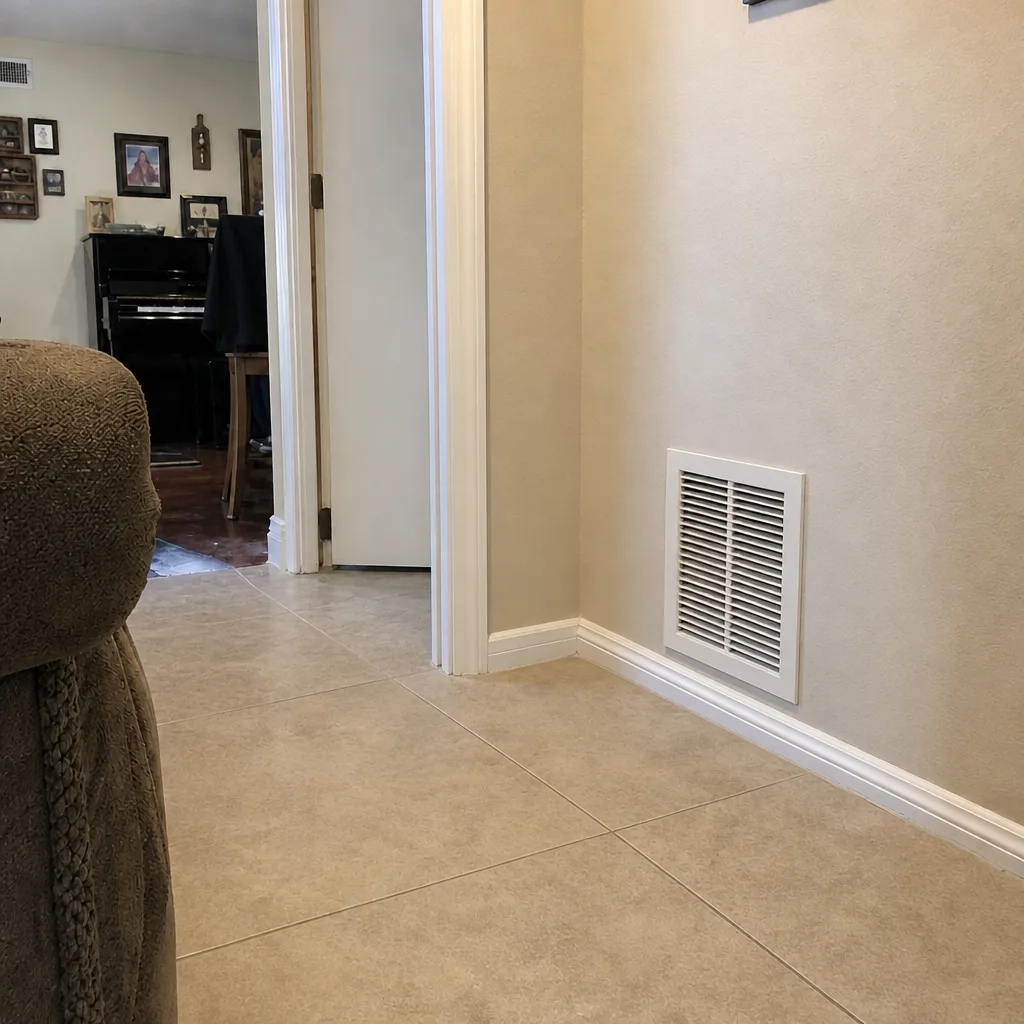 After
When to Call a Professional
Call us when the schedule gets complicated. If you’ve got pets and someone with allergies in the same house, if you’ve just finished a renovation, if you’ve spotted a separated flex duct or a crushed run, or if a dust event has left grit in your registers, a professional inspection will settle the scheduling question in one visit. The same goes for a dryer vent that’s been running longer than usual, or any musty smell you can’t track down. The estimate is free, and the assessment comes before any pressure to book. Duct Cleaning Amarillo offers free estimates in Amarillo, and we’re equipped to clean, repair, and recommend the right whole-home filtration solutions when they’re genuinely warranted. Call (866) 389-4505. We answer 24/7. Fast dispatch from 7am to 7pm, Sunday through Friday.
Frequently Asked Questions
Most Amarillo homes should be cleaned every 3 to 5 years, but the dust load here pushes many toward the shorter end. Households with pets, smokers, or allergy concerns should plan on 2 to 3 years, and homes that have just been renovated should be cleaned immediately. Call (866) 389-4505 for an exact schedule that fits your home; estimates are free.
It depends on the size and layout of your system, so a professional quote is the only honest answer. What you should insist on is a single flat price per system agreed before any work starts, with no per-vent pricing and before-and-after photos of your own ducts. Call (866) 389-4505 for an exact quote; estimates are free.
Yes. Drywall dust and construction debris are heavier and more abrasive than ordinary house dust, and a home vacuum won’t pull them out of the runs. Clean immediately after major work regardless of when the last cleaning was, then reset your interval from that date. Call (866) 389-4505 to book an inspection; estimates are free.
Ask for before-and-after photos of your own ducts, not stock images. A company that can’t show you the interior of your system before and after is asking you to take a lot on faith. We document the work for that reason. Call (866) 389-4505 for a free estimate and ask what you’ll receive.
Usually because the equipment and the scope are different. A shop-vac and a brush is not the same job as professional rotary-brush and vacuum systems from Rotobrush and Nikro that inspect, clean, and repair the way HVAC pros do. If a quote seems implausibly low, ask exactly what’s included. Call (866) 389-4505 for a written estimate.
It depends on the length of the run, how many loads you dry per week, and whether the vent terminates on the roof or the side wall. Lint accumulation is a fire-safety concern, not a maintenance checkbox, so have it inspected if you can’t remember the last time it was done. Call (866) 389-4505 to book a dryer vent inspection; estimates are free.
The Bottom Line
The 3-to-5-year cleaning rule is a starting point, not a plan. Build your own interval from the variables that actually drive debris accumulation in your home: pets, smoking, renovation history, occupancy, and allergies. In Amarillo, add dust events and caliche grit to the calculation, because the local air pushes most schedules shorter. Handle the between-visit maintenance yourself (filter changes matched to your MERV rating, quarterly grille wipe-downs, an annual visual check), and let a professional handle anything structural or interior. Sync the whole schedule to a single seasonal anchor so it doesn’t drift. If you’re unsure where to start, an inspection will tell you everything the calendar can’t.
Written by the team at Duct Cleaning Amarillo.