
Last updated November 15, 2026
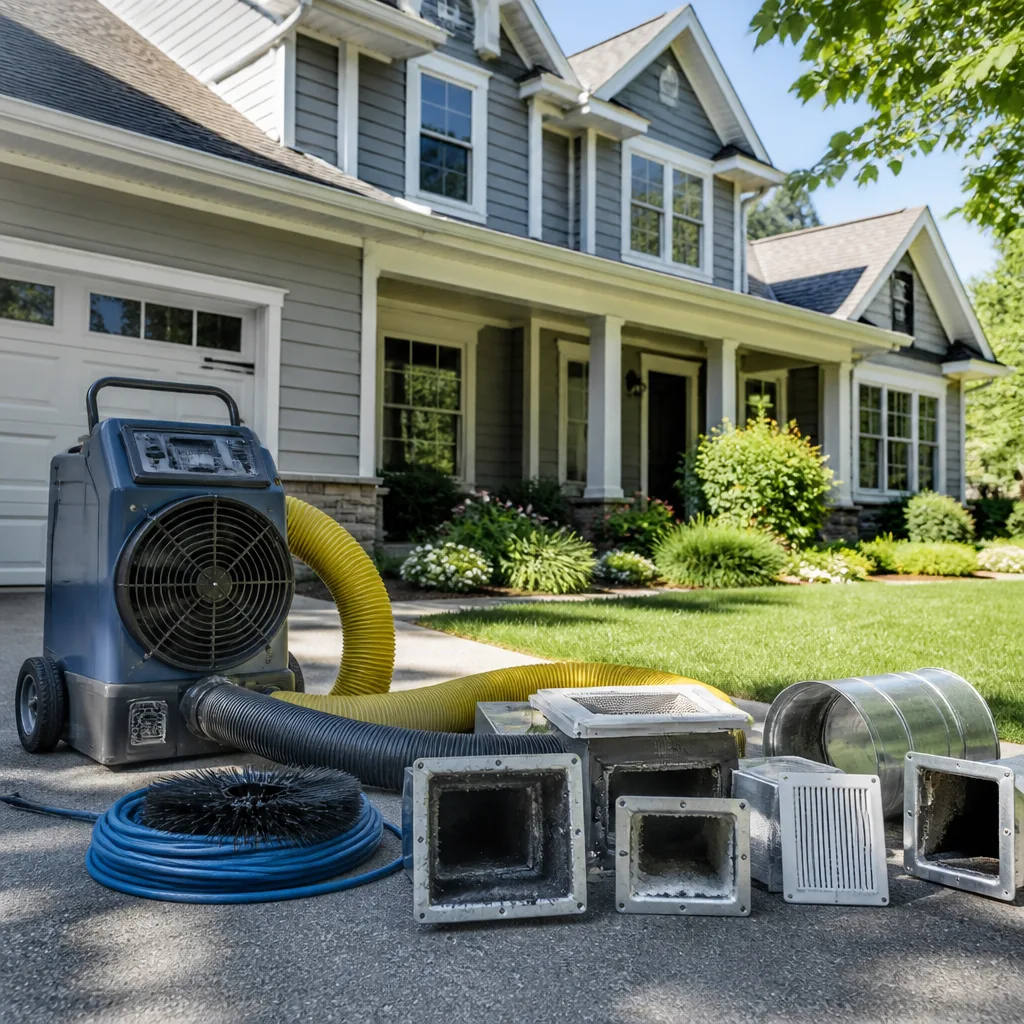 Whole-home duct cleaning
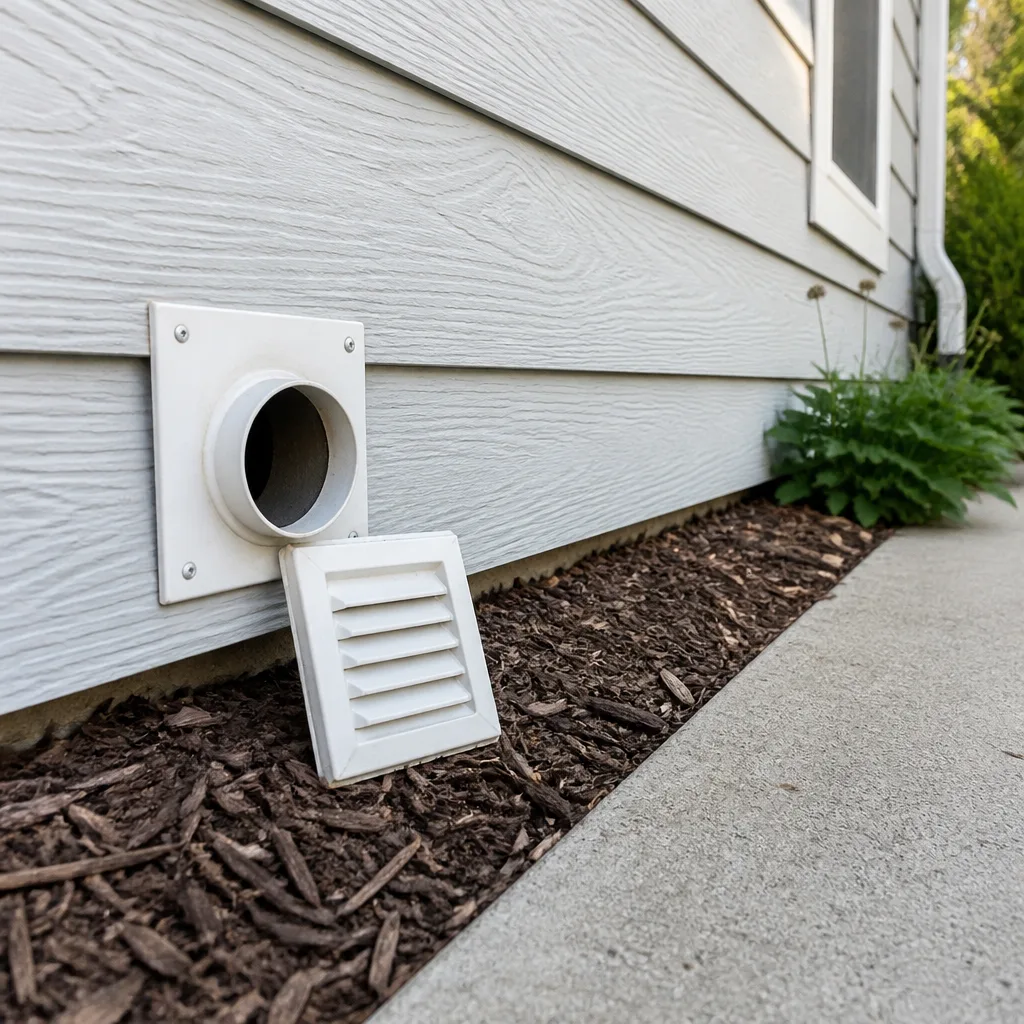 Dryer vent cleaning
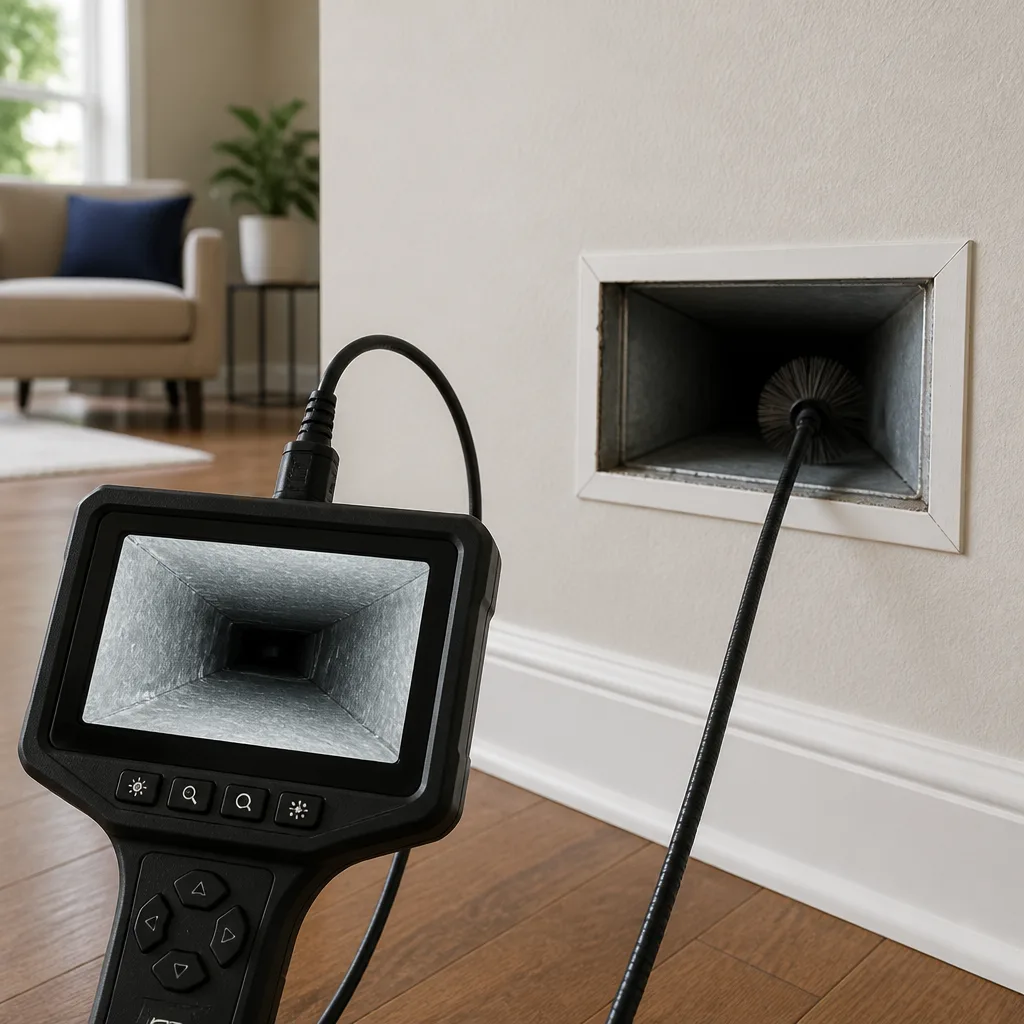 Camera inspection
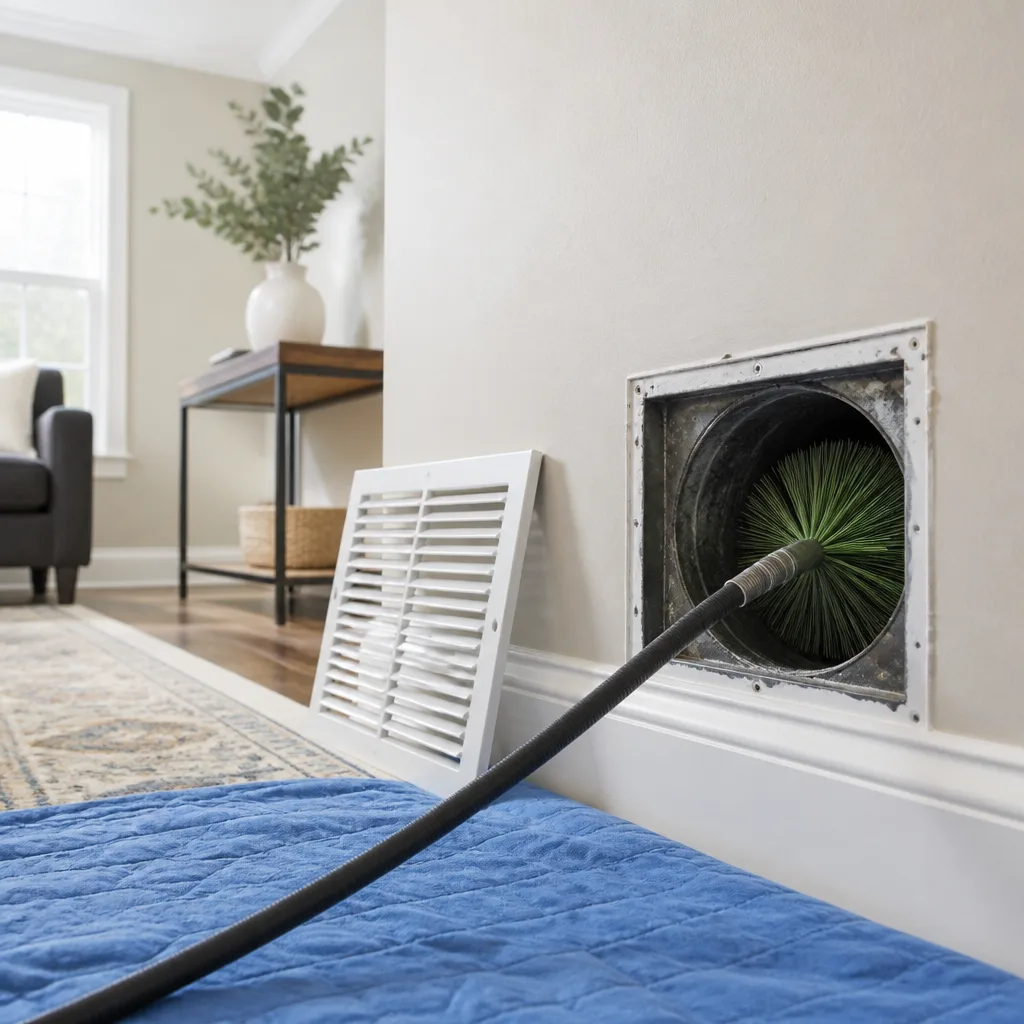 Sanitizing & deodorizing
Whole-system duct and dryer vent check with before-and-after photos - you see exactly what came out of your vents
That "$99 whole-house special" is a bait ad - the real number appears once they are in your hallway, or the "clean" is a shop-vac at the register. We photograph the inside of your ducts before and after instead.
Air Duct Cleaning Permits, Codes & Inspections in Amarillo, TX: What You Need to Know
A duct cleaning company that finds a collapsed flex run and replaces it on the spot without a permit isn’t doing you a favor. They’re creating a code violation that can complicate your home sale inspection or your insurance claim later. Most homeowners assume ductwork lives in a legal gray zone – sealed inside walls and ceilings, rarely inspected, easy to modify without anyone noticing. That’s the misconception. Cleaning your ducts usually needs no permit, but the moment a technician cuts, reroutes, or replaces a section of duct, Texas mechanical codes and City of Amarillo permitting rules apply. This guide walks through where that legal line sits, how Amarillo handles mechanical permits, and what a home inspector will look for in your ductwork before closing day.
Quick Answer
Cleaning air ducts in Amarillo does not require a permit. Mechanical repairs, modifications, or replacements of ductwork do require a mechanical permit from the City of Amarillo’s Development Services department, and the work must comply with the International Mechanical Code as adopted by Texas and amended locally. Mold remediation inside ductwork can cross into regulated abatement territory under Texas Department of State Health Services rules, which carries separate contractor credential requirements.
Styles & brands we work with
- Whole-home duct cleaning
- Dryer vent cleaning
- Camera inspection
- Sanitizing & deodorizing
Table of Contents
- Where the Legal Line Sits: Cleaning vs. Mechanical Repair
- Which Codes Actually Apply to Ductwork in Amarillo
- How Permits Work Through Amarillo Development Services
- When Duct Contamination Crosses into Regulated Mold Work
- What a Home Inspector Looks For in Your Ductwork
- Your Right to Duct Modification Documentation
- Why Texas Regulates Ductwork the Way It Does
- Common Mistakes to Avoid
Where the Legal Line Sits: Cleaning vs. Mechanical Repair
The distinction that matters most comes down to one question: is the ductwork being cleaned, or changed? Cleaning removes dust, debris, and buildup from ducts that stay in their existing shape and configuration. No permit applies because nothing about the mechanical system is being altered. A technician running a rotary brush through a return trunk is doing maintenance, and maintenance doesn’t trigger the permitting process.
The line moves when a technician removes, replaces, reroutes, enlarges, reduces, or connects any section of duct. That work counts as mechanical modification, and in Amarillo it’s regulated under the International Mechanical Code (IMC) as adopted and locally amended. Here’s the practical breakdown:
- No permit needed: Cleaning and sanitizing ducts, sealing small accessible leaks with mastic or approved tape, replacing air filters, cleaning the blower compartment and coils if within the same service.
- Permit required: Replacing a length of flex or rigid duct, adding a new supply or return branch, rerouting ductwork around a renovation, changing duct sizing, reconnecting a disconnected run, or replacing a duct section with a different material.
- Ask before assuming: Cutting a new register in a wall, converting a hard-duct run to flex, or any change to how much air a room receives.
Here’s what makes this slippery on a job site. A technician doesn’t need a permit to inspect your ducts, and while cleaning they can discover a collapsed flex run, disconnected joint, or crushed duct behind drywall. That discovery is normal. What happens next is where the legal line gets crossed. The proper order is to document the problem, photograph it, and explain that replacing the run requires a permit before work begins. If a company offers to “just fix it while we’re here,” ask whether they’re pulling the permit. If they say no, you’ve found out something useful before money changes hands.
If you want to understand the cleaning side better before the repair conversation, our air duct cleaning page covers how a professional-grade inspection and cleaning job actually runs.
Which Codes Actually Apply to Ductwork in Amarillo
Ductwork in Amarillo is governed by the International Mechanical Code (IMC) as adopted by the State of Texas and amended by the City of Amarillo. That sentence does more work than it looks like it does. Texas adopts model codes at the state level but lets cities amend them, and Amarillo’s local amendments govern how mechanical permits are reviewed and what the inspector looks for. You don’t need to memorize the code, but you should know the categories that get checked.
Duct material and construction
The IMC sets rules for duct materials – sheet metal gauges, flexible duct ratings, insulation requirements, sealant classes. When a duct run is replaced, the replacement has to meet these standards. This is why replacing a damaged run with a cheaper, thinner material can fail inspection even if it looks fine from the outside.
Clearances and support
Ducts need proper support intervals, correct clearances from combustibles where applicable, and adequate sealing at joints. Flex duct that sags between supports restricts airflow; sheet metal without correct fastening loosens over time. These are the details an inspector checks.
Connections to the air handler and registers
Every connection point matters. Duct-to-equipment connections, duct-to-register boots, and transitions between duct types are all inspected for security and sealing.
Combustion air and gas appliance venting
Ductwork near gas appliances has to preserve proper combustion air and not interfere with flue venting. If your ducts run anywhere near a furnace or water heater flue, this gets reviewed.
No permit applies to any of this at the cleaning stage. Only when a material, size, or configuration change occurs does the code kick in. The requirement is about catching modifications that could restrict airflow, leak conditioned air into unconditioned space, or affect safety.
How Permits Work Through Amarillo Development Services
Mechanical permits for duct modifications in Amarillo are handled through the city’s Development Services department, the same office that handles building, electrical, and plumbing permits. The permit process is straightforward for contractors who do this regularly. Here’s how a proper duct repair should run:
- Scope identification: The contractor documents what’s damaged – photos of the collapsed run, the disconnected joint, the crushed section – and identifies exactly what needs to change.
- Permit application: The mechanical permit application describes the scope: which ducts are being replaced or modified, the material, the sizing, and the location.
- Review and issuance: Amarillo reviews the application and issues the permit. Review timelines vary with workload at Development Services; ask the contractor what turnaround they’re quoting you.
- Work performed to code: The repair is done to IMC standards and Amarillo’s local amendments, with the permit posted or available for the inspector.
- Inspection and sign-off: A city inspector reviews the work, and the permit is closed. You should receive documentation of the finalized permit.
Not every duct repair needs a permit – some minor repairs in accessible locations may fall below the threshold. But that’s a judgment call the city makes, not the contractor. The homeowner-visible signal to look for is whether your contractor brings the permit question up before starting work. If you’re dealing with a contractor who sidesteps the question, that’s the moment to slow down.
One practical complication: duct repairs get discovered mid-clean. A technician finds a problem while cleaning, and the repair needs to happen before the system is reassembled. That means the sequence matters. The clean runs, the problem gets documented, the repair gets scoped, the permit gets pulled, and the repair can happen – either same visit or on a follow-up depending on timing. A contractor who can’t tell you how that sequence works on their jobs is telling you something about how they handle permitting in general.
When Duct Contamination Crosses into Regulated Mold Work
This is where a cleaning job can become a much different kind of job, and most homeowners don’t realize the rules change. Surface dust and debris cleaning is one thing. Removing active mold growth inside ductwork is another, especially in Amarillo’s dry climate where mold problems often trace back to a localized moisture source – a leaking condensate line, an improperly sealed duct in contact with unconditioned air, or a bath fan vented into the attic instead of outside.
When a cleaning company finds visible mold inside ducts, the honest answer is that the job may now cross into territory regulated under Texas Department of State Health Services rules. The DSHS regulates mold assessment and mold remediation as separate licensed activities, and both require specific credentials in Texas. In practice, that means:
- A contractor who isn’t DSHS-licensed for mold remediation cannot legally perform remediation work on mold contamination, even inside ducts.
- Assessment (identifying what’s there and how much) and remediation (removing it) are separate licensed activities under Texas rules. A single company can hold both, but each is licensed independently.
- Small amounts of surface mold on accessible non-porous surfaces may fall under the “mold abatement” exception to remediation licensing, but the boundary is defined by the Texas DSHS rule, not by the technician’s opinion on site.
- Any remediation that involves high levels of contamination, contaminated porous materials, or areas larger than the small-scale threshold requires licensed remediation.
The takeaway for an Amarillo homeowner is that a duct cleaning company shouldn’t pitch mold remediation as a service they’ll “take care of” unless they can show DSHS licensure for it. Cleaning equipment built for particulate removal – Abatement Technologies filtration systems, for example, which we use for advanced particulate and contamination control – is one part of the picture. Licensure to perform the regulated work is another. Duct cleaning companies that aren’t licensed for remediation should be honest about that boundary, because crossing it isn’t just a code issue: it can affect your ability to make an insurance claim later.
If you’ve had recent water damage, roof leaks, or HVAC condensation problems in Amarillo, it’s worth asking a technician to specifically look for mold indicators during the cleaning visit. See our Duct Cleaning Amarillo service overview for the scope of what a cleaning visit covers.
What a Home Inspector Looks For in Your Ductwork
Home inspectors in Amarillo approach ductwork from a “does it work, is it safe, is it properly assembled” perspective. They’re not doing a code-compliance review of every modification, but they will flag visible problems, and any flagged duct issue becomes a negotiating point in a real estate transaction. Here’s what a licensed inspector is looking at:
- Visible duct material and condition: Disconnected flex runs in attics, crushed or collapsed ducts, sagging runs with insufficient support, torn insulation, or ducts that have come loose from registers.
- Airflow at registers: Weak or absent airflow at a register often points to a disconnected or blocked duct behind the drywall or in the attic.
- Sealant quality at accessible joints: Taped or mastic’d joints that show signs of poor work, mismatched sealant types, or leaks at accessible connections.
- Duct tape (the real kind vs. the wrong kind): Standard cloth duct tape isn’t approved for permanent duct sealing under IMC; inspectors know the difference and flag it.
- Combustion appliance venting: Any ductwork that interferes with flue venting or combustion air for gas appliances gets flagged.
- Condensation and moisture staining: Water stains on duct insulation or ductwork in humid areas, which can point to a venting or moisture problem.
- Permit history awareness: Inspectors won’t always check permit records, but a homeowner disclosure or an obvious unpermitted modification on a recently renovated system often comes up in conversation.
What happens when a home inspector finds unpermitted duct modification? The seller has a disclosure obligation. If the modification is visible and looks like a recent change, a buyer’s agent can request documentation. Without documentation, the buyer can ask for the work to be brought into compliance, can reduce the offer, or can walk. That’s the real cost of an unpermitted repair – not the fine from the city, but the deal that stalls on a technicality during closing.
Pre-listing, a homeowner can head this off by getting a documented cleaning and inspection before listing. If problems turn up, they get fixed (and permitted, if needed) while you still control the timeline. Our Amarillo page covers the local service picture, including what a scheduled cleaning looks like on a home sale timeline.
Your Right to Duct Modification Documentation
A homeowner has a real, enforceable right to documentation of any mechanical work done on their house. You paid for the work; you get the paperwork. Unfortunately, most duct cleaning companies get away with handing over a one-page “work completed” invoice and calling it done. That’s not sufficient if the work included any modification to duct material, sizing, or configuration.
What documentation should look like after a duct modification or repair:
- Before-and-after photos of the specific ducts that were modified, not generic stock images.
- A written scope of work naming exactly which ducts were changed, and to what material and dimension.
- Permit number and final inspection sign-off if a permit was required.
- Material specification sheets for any replacement duct, sealant, or insulation.
- A written statement that the work was performed to IMC standards and Amarillo’s local amendments.
If you’re wondering whether a company typically provides this voluntarily, ask yourself one question: would they have it ready? A credible contractor who uses professional-grade equipment and knows the code will have these documents without being asked twice. A company that can’t produce them either didn’t pull the permit or didn’t keep the records, and either way that’s information you want before closing day.
We’ve seen enough duct repairs during cleaning visits to know the paperwork is what separates a real repair from a quick patch. When our technicians use Nikro and Rotobrush equipment, the inspection report that comes back includes photos of every section we can reach, and when repair is needed, that’s documented before anything is touched.
Why Texas Regulates Ductwork the Way It Does
Texas doesn’t regulate ductwork out of bureaucratic momentum. The mechanical code exists because duct systems move air into living spaces, and modifications to those systems can affect indoor air quality, energy use, and – in some cases – combustion safety. Governing codes are about three things:
- Airflow integrity: A rerouted or resized duct can starve a room of conditioned air, overpressure another, and throw the whole system out of balance. The IMC sizing and support requirements protect against that.
- Moisture and mold prevention: Ducts in unconditioned spaces that aren’t properly insulated, sealed, or supported can become condensation points in the right conditions. Texas takes mold contamination seriously enough to license assessment and remediation as separate activities.
- Combustion safety: A gas furnace or water heater that loses its combustion air supply because a duct was rerouted over a flue is a carbon monoxide risk. The code review catches this at permit stage.
Amarillo’s climate sits in a middle zone – dry enough that condensation issues are less automatic than in Houston, but cold enough in winter that duct insulation and sealing matter, and dusty enough in spring that the cleaning side of ductwork gets real attention. The intersection of dry, dusty, and windy conditions in Amarillo makes duct integrity a house-wide issue on top of a mechanical one. Sealed ducts keep dust out; leaking ducts pull it in. That’s a code reason and a practical reason at the same time.
Common Mistakes to Avoid
- Letting a cleaning tech repair a broken duct on the spot without asking about the permit. A collapsed flex run replaced in twenty minutes feels like a favor, but if the repair required a permit and none was pulled, the paperwork stops matching the house. Push back before the work starts, not after.
- Assuming duct cleaning always requires a permit. It doesn’t. Permits are for modification, not cleaning. If a company tells you a permit is required for a standard cleaning, that’s a sign they don’t understand the rules, and you should ask why.
- Ignoring mold indicators during a routine clean. Amarillo’s dry climate can hide moisture issues until they’ve spread. Any visible mold inside ducts should be assessed by someone who can address it under Texas DSHS licensing rules, not just vacuumed and reassured away.
- Selling a house with an undocumented duct repair. Home inspectors in Amarillo flag visible duct issues, and buyers ask for documentation. An undocumented repair becomes a renegotiation, sometimes at the worst possible moment.
- Accepting a one-line invoice for a duct modification. If the work involved replacing or rerouting duct, you should get photos, scope, and permit documentation. If you get a “work completed” line item instead, ask for the rest.
- Hiring a duct-cleaning-only company for a repair problem. Companies that only clean have two options when they find a problem: ignore it, or sub the repair out without pulling a permit. Neither serves you. A company that cleans and repairs, and knows the permitting rules, keeps the job accountable in one place.
- Letting dryer vent cleaning fall off the list. Dryer vents aren’t ductwork for the purposes of mechanical permits, but they’re a fire-prevention issue that Amarillo homes accumulate in – lint buildup behind a dryer is more dangerous than most of the duct dust that makes people call us in the first place.
See the difference
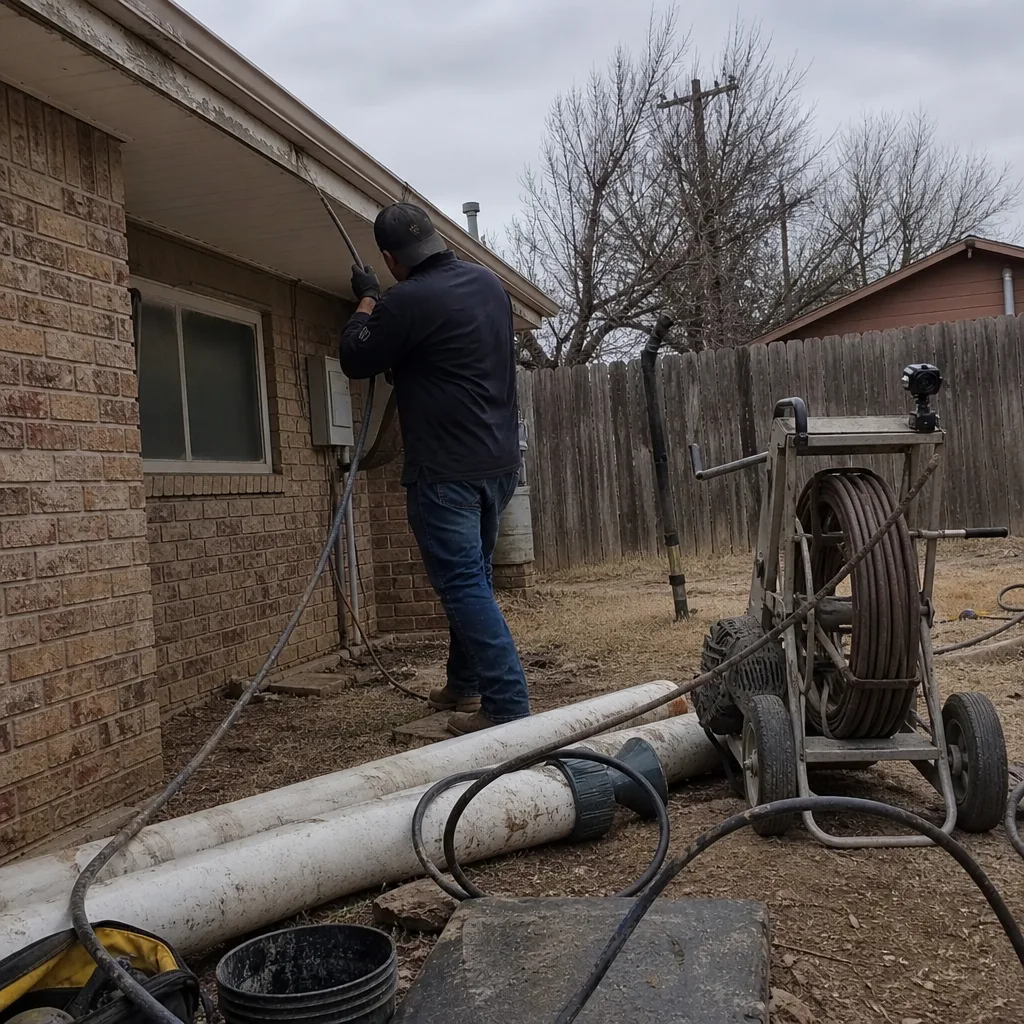 Before
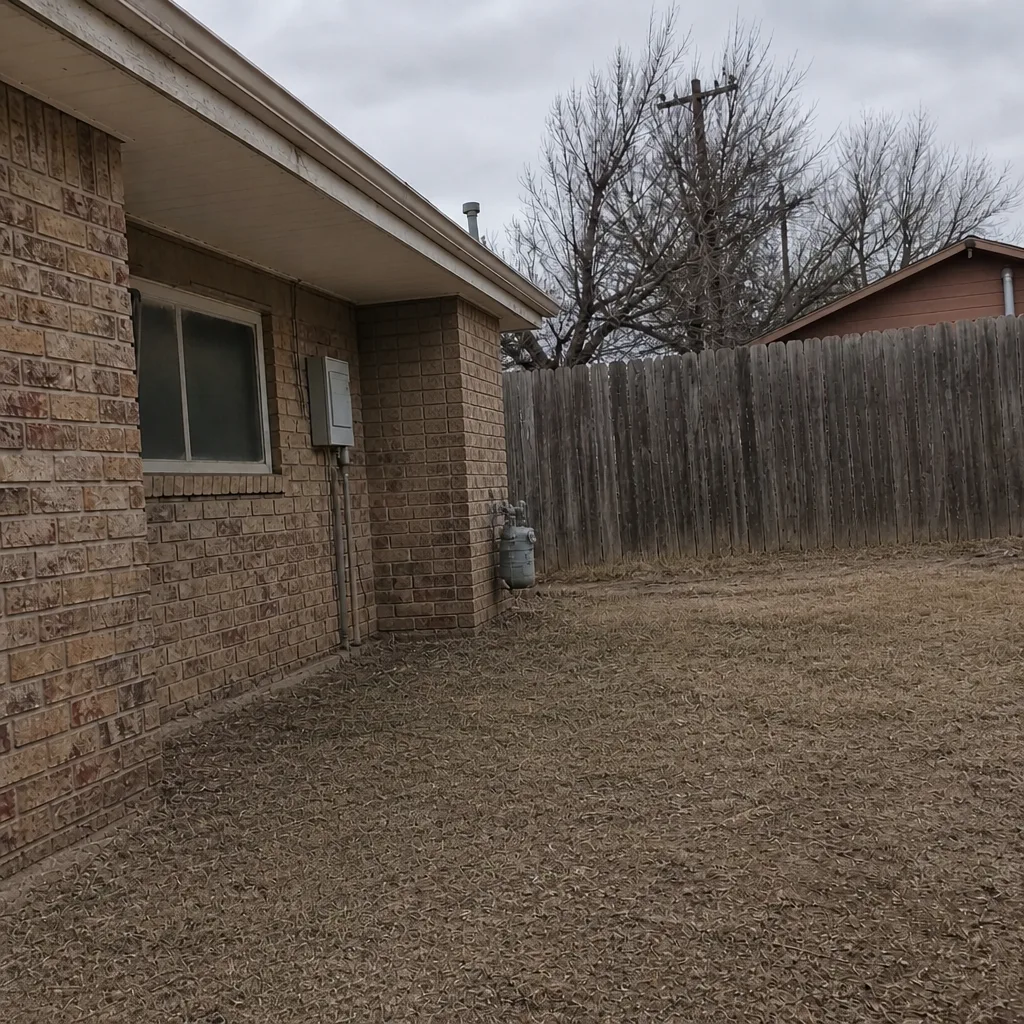 After
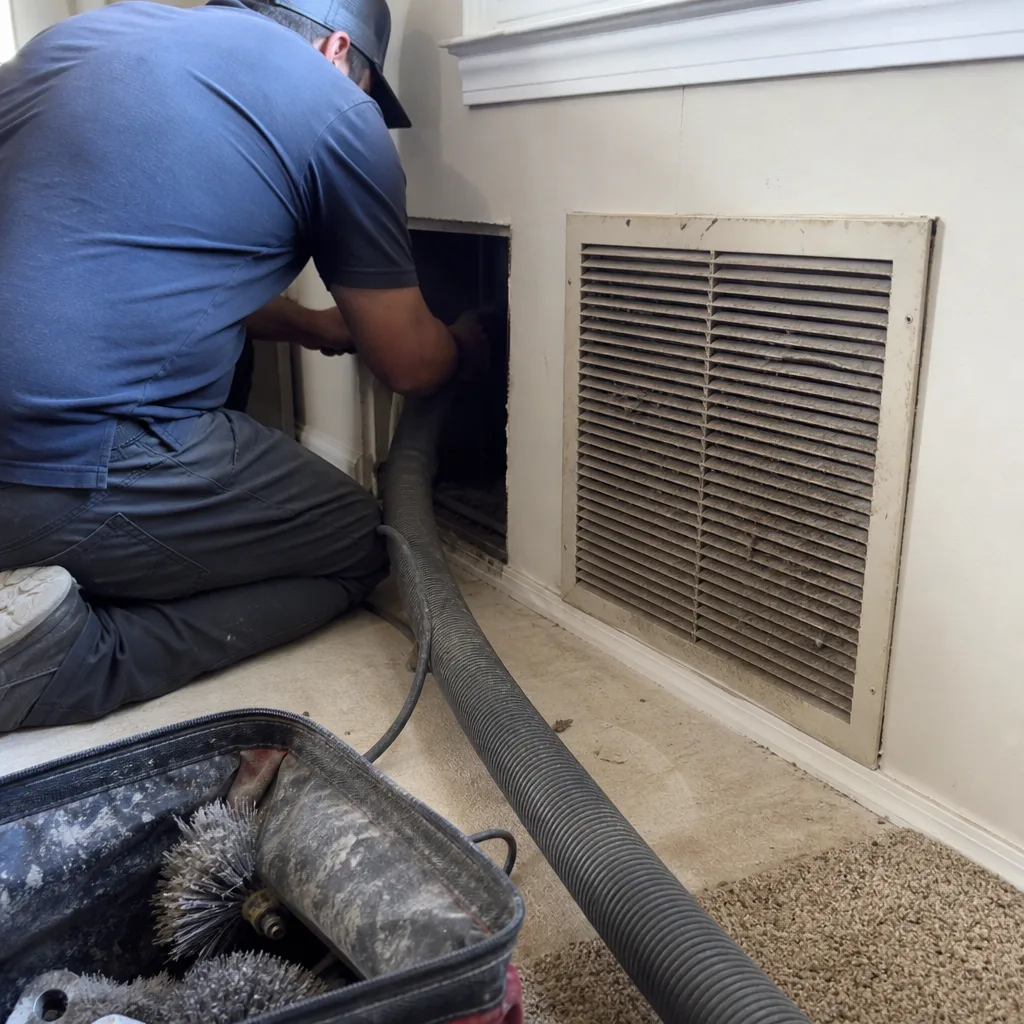 Before
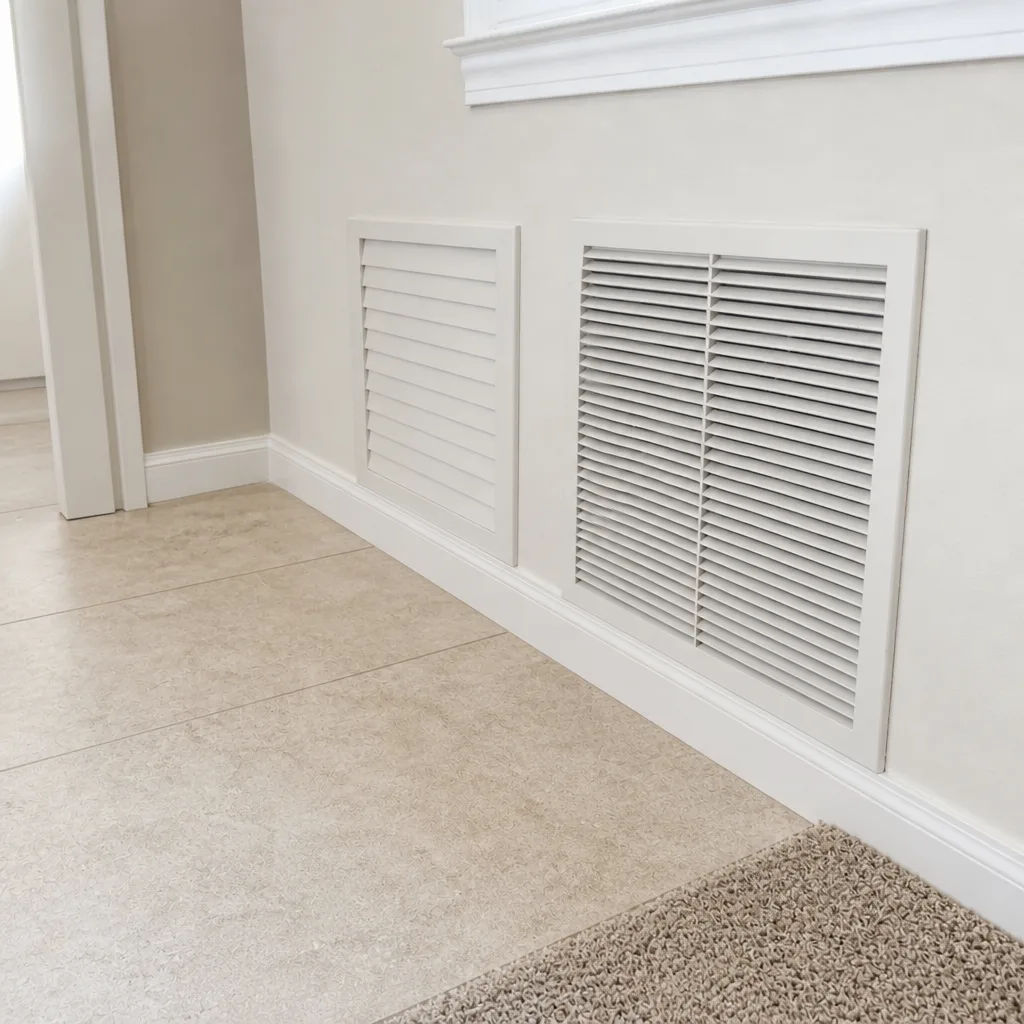 After
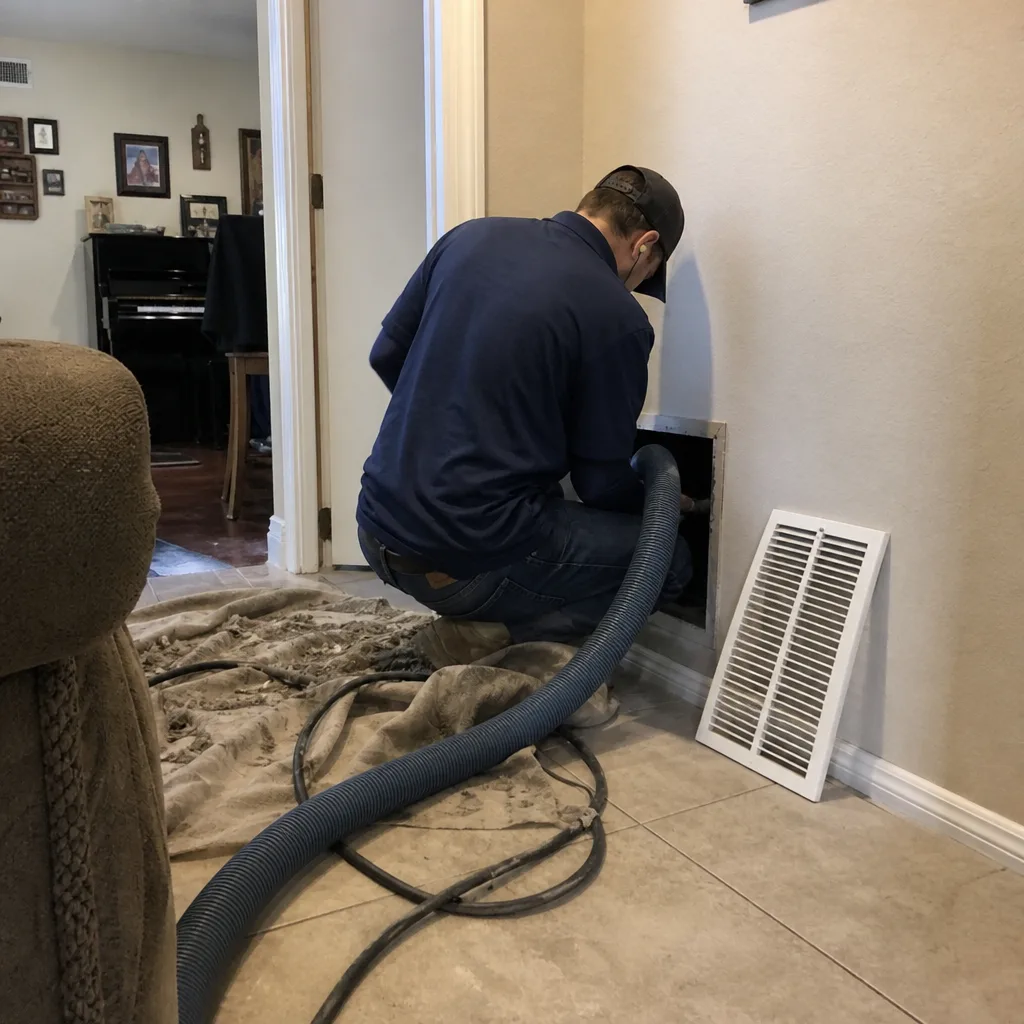 Before
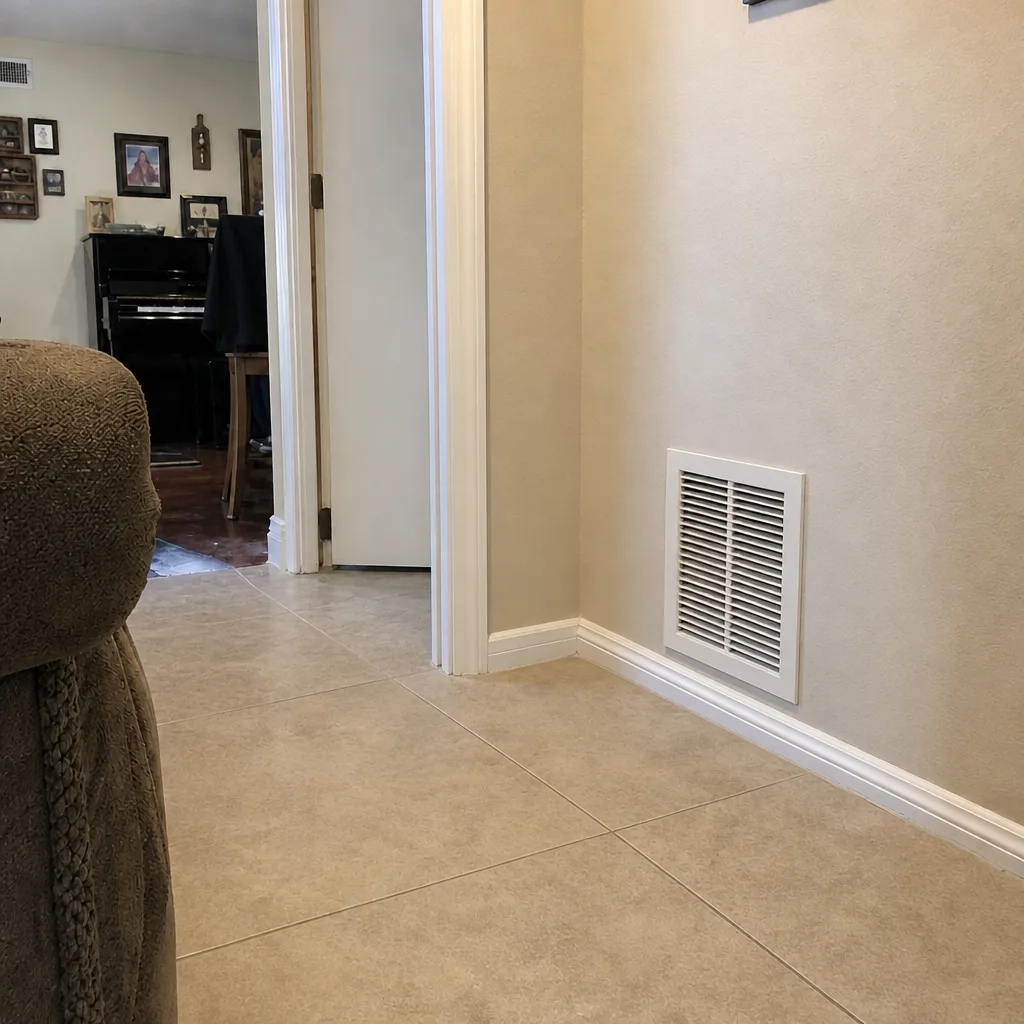 After
When to Call a Professional
Call a professional when you’re seeing signs that go beyond routine cleaning: visible dust blowing from supply registers, weak airflow at one or more rooms, a musty smell that returns shortly after cleaning, or visible mold around a register. Call before listing a home for sale if the HVAC system has been modified since the last documented inspection. Call after any renovation work that generated dust – sheetrock dust settles in ducts and stays there. And call if a previous cleaning company left you with an undocumented duct repair; we can help figure out what was done and what it means for future work.
Duct Cleaning Amarillo offers free estimates in Amarillo – call (866) 389-4505. We answer 24/7. Fast dispatch from 7am to 7pm, Sunday through Friday. Our technicians have up to 9 years of experience with Rotobrush and Nikro equipment, and when we find a structural problem during a cleaning, we document it, explain the permit question, and let you decide the next step. If a repair is needed, we can perform it as part of our dryer vent cleaning and duct repair scope – the point is that the paperwork stays honest.
Frequently Asked Questions
No. Routine air duct cleaning in Amarillo doesn’t require a permit, because cleaning doesn’t alter the mechanical system. Permits apply only when ductwork is modified, replaced, or rerouted. If a technician discovers a collapsed run or disconnected joint during cleaning and offers to fix it, ask whether a mechanical permit is being pulled before work begins. Call (866) 389-4505 for an exact quote – estimates are free.
Any repair that changes duct material, sizing, or configuration needs a mechanical permit in Amarillo. That includes replacing a duct run, adding a new supply or return, rerouting ductwork, reconnecting a disconnected run, or changing duct material. Small sealing repairs with mastic or approved tape may not require a permit, but the judgment should come from Development Services, not the technician’s opinion on site. Call (866) 389-4505 to talk through your specific situation.
Turnaround varies with the workload at Amarillo Development Services, so there’s no fixed answer. Most mechanical permit applications for duct modifications are reviewed in a matter of days, but larger scopes or busy periods can extend that timeline. Ask your contractor what turnaround they’re quoting you, and expect a permit that gets pulled, inspected, and closed out rather than one that disappears into a pile.
Mold remediation inside ductwork in Texas requires a contractor licensed by the Texas Department of State Health Services for remediation, and assessment is separately licensed. A duct cleaning company that isn’t licensed can identify a possible mold problem but shouldn’t perform the remediation work. Ask for the DSHS license before work starts, and don’t accept “we can take care of it” as an answer without paperwork.
Home inspectors look for disconnected flex runs, crushed or sagging ducts, torn insulation, weak airflow at registers, improper sealant, and duct tape used as a permanent seal. Any flagged issue becomes a negotiation point, and an undocumented recent repair usually triggers a request for permit records. If you’re selling in Amarillo, a documented cleaning and inspection before listing can head off the surprise.
Yes. You have the right to request photos, a written scope of work, material specs, and – when a permit was required – the permit number and final inspection sign-off. A credible contractor provides these without prompting. If a company can’t produce this documentation after a modification, that’s a signal they either didn’t pull the permit or didn’t keep records, and either way you need to know before closing day. Call (866) 389-4505 for a free estimate if you’re not sure what was done.
The Bottom Line
Duct cleaning alone doesn’t require a permit in Amarillo, but duct repair does. The practical rule for homeowners: cleaning is maintenance, modification is mechanical work, and mechanical work requires a permit through Amarillo Development Services under the International Mechanical Code as adopted by Texas. Mold contamination inside ducts is a separate regulatory question entirely, governed by Texas DSHS licensing rules for assessment and remediation. Home inspectors flag visible duct issues and undocumented recent repairs during sales, which turns a shortcut into a stalled closing. Ask for documentation before work begins, get the permit question answered in advance, and don’t let a “we’ll just take care of it” offer become the paperwork problem nobody wants at closing. Call (866) 389-4505. We answer 24/7. Fast dispatch from 7am to 7pm, Sunday through Friday.
Written by the team at Duct Cleaning Amarillo.